



Why ergonomics matter for students
Students spend a remarkable number of hours hunched over laptops, textbooks, notes, and project materials. While a busy schedule makes efficiency essential, the long-term costs of poor posture can accumulate into neck and back pain, shoulders that ache after a study sprint, and wrist strain from unconsciously leaning toward a keyboard. Ergonomics is not about aesthetics alone; it is about sustaining comfort, reducing fatigue, and improving focus so that study time translates into real learning outcomes. When you design a study space that supports neutral alignment, you are investing in your health and your academic performance. A well-configured setup helps you stay alert, reduces the likelihood of repetitive strain injuries, and makes long study sessions—and even exam cram weeks—more manageable.
The Student Power Bundle: what it includes and why it’s built for students
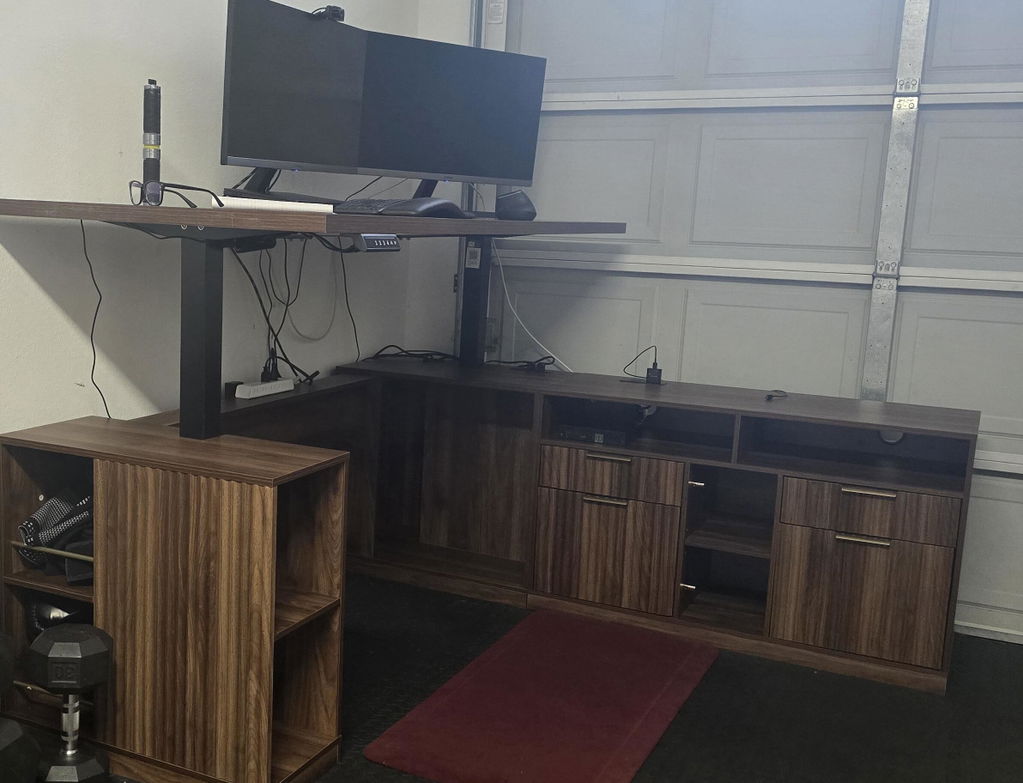
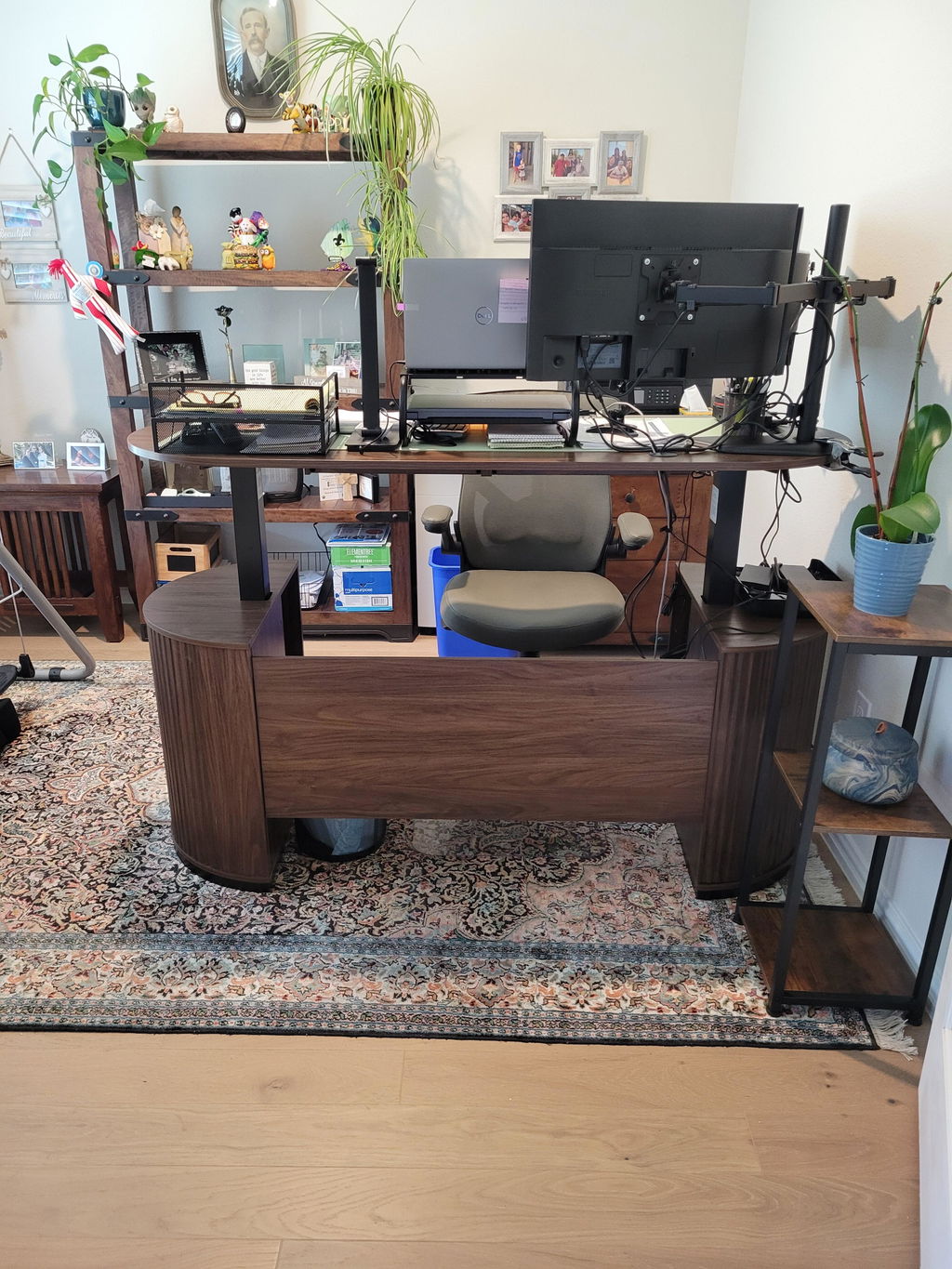
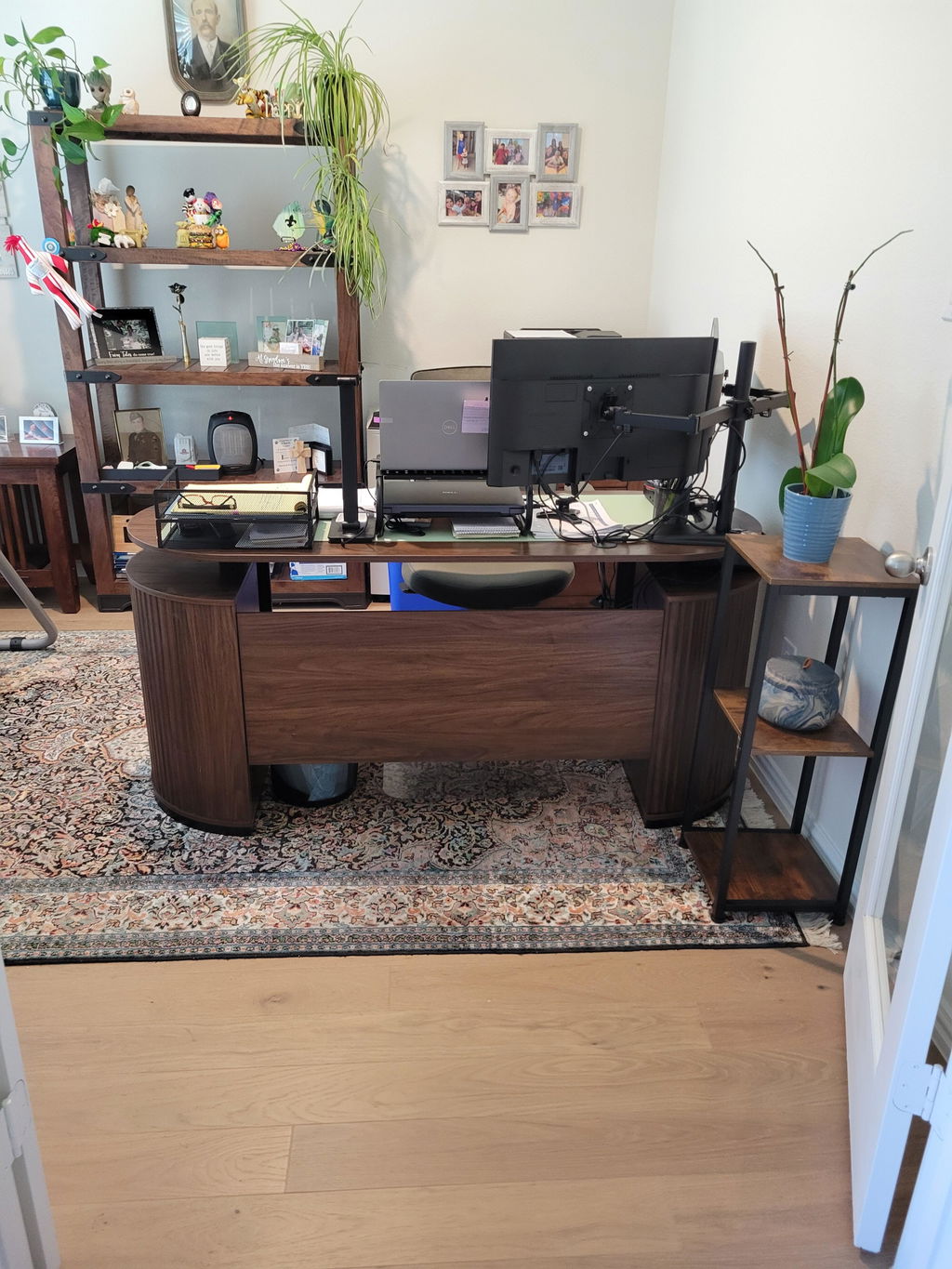
The HUANUO Student Power Bundle is crafted for students who need versatility as their routines shift between sitting and standing, screen-heavy analysis, and hands-on projects. The collection centers on four core ideas: adjustable height, screen ergonomics, seating comfort, and integrated work tools. The bundle includes a height-adjustable desk (HNESD22B) designed to let you alternate between sitting and standing quickly and with confidence. A keyboard tray helps align wrists, elbows, and shoulders to maintain a neutral posture while typing or using a mouse. For display flexibility, the dual monitor mount (HNCM7) supports two monitors up to 30 inches each with a per-arm load capacity of 22 pounds and compatibility with VESA patterns of 75x75mm or 100x100mm, enabling a broad range of screens to be mounted securely. A customizable high-back chair (HNOC11) provides a 2D headrest, a reclining backrest range of 90°–135°, adjustable armrests (about 3.15 inches in height), and seat height adjustability (around 3.2 inches). Finally, a height-adjustable component (HNFR3) offers three fixed positions to fine-tune upright posture and leg clearance. This combination ensures you can tailor the setup to your height and preferences as you progress through school years.
Desk and keyboard integration
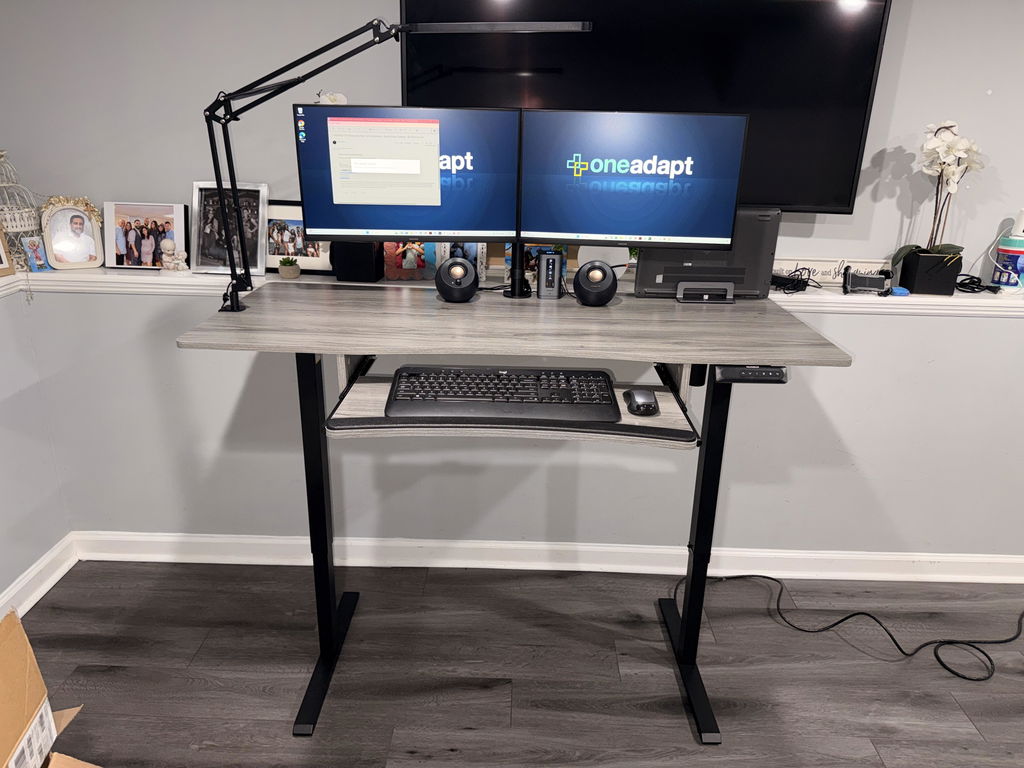
Having a keyboard tray is especially helpful for keeping wrists straight and shoulders relaxed. A well-positioned tray eliminates the awkward reach to a laptop or external keyboard, reducing tension in the forearms and upper back. The height-adjustable desk means you can create comfortable sit/stand rhythms that suit you throughout the day or in response to class schedules. When used effectively, the tray further reduces shoulder elevation and helps you type with your wrists in a neutral alignment.
Monitor setup and alignment
Dual monitor mounts are a major advantage for students who juggle reference materials, notes, and application windows. The HNCM7 arms are designed to hold two monitors up to 30 inches each, with a maximum load capacity of 22 pounds per arm. The VESA mounting compatibility (75x75mm or 100x100mm) ensures a broad range of screens will fit. Proper monitor alignment reduces neck twisting and eye strain by keeping the top of the screen at or slightly below eye level and at a comfortable distance—generally about an arm’s length away. If you frequently reference multiple sources, this setup lets you keep essential information visible while you draft and code on the primary screen.
Seating that supports long sessions
The adjustable chair in the bundle offers a high-back design with a 2D headrest for neck support. A reclining backrest range from 90° to 135° helps you change postures when focusing on different tasks, while the 3.15-inch armrest height adjustment and the 3.2-inch seat height adjustment enable precise fit for different body types. For students with varying heights—from 5'1" to 6'3"—this chair provides a robust range of fit and comfort. A supportive chair makes the difference between a comfortable 90-minute reads-and-notes block and a restless two-hour stretch where posture slips and focus diminishes.
How to set up your study station for comfort
Designing an ergonomic space begins with precise measurements and thoughtful arrangement. Here are actionable steps to help you translate the bundle’s features into a comfortable routine:
- Measure your seated elbow height when your arms rest at a comfortable 90-degree angle. This will guide both chair height and the desk's height in sitting mode, ensuring your wrists stay neutral and your shoulders relaxed.
- Set the desk height so that when you sit, your forearms are parallel to the floor, with the elbows close to your body. If you plan to alternate between sitting and standing, choose a standing height that keeps the monitor at roughly eye level and your wrists in a neutral position when using the keyboard and mouse.
- Position the dual monitors so the tops are at or slightly below eye level and at roughly an arm’s length away. Keep the primary monitor directly in front of you; place the secondary monitor to one side at a similar distance or use a rotation to face it when needed.
- Align the keyboard tray with the desk edge so your wrists float above the tray with a natural curve. Your elbows should stay near your torso and your shoulders should not creep upward.
- Use the chair’s headrest and backrest to support your spine. Adjust the backrest angle to a comfortable position within the 90°–135° range; keep your feet flat on the floor or on a footrest if needed to maintain knee angle around 90°.
- Incorporate short movement breaks every 30–60 minutes. Stand up, stretch, and reset your posture to maintain blood flow and keep muscles loose.
Tip: If you share a dorm room or small apartment, you can optimize space by keeping monitors on a fixed stand and leaving the desk surface clear for writing tasks. The adjustable features of the bundle let you tailor the setup to different activities without sacrificing organization or comfort.
After you have established baselines, test a typical study session. Adjust height and angle if you notice fatigue in the neck, shoulders, or wrists. The goal is to maintain neutral postures throughout the day, not to force rigid angles that cause discomfort later. Ergonomics is a dynamic practice—small adjustments over time yield meaningful improvements in energy, accuracy, and mood during study blocks.
What matters when choosing a student-focused ergonomic bundle
When evaluating a setup like the HUANUO Student Power Bundle, consider the following criteria to ensure you get a system that will scale with your studies and living space:
- Compatibility and mounting standards: Dual monitor arms require compatible VESA patterns (75x75mm or 100x100mm) and adequate weight capacity. The bundle described supports two monitors up to 30 inches in size and up to 22 pounds per arm, which covers many common displays used by students.
- Flexibility and adjustability: A height-adjustable desk paired with an adjustable chair and reclining backrest offers a broad range of postures. The 2D headrest on the chair provides additional neck support, while the armrests and seat height adjustments enable precise fit for different body types.
- Ergonomic alignment: The combination of a keyboard tray and correct desk height reduces wrist extension and shoulder strain, while monitor height and distance support visual comfort and neck health.
- Space and footprint: In compact spaces, a setup should maximize usable surface without crowding the room. The bundle’s components are designed to fit typical dorm layouts and small home offices when arranged thoughtfully.
- Durability and warranty: Students need reliable gear that can withstand daily use and occasional travel between rooms or campuses.
- Budget and future-proofing: A bundle can be more cost-effective than buying components separately, especially when it provides adjustable features that accommodate future devices or study preferences.
In practice, a well-chosen ergonomic bundle supports consistent study routines, reduces fatigue, and helps you maintain posture during long sessions. The ability to adjust height, monitor arrangement, and seating fit means you can adapt as courses demand more writing, coding, or design work, rather than forcing your body to conform to a static setup.
Maintenance, care, and longevity of your ergonomic setup
To ensure your ergonomic investment continues to deliver support, follow a simple ongoing care routine. Regularly check fasteners and joints on the desk, chair, and monitor arms. Lubricate any moving parts that show stiffness and confirm you are within the weight ratings of the monitor arms. Clean the surfaces to prevent grime from interfering with adjustable mechanisms. If you move to a different living arrangement or adjust your study style, revisit the height and angle settings to maintain a neutral posture and a comfortable work experience.
With a thoughtful configuration and a willingness to adapt, you can maintain an ergonomic, efficient, and supportive study area for the entire school year and beyond. The Student Power Bundle is a comprehensive starting point that can grow with you as your coursework evolves, helping you stay aligned with your health goals while you maximize your academic performance.


Share:
Designing a Cohesive Home Office with a 70-Inch Desk and a 73-Inch Tall Fluted-Dark Walnut Bookshelf
How to Choose the 73-Inch Tall Bookshelf with a Charging Printer Cabinet for a Tidy Home Office