



How to Choose a Dual Monitor Stand for a Comfortable, Organized Desk Setup
Whether you work from a dedicated home office, a shared workspace, or a hybrid setup, two screens can dramatically boost productivity, focus, and multitasking capability. But to realize those benefits, you need a thoughtful approach to selecting a dual monitor stand that fits your desk, your monitors, and your workflow. A well-chosen stand not only positions both monitors at eye level but also helps manage cables, frees up desk space, and supports a healthier posture over long work sessions.
In this guide, we walk through the essential criteria for choosing a dual monitor stand, explain how the right design can reduce neck and shoulder strain, and take a closer look at a robust option designed to hold two monitors plus additional desk accessories. By the end, you’ll know what to look for and how to verify that a stand will integrate smoothly with your layout.
What matters when choosing a dual monitor stand
- Compatibility with your monitors: Check the weight rating and mounting pattern. A stand that supports up to 55 pounds per arm and accommodates two displays is suitable for a wide range of LCD or LED monitors. Confirm the VESA pattern (commonly 75x75 mm or 100x100 mm) and the maximum width and height range helps ensure both screens fit on the arms without crowding.
- Adjustability and reach: The ability to adjust height, tilt, and extension determines how easily you can align both monitors with your eyes and typical seating position. A stand with a broad length range, such as a minimum around 29 inches and a maximum around 40 inches, lets you position screens side-by-side while keeping your keyboard, notebook, and other essentials within reach.
- Ergonomics and posture: Raising the screen to eye level reduces neck flexion and supports a neutral spine. Some stands offer a vertical lift around several inches and tilt capabilities to fine-tune the line of sight as you work.
- Stability and build quality: A sturdy base or solid leg design prevents wobble, especially when you adjust height or angle. Weight capacity and the quality of joints influence long-term durability and safety for heavier displays.
- Desk organization and storage: Under-desk shelves, slots for tablets or phones, and integrated cable management help maintain a tidy workspace. If you frequently swap devices or keep accessories handy, built-in storage becomes a real time-saver.
- Installation and maintenance: Easy assembly, clear instructions, and minimal maintenance matter for a smooth setup. Some stands require leg assembly, which may affect the initial setup time but often yields a more stable foundation.
The MDF Material Dual Monitor Stand: a robust, space-saving choice
One standout option in the dual-monitor category emphasizes capacity, adjustability, and desk organization. The MDF Material Dual Monitor Stand is designed to hold two monitors and offers notable features that align with the criteria above. It supports two monitors with a high load capacity, making it suitable for larger or heavier displays. A key design element is its adjustable length, enabling the stand to span different desk widths—from a compact setup to a broader, multi-monitor arrangement. The length can be adjusted from a minimum around 29.13 inches to a maximum of about 40.9 inches. This flexibility helps you optimize screen alignment and keep the primary keyboard area comfortable.
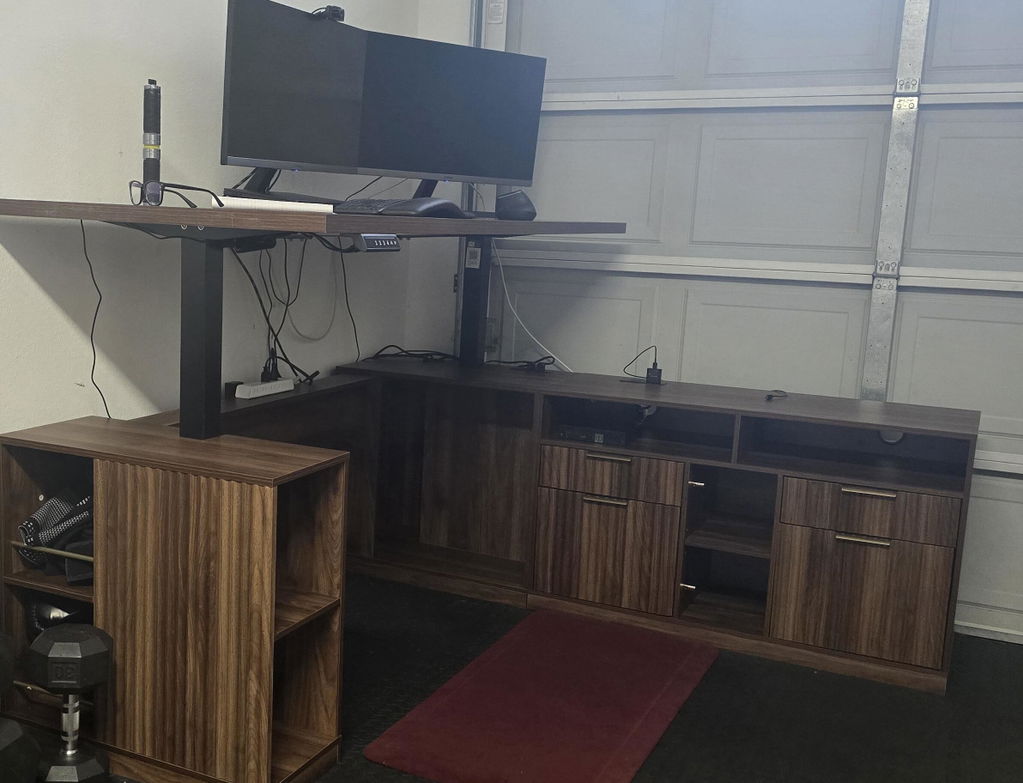
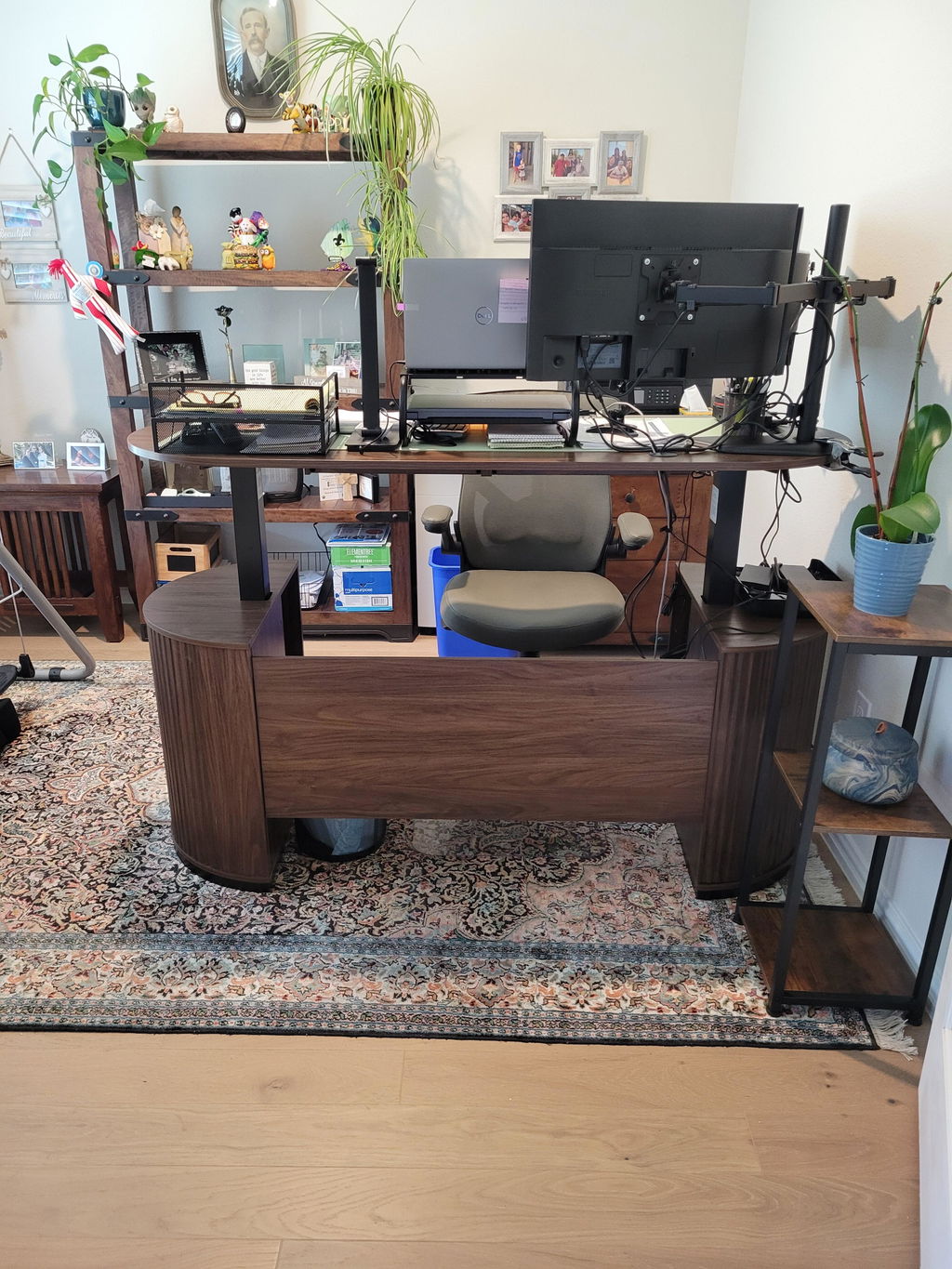
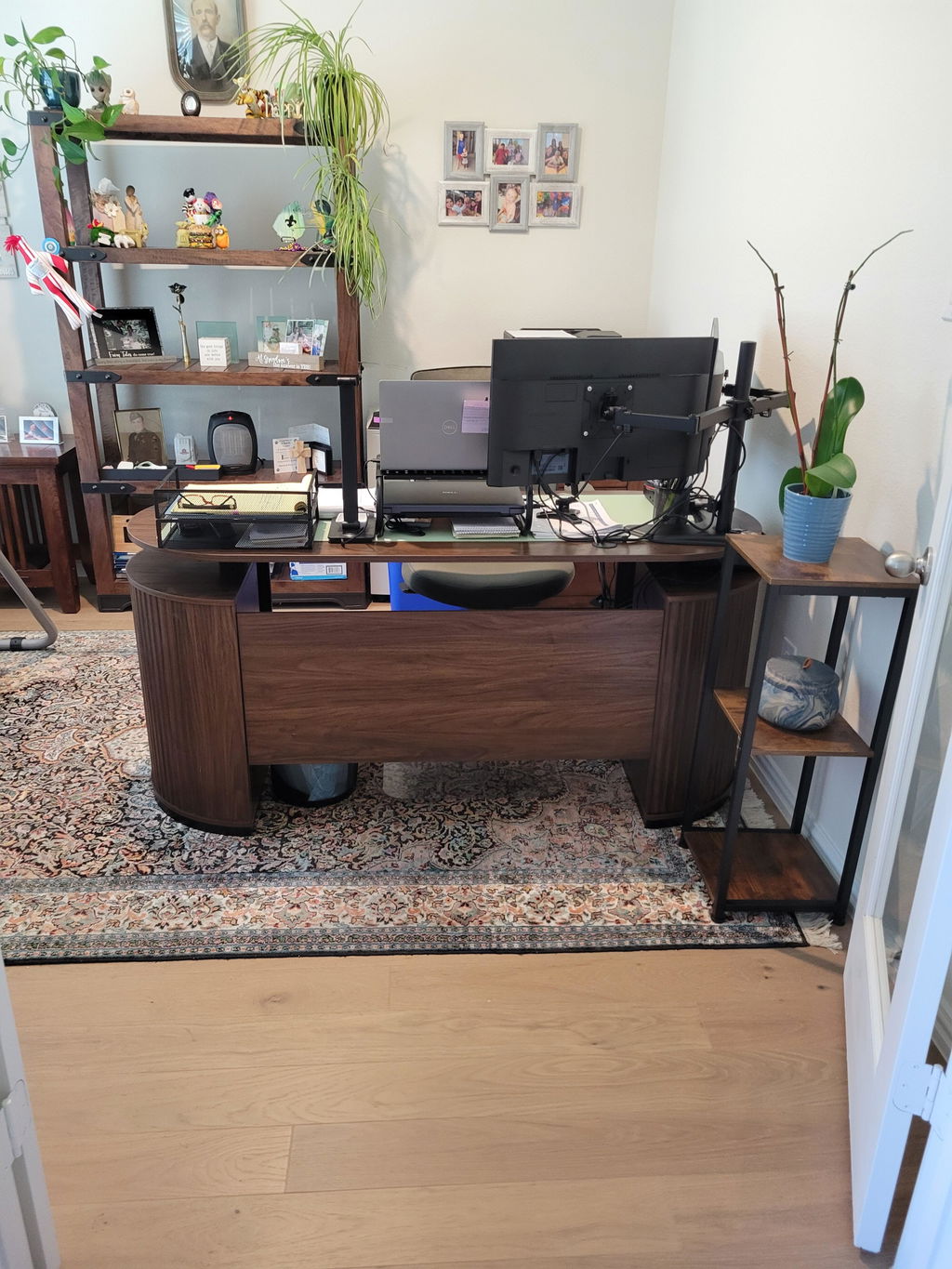
The ergonomic profile of this stand includes raising the monitor height by about 3.9 inches, which helps maintain a healthy neck and shoulder posture during long workdays. The elevated riser also contributes to better air circulation behind the screens and can reduce glare from overhead lighting if positioned thoughtfully. Additionally, the MDF stand acts as a desk organizer by lifting the monitors off the desk surface and providing three storage spaces underneath for office supplies, such as keyboards, notebooks, calculators, and smaller accessories. This combination of monitor support and storage can significantly reduce desk clutter, creating a cleaner, more focused work environment.
Specifics like base type, assembly requirements, and weight capacity further influence suitability for your setup. The stand features leg-based support and notes that leg assembly is required in some configurations, which means a more modular, stable foundation once assembled. With a maximum load of 55 pounds, the stand is capable of supporting most standard office monitors while leaving room for a second device or a compact docking setup. For desk users who want to consolidate devices and accessories within a tidy footprint, the MDF Material Dual Monitor Stand offers a comprehensive solution that blends ergonomic benefits with practical organization.
Putting it all together: a practical setup checklist
- Measure your monitor dimensions, especially width and weight, to confirm compatibility with the stand’s load rating and VESA compatibility.
- Assess your desk depth and overall workspace. Ensure there is sufficient clearance behind the monitors to allow for the full extension of the arms and to avoid contact with walls or other equipment.
- Plan the line of sight. Place the monitors at or slightly below eye level, with the top of the screens roughly at eye height when you’re seated. If you use a laptop occasionally, reserve space for a secondary keyboard and mouse.
- Arrange cabling thoughtfully. Use the stand’s cable channels or slots to route power and video cables neatly down to the desk or into a cable management hub.
- Decide how you’ll use the storage spaces. Think about frequently used office supplies or devices you can tuck under the desk area to reduce surface clutter while keeping them within reach.
- Install and test. Follow the provided assembly instructions, mount your monitors securely, and adjust height and tilt until both screens align with your ergonomic target. Periodically recheck screws and joints as you use the setup over time.
Conclusion
Choosing a dual monitor stand is a decision that affects your daily comfort, focus, and efficiency. By prioritizing monitor compatibility, broad adjustability, stable construction, and practical desk organization, you can create a workspace that supports longer work sessions without sacrificing accessibility. The MDF Material Dual Monitor Stand illustrates how a well-designed unit can deliver not only two clear display surfaces but also an integrated storage solution that helps keep your desk tidy. When evaluating options, model your setup around your actual screens, your desk depth, and your preferred posture—then test adjustability until you find the sweet spot where comfort and productivity meet.
"} } # end of tool input


Share:
Choosing the Right Home Office Chair: Insights from the Free-Sit Wide Corduroy Chair
How to Choose and Set Up a CM2 Laptop & Single Monitor Desk Mount for 13-32-Inch Screens