



Why standing desks are rising in popularity
Many professionals today are rethinking their work environments. The shift toward remote and hybrid work has highlighted the importance of movement, posture, and the ability to switch between tasks without leaving the desk. A standing desk can reduce sedentary time, promote better circulation, and provide more dynamic space for typing, sketching, and collaboration during virtual meetings. But not every desk is created equal, and choosing the right one requires weighing several practical factors against your specific space and routine.
In this guide, we will explore the key considerations for selecting a standing desk that supports long workdays, supports your posture, and fits comfortably in your room or dedicated office. We'll cover why height adjustability matters, how to assess stability, what surface area you need, and how to think about storage and connectivity so your desk can grow with you over time.
What to look for when selecting a standing desk
When evaluating options, start with fundamentals: height adjustability, stability, and desk surface area. From there, consider storage features, built‑in connectivity, and the overall footprint to ensure the desk matches your work style and space constraints. Below are the core dimensions of a robust setup you’ll likely need to account for during planning.
Height range, speed, and presets
A comfortable standing desk should offer a height range wide enough to accommodate your shortest and tallest positions. Look for a smooth lift with a reliable speed and quiet operation. Memory presets are a major convenience: they let you program a few preferred heights for different tasks or individuals sharing the same workstation, enabling seamless transitions with the press of a button.
Stability and construction
Stability is essential to avoid wobble when you lean in, type, or adjust the frame. Pay attention to the frame design (e.g., dual‑motor systems, cross supports) and to the overall weight capacity. A sturdy desk helps protect equipment, reduce noise, and encourage consistent ergonomic posture without constant readjustment.
Surface area, footprint, and storage
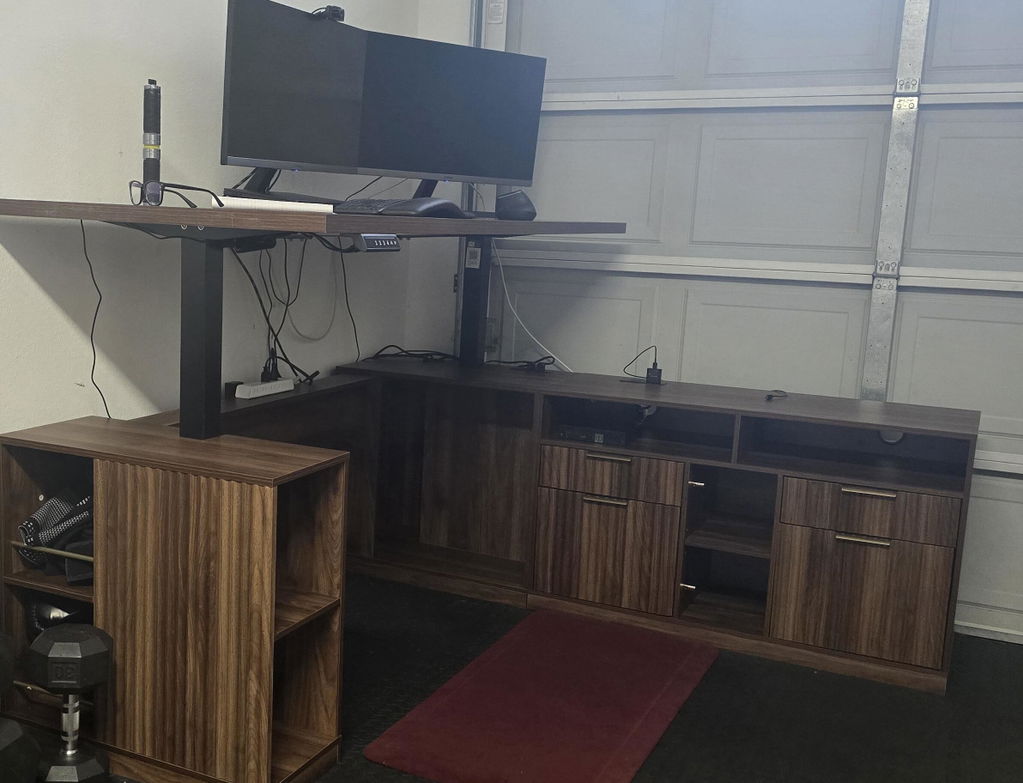
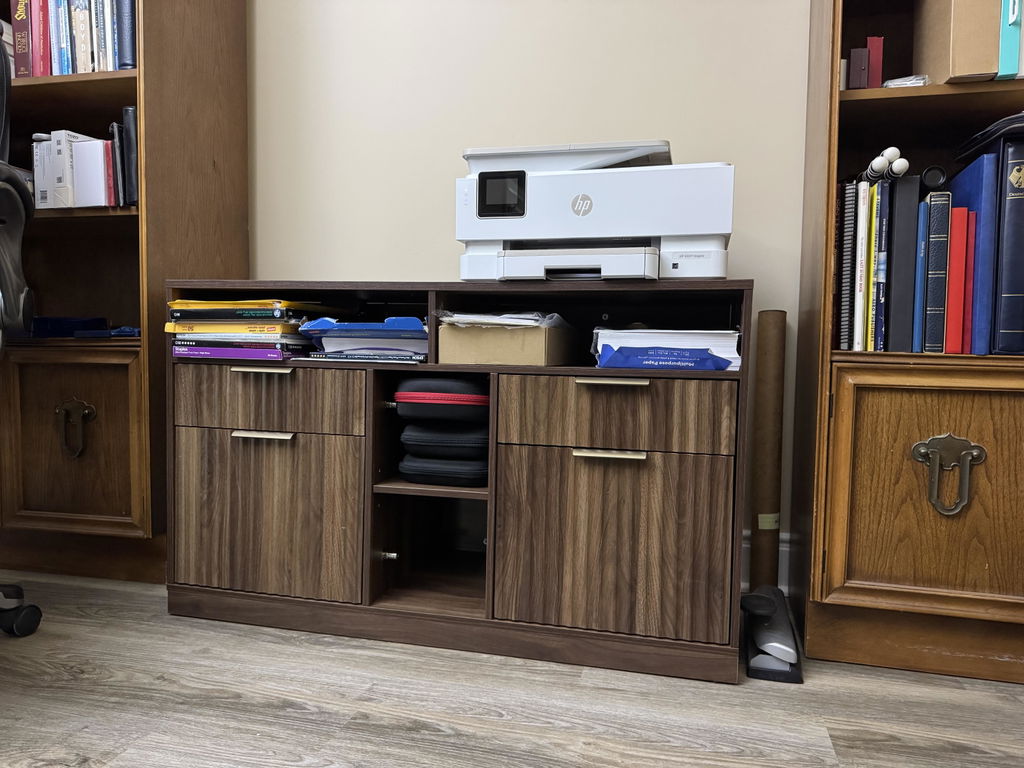
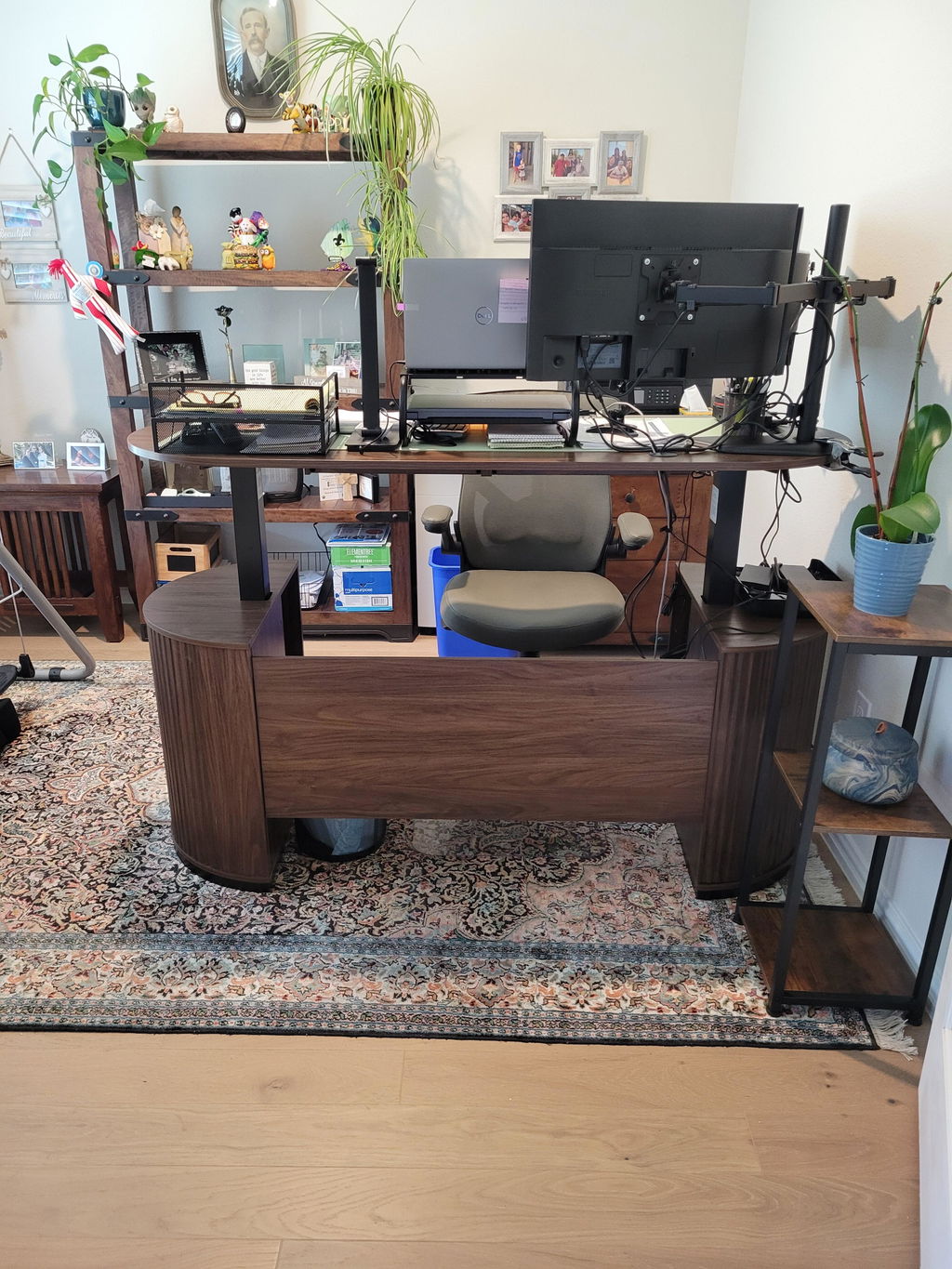
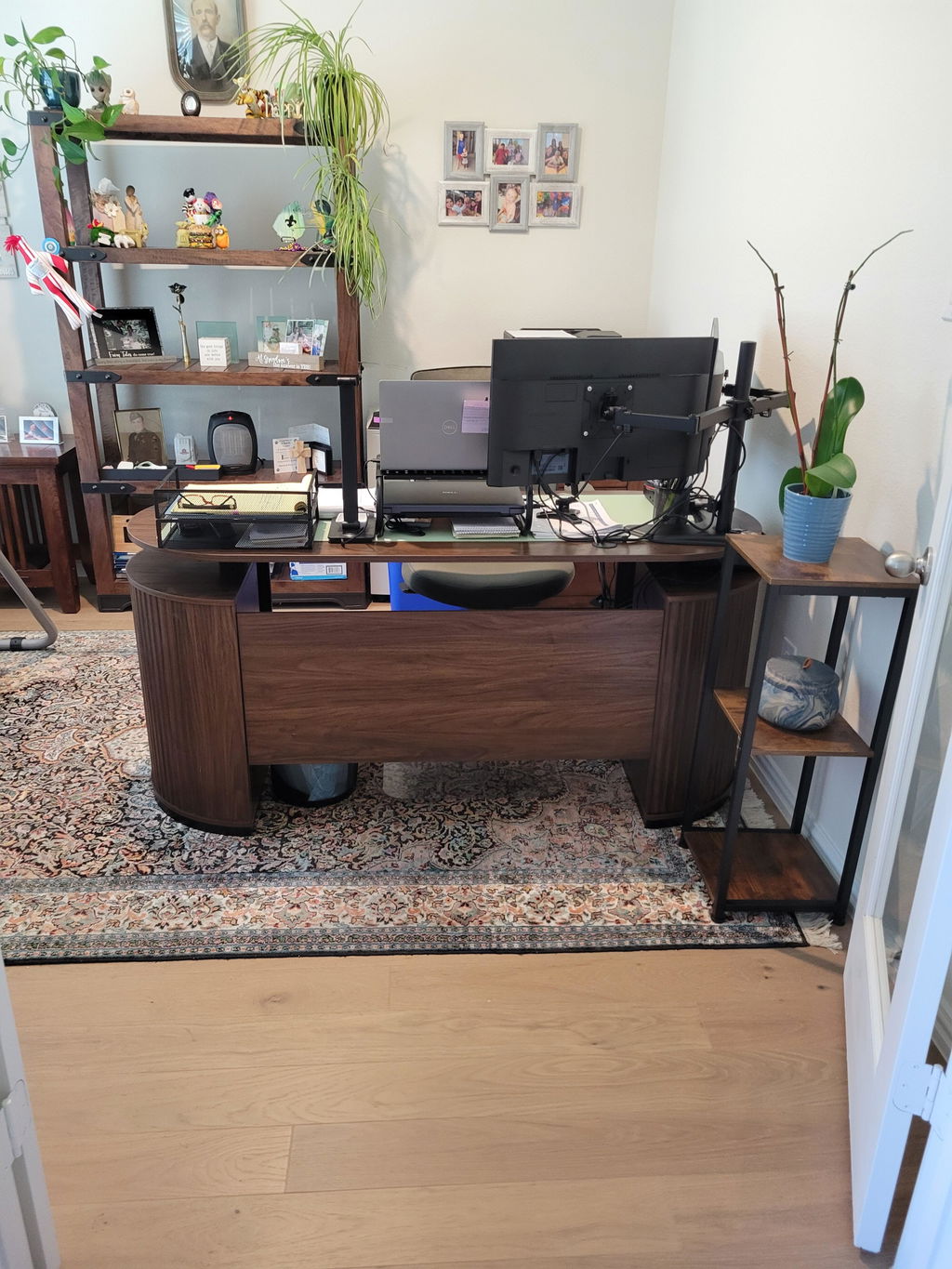
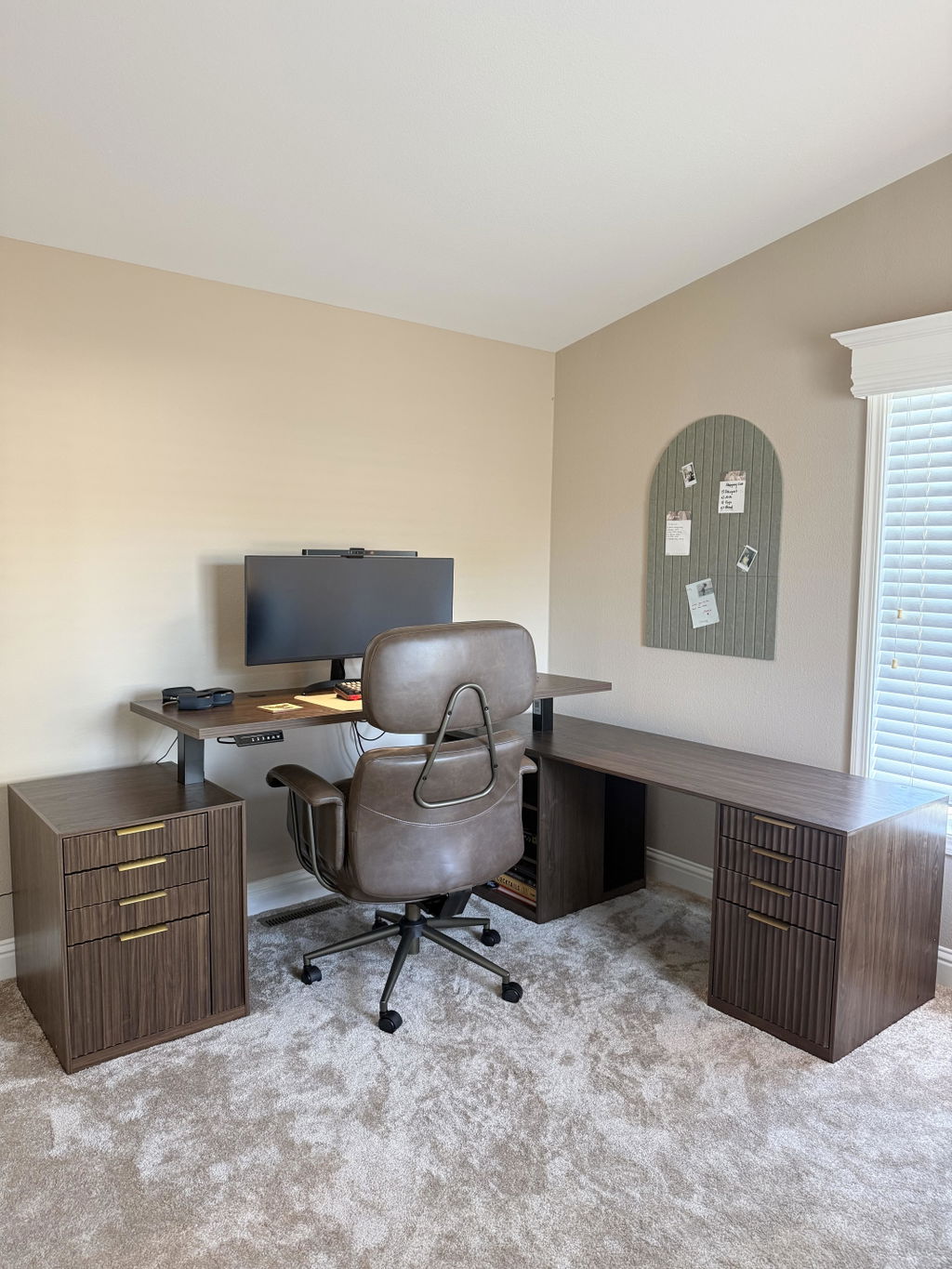
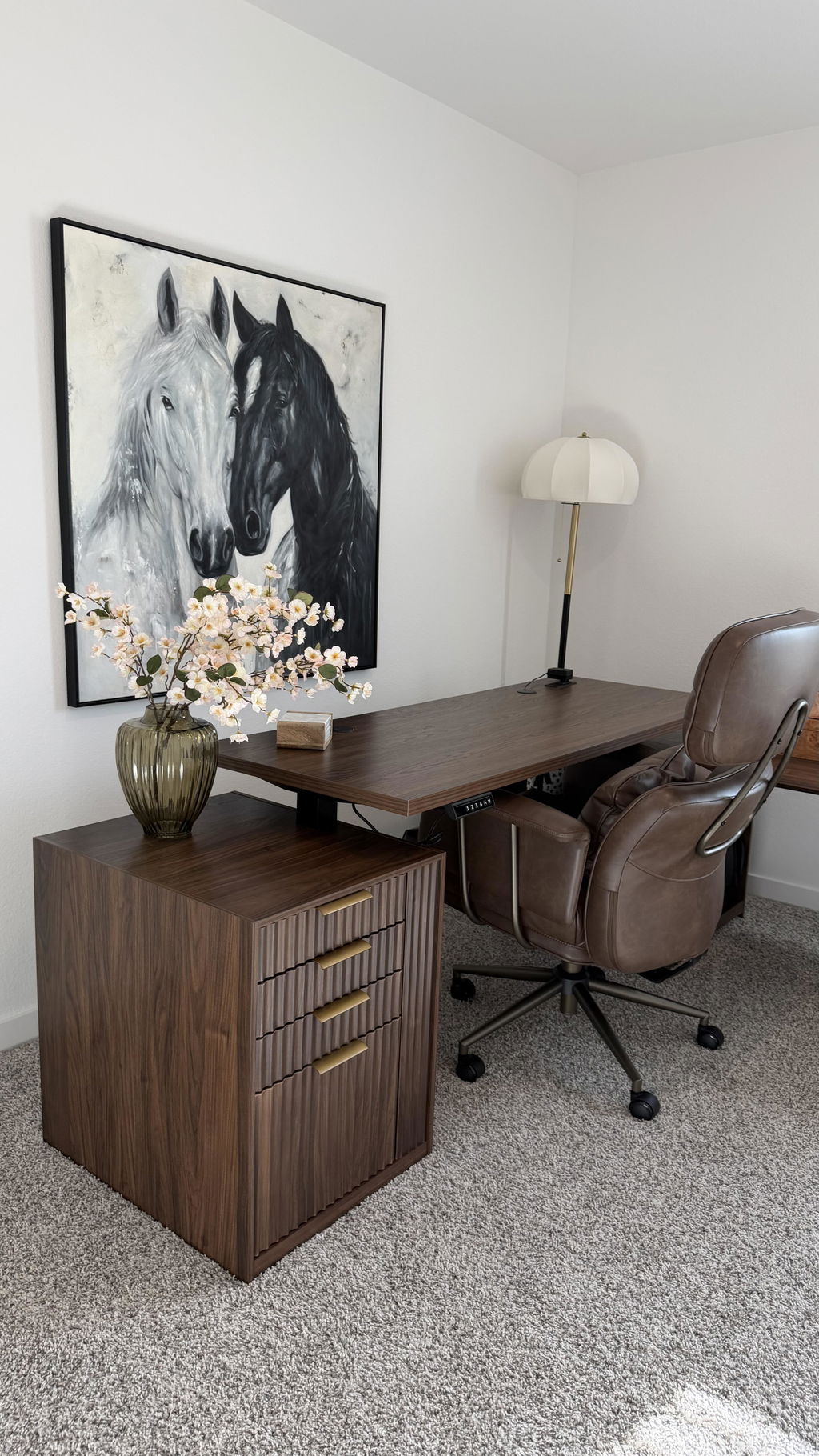
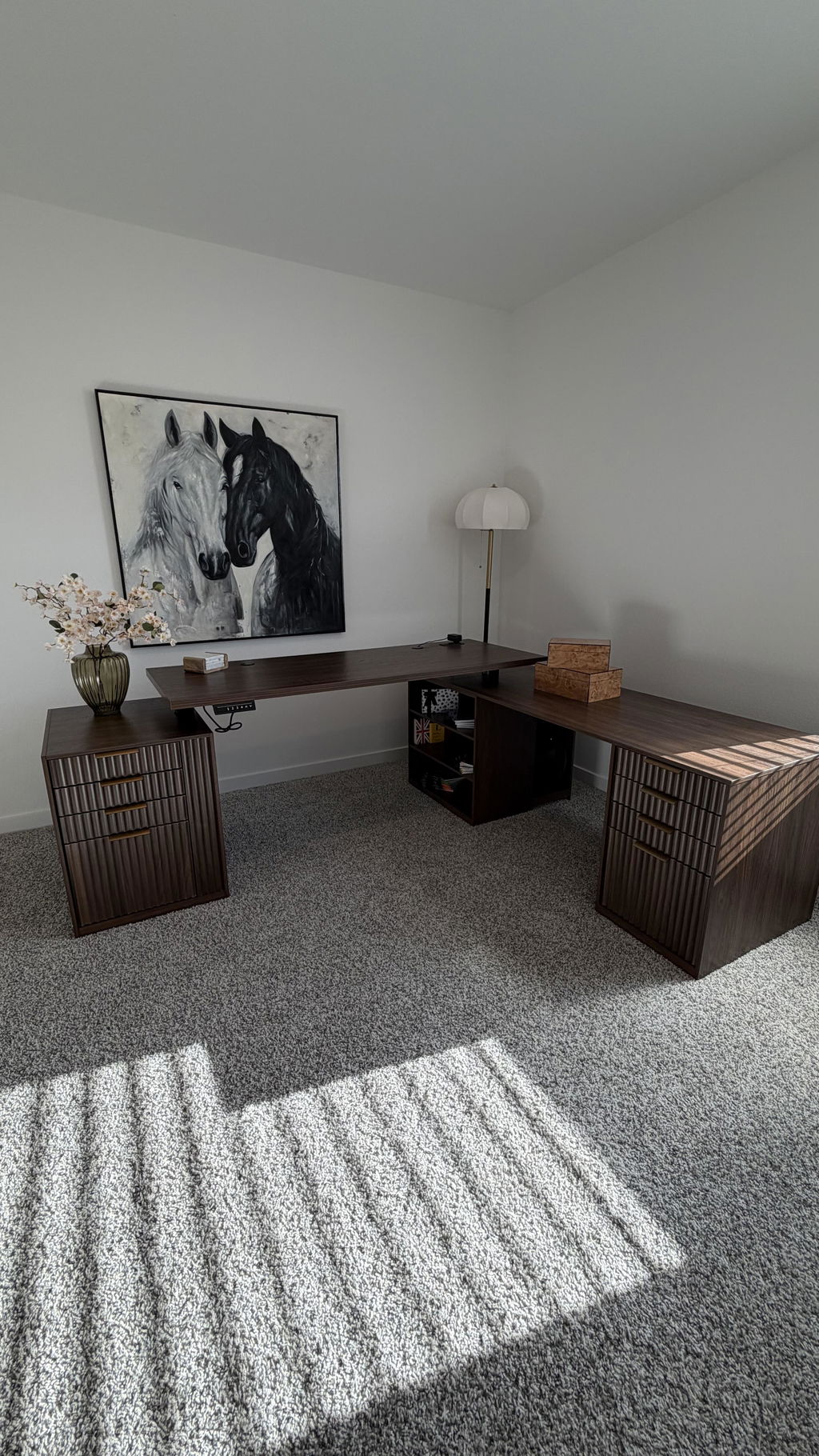
The desk surface should accommodate your monitor(s), keyboard, and any accessories without crowding. For larger spaces or shared setups, an L‑shaped or extended rectangular desk can offer better separation between tasks and can improve cable routing and reach. Storage options—such as drawers, cubbies, or a file cabinet with lock—help keep essential documents and supplies within reach while maintaining a clean surface. A well‑designed desk with integrated storage keeps your workflow organized and reduces desk clutter.
Consider also the integration of privacy features and cable management. A desk with a privacy panel can help minimize distractions in open spaces, while a thoughtful cable tray or grommets can keep cords hidden and organized, reducing the chance of tangling and accidental disconnection.
Ergonomics, layout, and workflow optimization
Ergonomics is about more than standing vs. sitting. It’s about the relationship between your chair, desk height, monitor position, and keyboard reach. To optimize for comfort and productivity, aim for a monitor height where your eyes are level with the top third of your screen and an arm's length distance for seated work. When standing, a slight knee bend and relaxed shoulders help prevent fatigue. The keyboard and mouse should be positioned to keep wrists straight and forearms parallel to the floor.
In practice, this means adjusting the desk to a height where your elbows form about a 90-degree angle, and ensuring your monitor is at eye level. If you share your workspace or frequently switch between tasks, memory presets and easy transitions can be a big advantage. A spacious surface can also support active work styles like sketching, note‑taking, or placing reference documents alongside digital screens.
Electrical features, cable management, and safety
Built‑in power features—such as AC outlets or USB ports—simplify charging and reduce desk clutter. When planning connectivity, think about surge protection, cable routing, and the accessibility of ports for your devices. A desk that partners with your workflow should make it easy to plug in a monitor, laptop, charger, or a dash of accessories without creating a tangled jungle under the desk.
Safety is also important: verify if the desk has soft‑start/stop mechanisms to protect your hands, anti‑collision sensors if you have pets or children nearby, and a stable locking mechanism for any drawers or cabinets you rely on for secure storage.
Putting it all together: designing your perfect setup
With the fundamentals in mind, it’s time to sketch a layout that reflects your typical work patterns. Start by measuring your room or office corner, then map where you want the desk to sit in relation to windows, doors, and electrical outlets. Visualize how you’ll route cables from the desk to the wall or to a surge protector placed on the floor behind the desk. If you frequently collaborate with teammates over video calls, consider the angle of your screen and the amount of desk surface required for document sharing or quick sketches.
For larger spaces or shared offices, an L‑shaped desk can help delineate zones for different tasks—one side dedicated to computer work and the other to whiteboarding or paperwork. Think about whether you want integrated storage on the desk itself, such as a file cabinet with a lock and cubbies for organization, or whether you prefer separate storage solutions nearby. Whatever you choose, aim for a setup that encourages movement, reduces strain, and supports focus during deep work sessions.

As you evaluate options, compare not only price but also the long‑term value: sturdiness, warranty, noise level during operation, ease of assembly, and how well the design adapts to your changing needs. A desk with flexible height settings, durable materials, and practical storage can be a long‑term partner in your home office, reducing clutter and making it easier to maintain a healthy work rhythm.
Transitioning to a standing routine and maintenance tips
Switching to standing work gradually helps your body adapt. Start with short intervals—perhaps 15–30 minutes at a time—then gradually increase as your legs and back become more comfortable. Pair standing periods with active micro‑movements, such as foot shifts, leg stretches, or a quick walk around the room between tasks. Hydration and proper footwear also play a role in staying energized and comfortable throughout the day.
Regular maintenance keeps a standing desk performing well. Check bolts and cross‑connections periodically, verify that the lifting mechanism runs smoothly, and listen for any unusual noises that could indicate wear. If a desk features a motorized height adjustment, keep the surface clean and free of debris that might impede movement. For any integrated storage solutions, ensure locks function properly and that shelves are not overloaded beyond their weight limits.
Conclusion: choosing with intention
Selecting a standing desk is ultimately about aligning ergonomic needs with space constraints and daily workflows. A strong desk should offer generous height adjustability, stable construction, and intuitive features that support your tasks without becoming a source of distraction. When evaluating options, consider how the desk integrates with your electrical setup, how easy it is to maintain, and whether it can accommodate future changes in your work style or workspace. A well‑chosen standing desk is not just a piece of furniture—it is a facilitator of healthier habits and more focused, productive days.


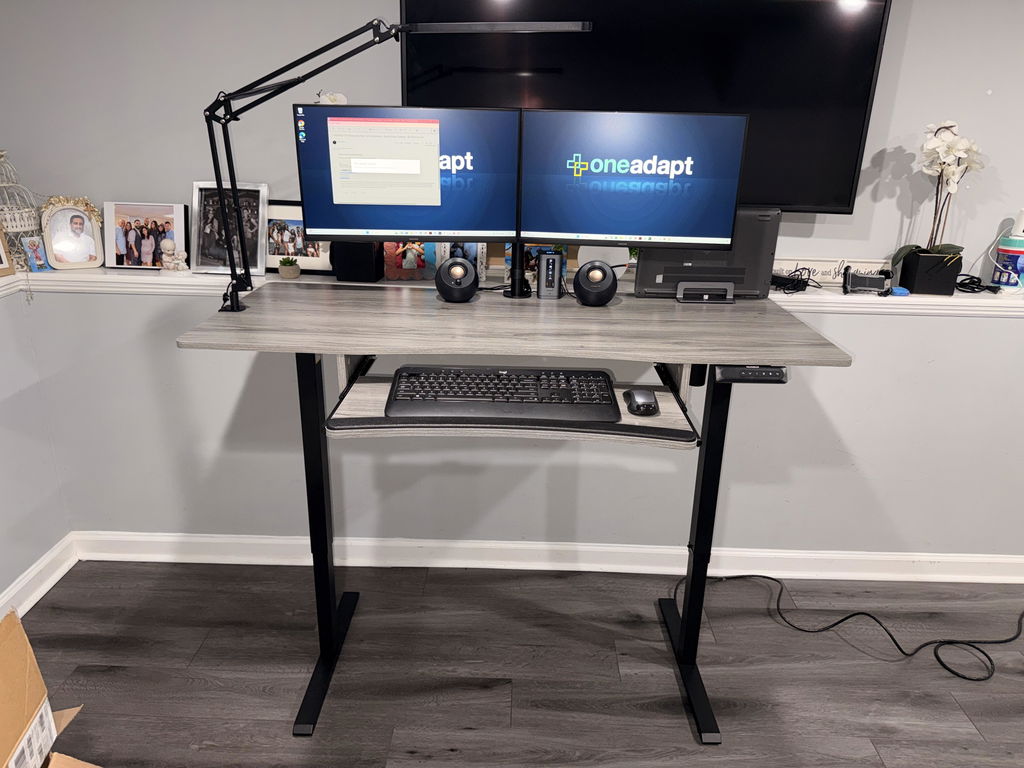
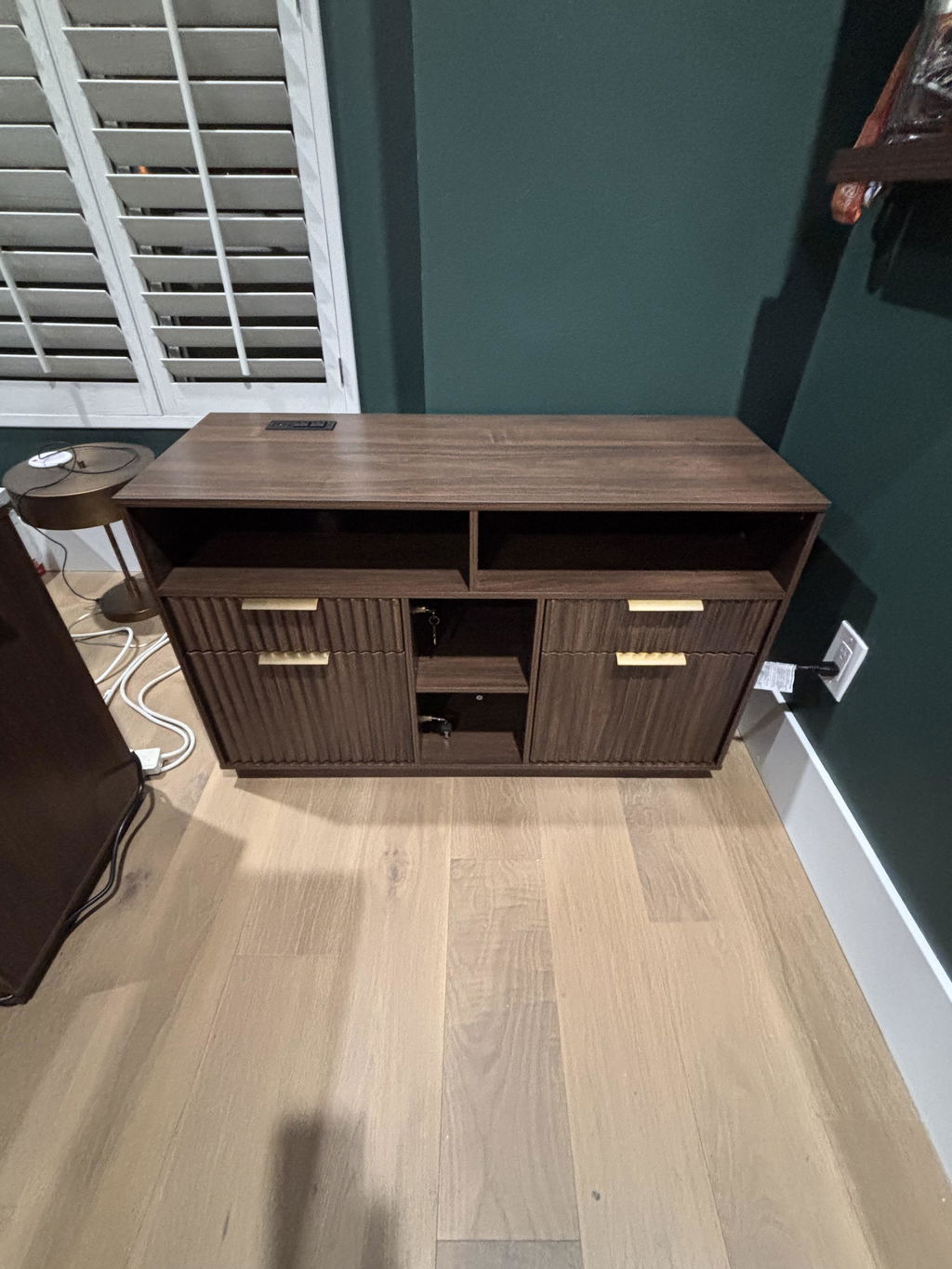
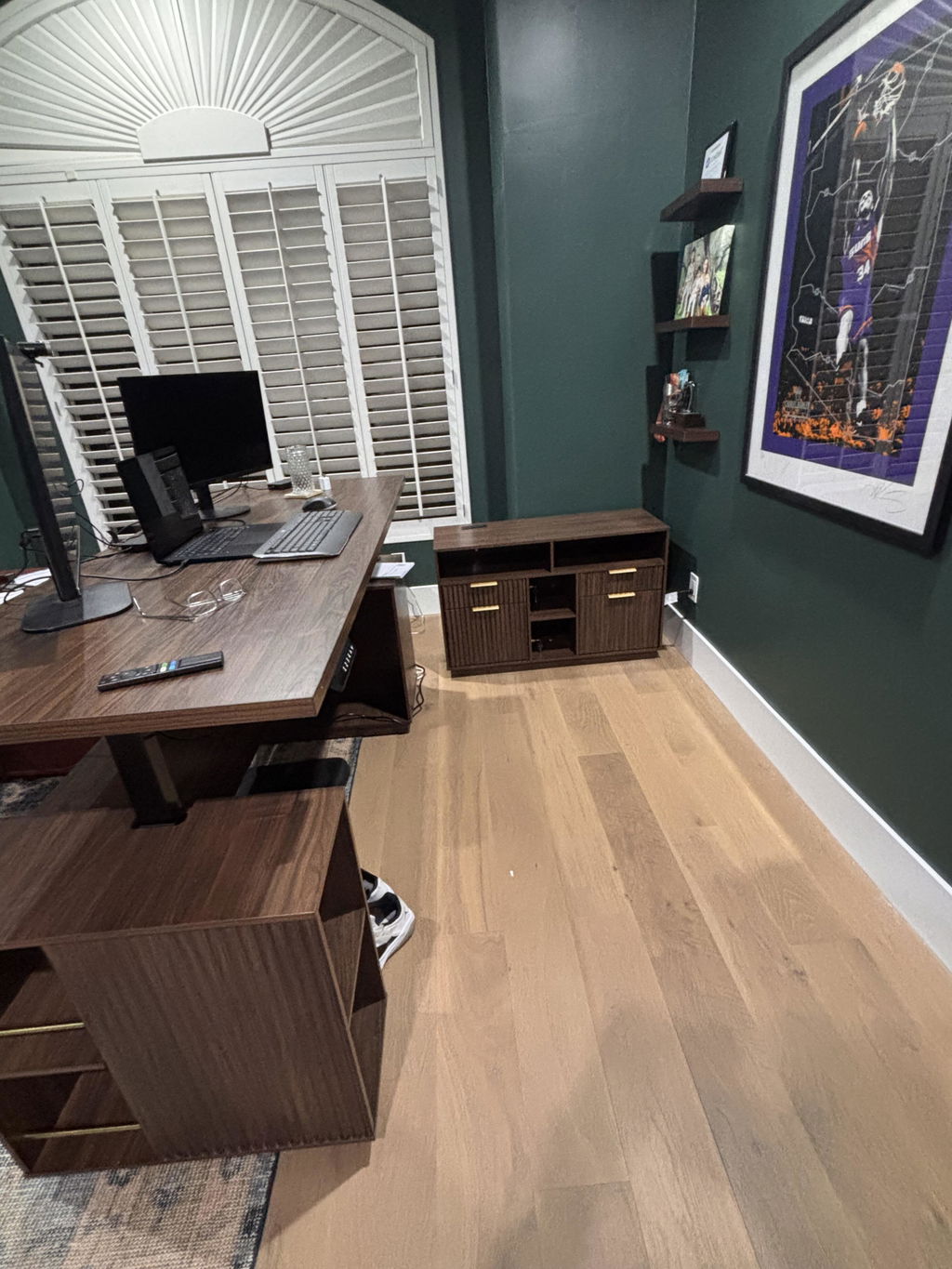
Share:
Choosing the Right Standing Desk for a Multi-Tasking Home Office: A Deep Dive into the 81.7-126.2 Premium Cadre Standing Desk by HUANUO
Maximize Living Space with a 73-Inch Premium Vapor Bookshelf: Storage, Style, and Smart Design