



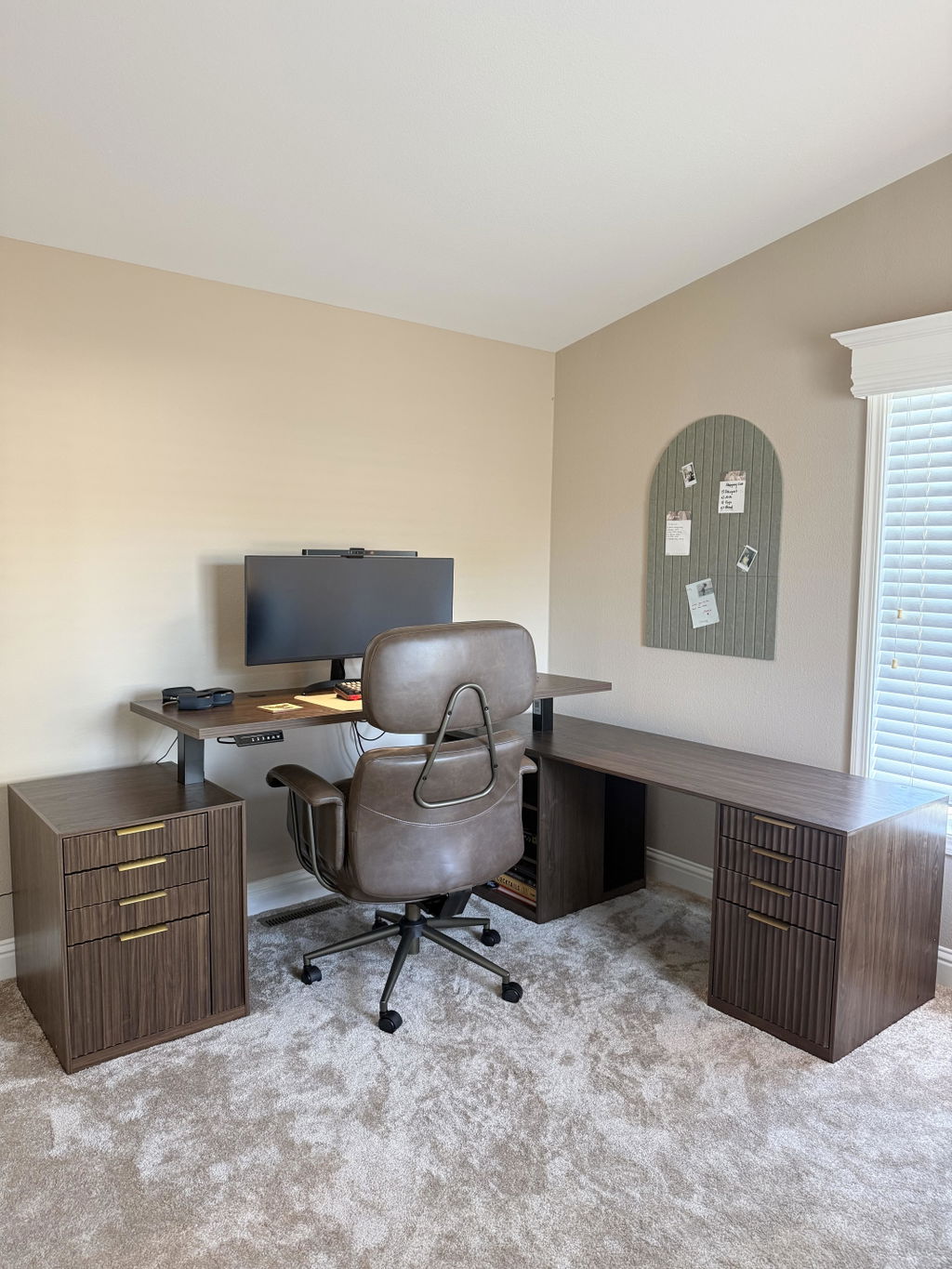
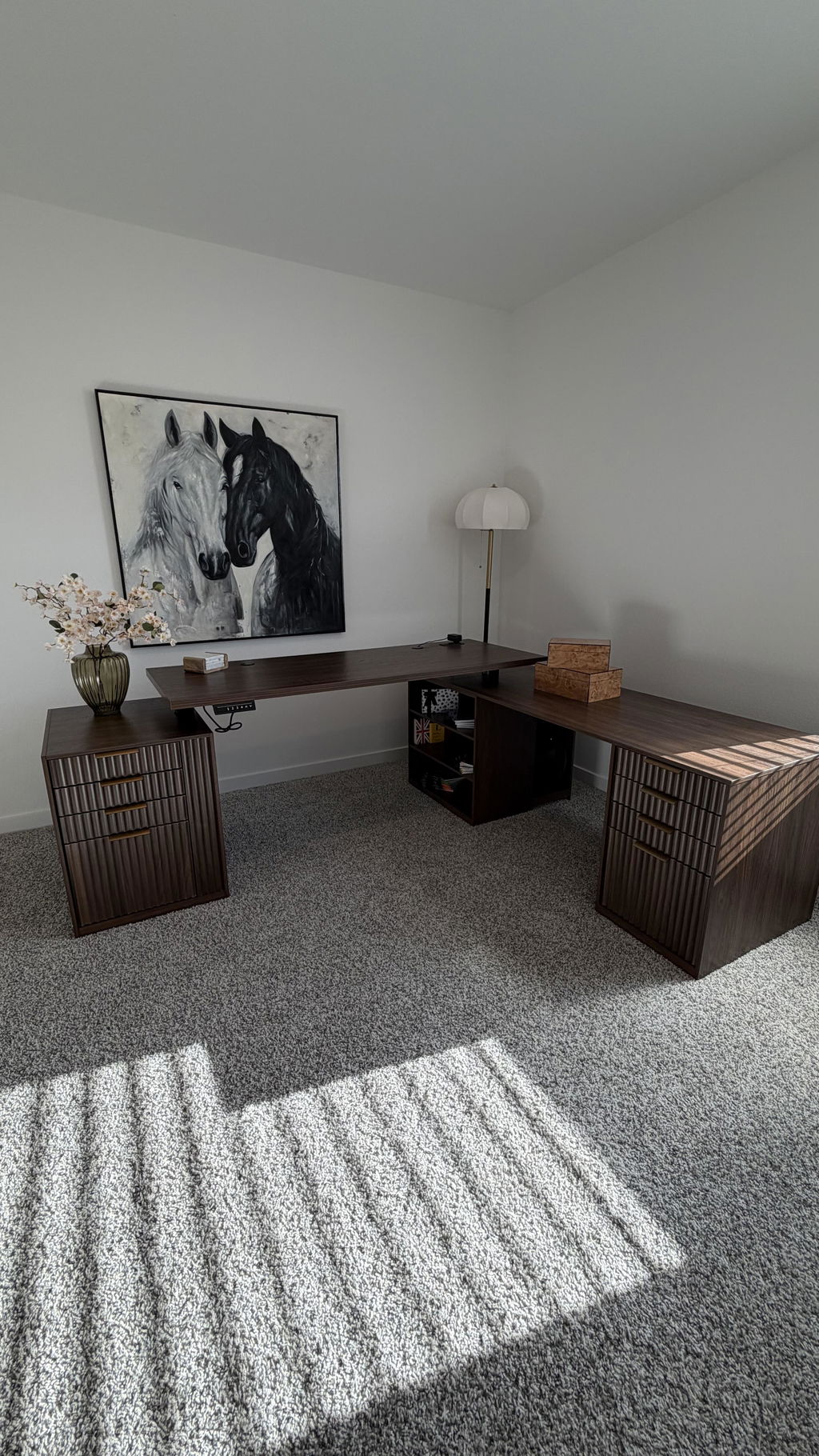
Designing a productive home office in a smaller space requires furniture that works harder for you. When the workspace blends a long desk, smart corner storage, and a charging cabinet into one cohesive unit, you gain not just surface area but also vertical storage and hidden power management. In this guide, we explore how a multifunction setup—like a 70-inch desk with a 71-inch corner bookshelf and a charging printer cabinet—can streamline your daily tasks, reduce clutter, and support a healthier work routine. Whether you’re setting up a dedicated room or carving out a corner of a multi-use space, the right configuration can make all the difference in comfort, focus, and efficiency.
Understanding your workflow and space constraints
Before you start laying out furniture, map your typical workday. Do you spend hours in front of a monitor? Do you print, scan, or frequently access a printer? Is there a need for a dedicated charging station for laptops, tablets, and phones? Answering these questions helps determine how to allocate surface area, storage, and cable management within a single, streamlined unit.
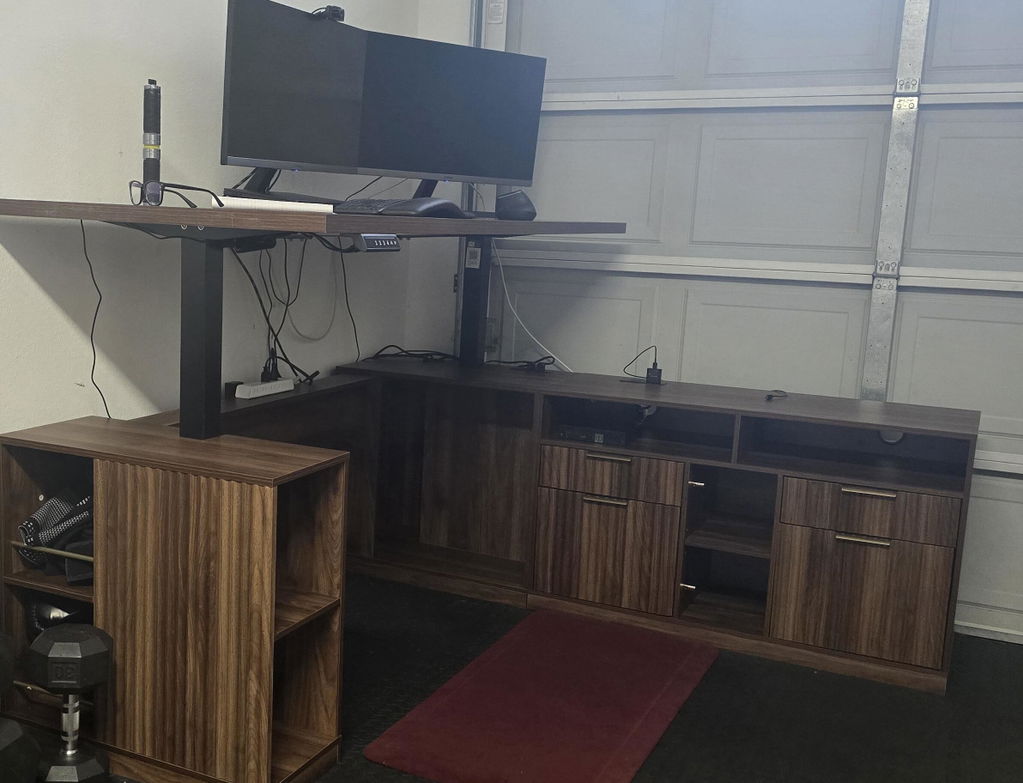
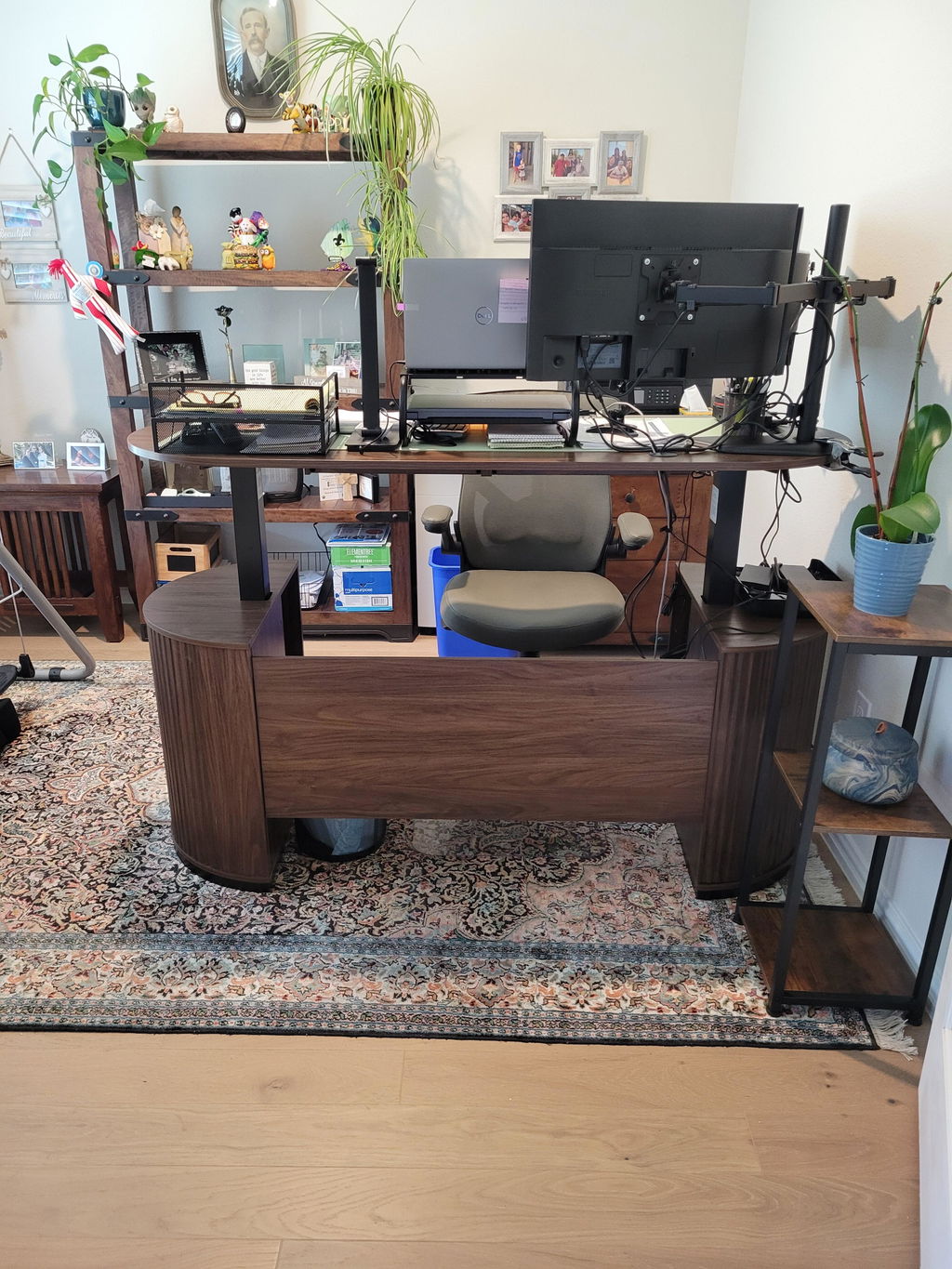
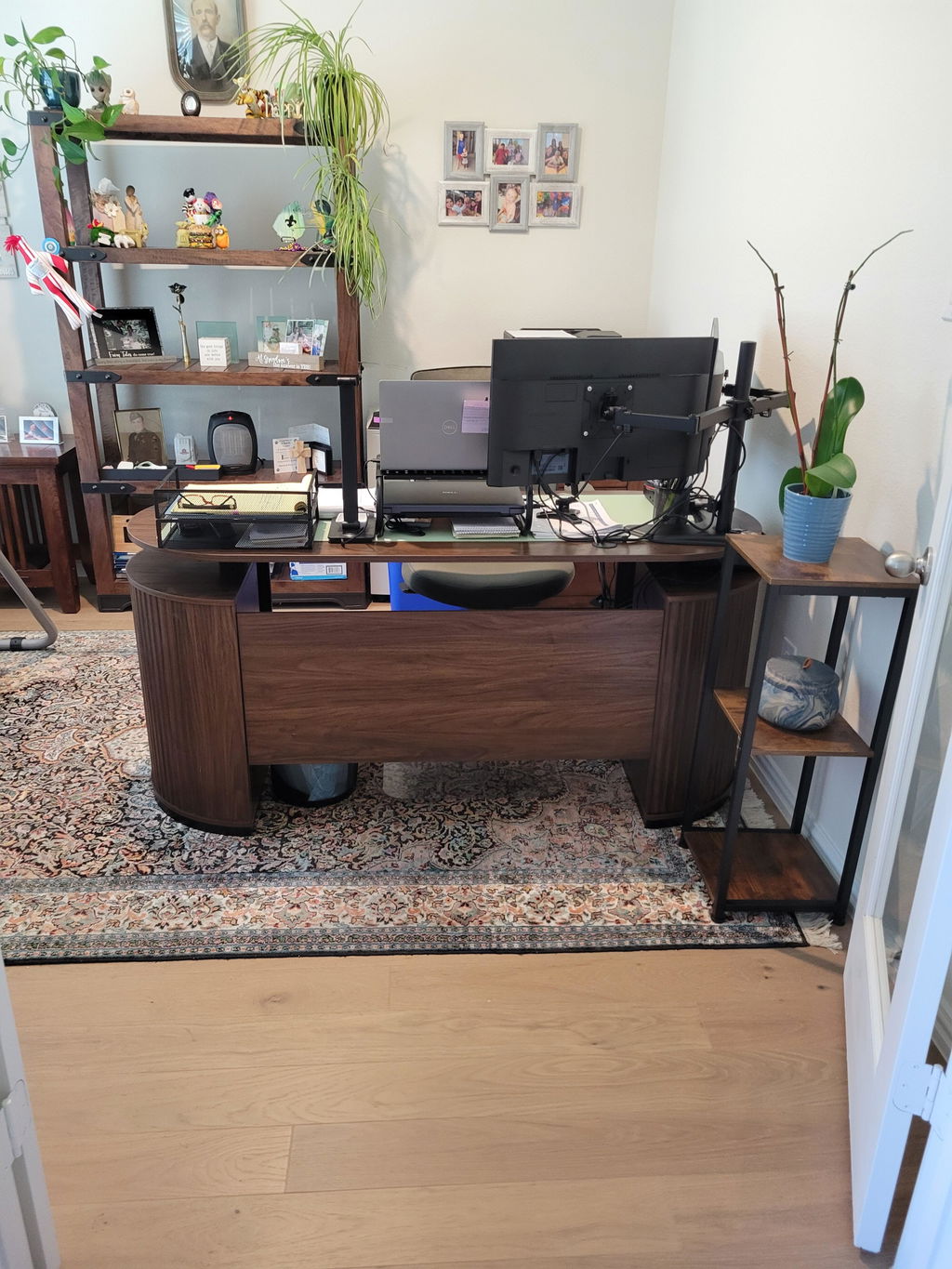
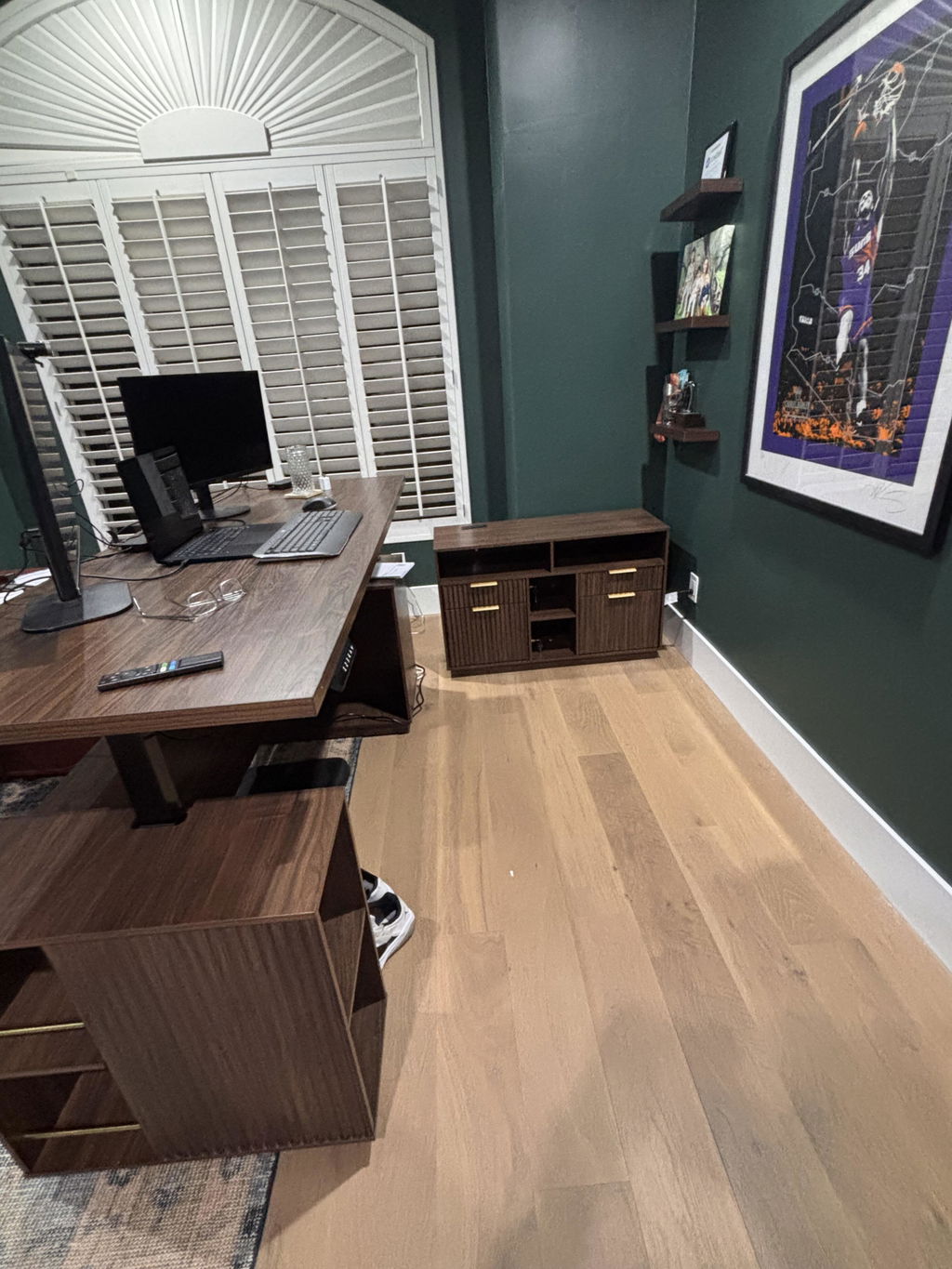
A 70-inch desk offers ample room for dual monitors, keyboard and mouse, a drafting or sketching area, and a place to rest notepads, documents, and planning tools. When paired with a 71-inch corner bookshelf, you gain vertical storage that keeps reference materials, manuals, and current projects within arm’s reach while preserving desk space for work tasks.
Begin by taking precise measurements of your room. Note door swings, baseboard moldings, and any permanent fixtures such as a heating vent or window. Consider the flow of traffic around the desk so you’re not navigating around a bulky cabinet each time you enter the room. Assess your electrical outlets and power needs. A charging cabinet component helps centralize cables and power strips, reducing desk clutter and the risk of tripping hazards. If you have a printer, printer cords, or other devices, plan a dedicated corner or side compartment within the unit where those items can live without crowding your main workstation.
Ergonomics and productivity: how to configure for comfort
Ergonomics play a pivotal role in maintaining long-term comfort and productivity. A well-balanced desk height, monitor placement, and keyboard positioning can dramatically reduce neck, shoulder, and eye strain. When choosing a multifunction unit, look for adjustable elements or enough leg clearance to allow you to switch between seated and standing postures if you need to. An ideal setup places the primary monitor at eye level, about 20 to 28 inches from your face, with a secondary monitor or task space easily accessible without twisting your torso. The 70-inch depth provides generous space for dual-monitor configurations while keeping cables and devices neatly organized behind the scenes. The corner bookshelf component supports documentation and reference materials at eye level, keeping them front and center when you need them, yet out of the primary working zone when you don’t.
In practice, dedicate a space on the desk for your keyboard and mouse so your wrists stay straight and your forearms rest at roughly 90 degrees. If you use a standing desk setting, consider a comfortable height range (standing heights typically range from 38 to 50 inches, depending on your height and chair choice). A generous surface area also allows you to place a notebook or tablet within reach without crowding the keyboard. Regular movement, even micro-adjustments, can help maintain comfort during long work sessions. A structured layout—monitor(s) on one side, primary drafting or writing space in the middle, and a laptop or periphery on the far edge—helps you maintain organizational flow and reduce cognitive load.
Storage, organization, and cable management
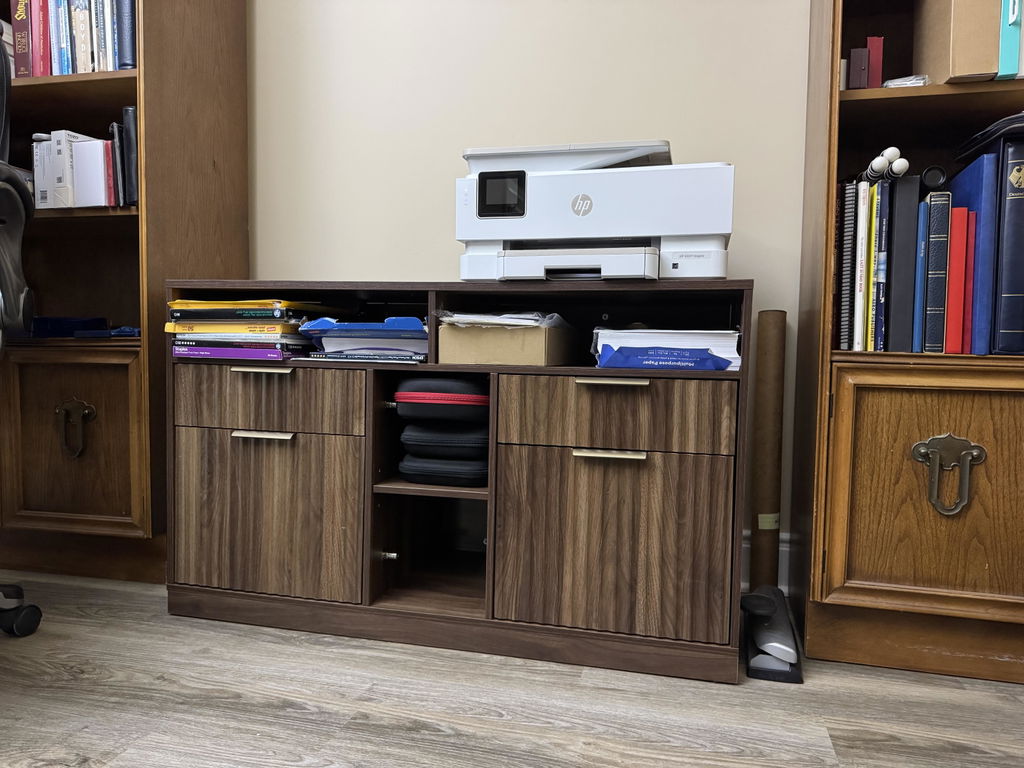
One of the biggest benefits of a combined desk, bookshelf, and cabinet is the ability to centralize materials, supplies, and power in a single footprint. Use the bookshelf to store frequently used manuals, current projects, and reference materials in labeled bins or baskets for quick access. The desk surface should stay clear of nonessential clutter by housing only items you actively use, such as a notebook, writing utensils, and a daily planner. The charging printer cabinet keeps power cords, adapters, and the printer itself tucked away from view, preventing a tangle of cables that can hamper focus. Integrating cable management with built-in channels and grommets keeps cords organized and reduces wear at the point where cables meet devices.
For cable management, consider flexible sleeves, zip ties, and cable trays along the back edge of the desk. If the unit offers built-in cable routing, route power and data lines through discrete channels to avoid interference with your keyboard or mouse. Labeling power adapters and USB hubs can speed up maintenance and minimize downtime when replacing devices. A tidy configuration not only looks professional but also supports a calmer, more focused mindset.
What to look for in a multifunction workstation
When selecting a combined desk-bookcase-cabinet system, prioritize several key factors that influence both practicality and long-term satisfaction:
- Surface area and depth: sufficient room for dual monitors, a laptop, and writing space without crowding.
- Stability and frame quality: a solid base supports your equipment and reduces wobble when typing or adjusting monitors.
- Storage versatility: accessible shelves for manuals, binders, and frequently used items; deeper cabinets for bulk supplies.
- Ergonomic compatibility: adjustable monitor height, ergonomic desk height range, and comfortable leg clearance.
- Power and data integration: centralized charging cabinet or cable management features that prevent clutter.
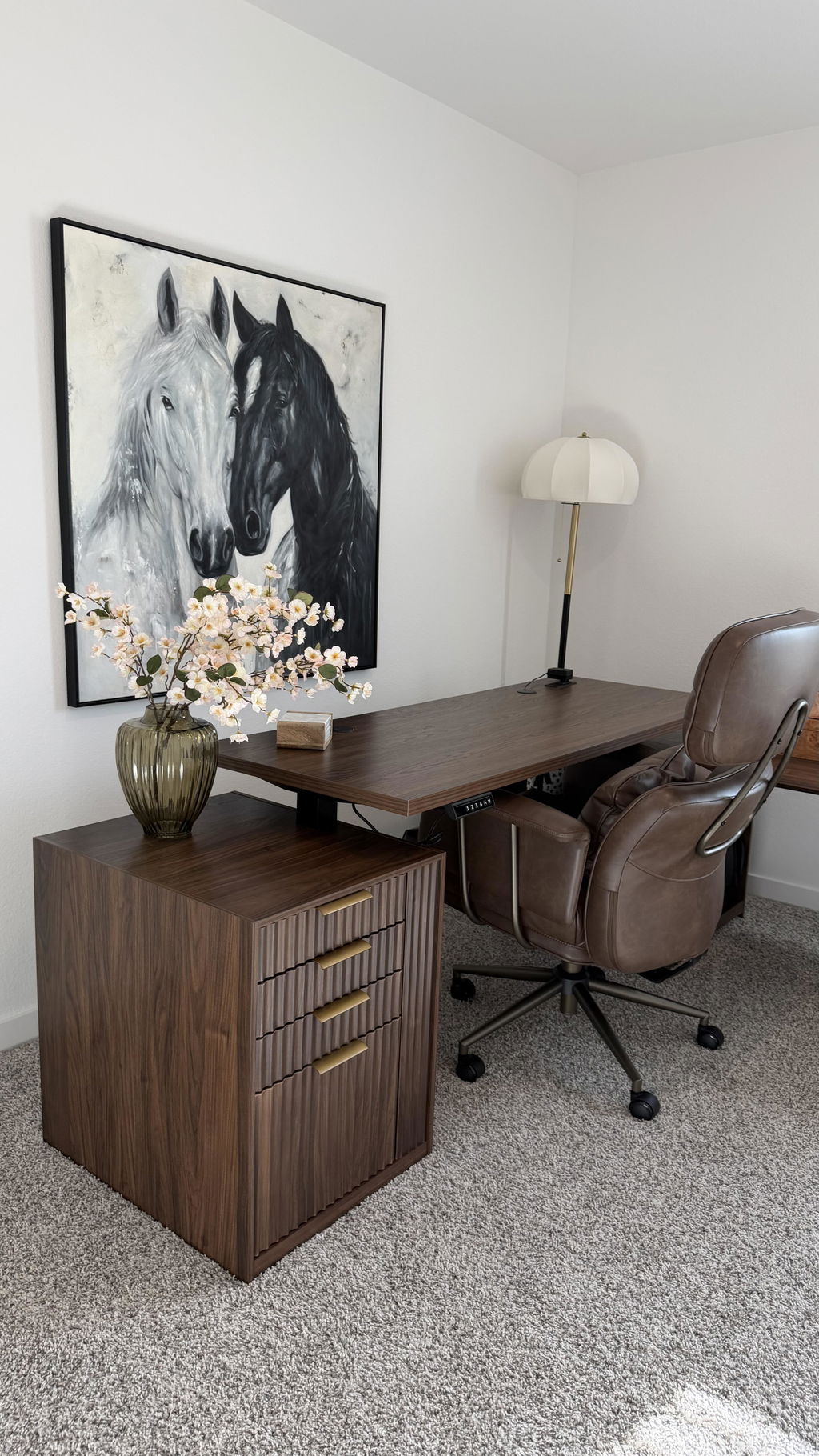
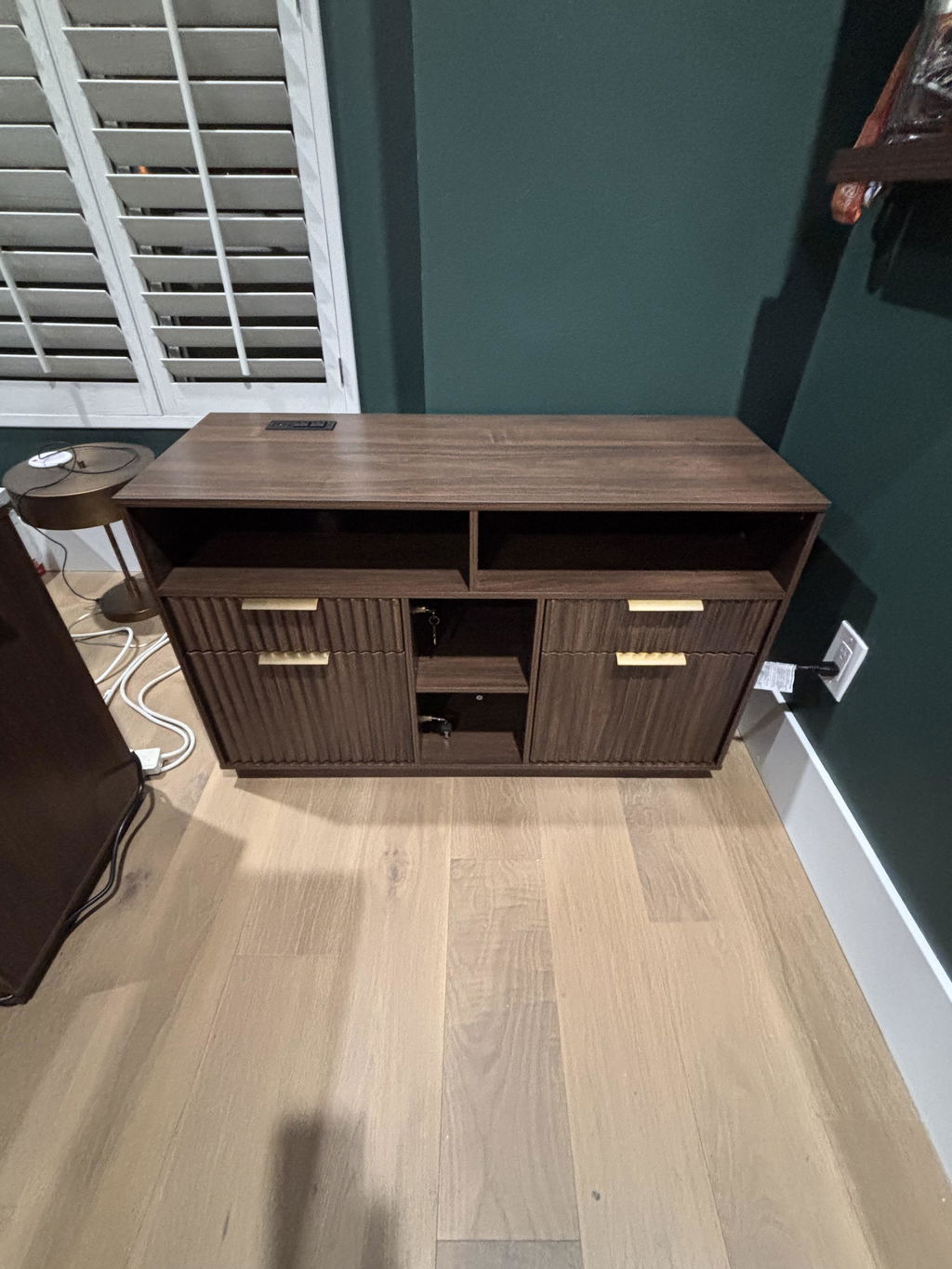
- Finish and aesthetics: a dark walnut or similar finish (such as fluted detailing) that coordinates with your room and other furniture.
- Modularity and future-proofing: ability to reconfigure or expand as needs evolve without replacing the entire unit.
Multifunction setups excel when you customize the arrangement to your actual routines. If you frequently host video calls, allocate space on the desk for your webcam and conferencing tools within easy reach while keeping incoming power cables tidy. If you print often, ensure the printer cabinet has enough ventilation and a straightforward route to a power outlet without disrupting your primary workstation. The aim is to create a cohesive workflow where every element supports the next, rather than competing for space or attention.
Implementation: turning plans into a functional space
With a clear plan, the next step is execution. Start by marking the room with painter’s tape to outline the footprint of the desk and shelf components. If the furniture is modular, sketch a few layout scenarios to compare how traffic flows around the space. Consider your lighting: position the desk so you aren’t facing glare from windows during video calls, and ensure there is adequate ambient illumination as well as task lighting for reading or writing tasks.
Next, lay out your essential equipment on the desk in an initial configuration. Place your primary monitor(s) at arm’s length, and keep your keyboard and mouse within easy reach. If you have a secondary device—such as a laptop or tablet—set it close enough for frequent use but in a position that won’t crowd the main work area. The bookshelf should hold reference materials that you access daily; reserve a few baskets or labeled organizers for supplies to keep the surface clean. The charging cabinet should be located near a power outlet but not directly under your feet, so cables can reach devices without obstructing foot traffic. Remember that this is an iterative process—small adjustments often yield the most significant gains in comfort and efficiency.
Maintenance and future-proofing your home office
Once your setup is in place, maintenance becomes a straightforward routine. Periodically review what’s on your desk and in your cabinet shelves. Swap items that you no longer need for a lighter, more streamlined approach, and keep a running list of improvements you’d like to implement. If your work evolves—perhaps you’ll adopt new devices, add a second monitor, or require more storage—the modular nature of a combined desk and storage unit makes those changes easier to implement without a full redesign. Don’t overlook the importance of regular cable checks: disengage, re-cable, and re-route as needed to prevent wear and maximize safety. A well-maintained workspace not only looks tidy but also supports better focus and lower stress over time.
Conclusion: creating a productive, compact home office
Designing a functional home office in a smaller space hinges on thoughtful layout, ergonomic considerations, and smart storage. The 70-inch desk with a 71-inch corner bookshelf and charging cabinet exemplifies a compact, all-in-one solution that minimizes clutter while maximizing surface area and storage. By planning around your workflow, prioritizing cable management, and keeping daily tasks within easy reach, you can transform a small room into a productive, inviting workspace. The key is to test configurations, listen to how you work, and adjust gradually until the setup aligns with your habits and goals. With deliberate choices and a little experimentation, your compact home office can feel both expansive and efficient, making every workday more comfortable and productive.


Share:
How to Choose and Set Up a CM2 Laptop & Single Monitor Desk Mount for 13-32-Inch Screens
How to Maximize Small-Space Productivity with the Premium Ritual Cabinet in Your Home Office