



Introduction: Why a desk-and-shelf bundle can redefine a home office
Creating an efficient, comfortable workspace often requires balancing surface area, storage, and aesthetics. A standing desk paired with a bookshelf offers a streamlined footprint, reduces clutter, and supports varied work modes—from deep focus to collaborative brainstorming. The 70" Desk · Straight + 60" Wide Bookshelf / Rattan - Light Walnut from HUANUO represents a bundled solution that prioritizes a clean silhouette, durable materials, and practical storage. This guide helps you evaluate whether such a bundle fits your space, workflow, and budget, and it provides concrete steps to set up a productive environment around this kind of dual-piece system.
Assess your space and how you work
Before choosing any furniture bundle, map out the room’s dimensions, traffic patterns, and electrical access. A tall bookshelf next to a wide desk changes where you place lighting, outlets, and seating. Consider questions like:
- What are the room’s length, width, and ceiling height? Is there corner space or a central area that works best for a standing desk?
- How will you route cables from monitors, a keyboard, and charging devices to outlets or power strips?
- Do you need a surface that accommodates multiple monitors, a laptop, notebook space, or drafting/creative work?
- How often do you stand, and how will you transition between sitting and standing during the day?
Bundles that combine a straight desk with a wide bookshelf are particularly beneficial when floor plan flexibility is limited. The 70" desk surface provides ample room for a monitor array, a keyboard, and notebook space, while the 60" bookshelf offers vertical storage for books, organizers, and personal items. This combination reduces the need for additional file cabinets and side tables, which can crowd a small room.
Prioritize ergonomics for long work sessions
Ergonomics isn’t a luxury; it’s a foundation of healthy work. When evaluating a standing desk and bookshelf bundle, focus on how the workstation adapts to you over a full workday:
- Desk height adaptability: The ability to switch between sitting and standing should cover your elbow height when your shoulders are relaxed, typically around 1 from your elbow to the desk surface when seated, and 4–6 inches above your elbow when standing.
- Monitor and keyboard placement: The monitor(s) should be at or slightly below eye level, about an arm’s length away. A keyboard tray or a surface that places the keyboard in line with your elbows reduces strain on wrists and shoulders.
- Footwear and movement: A standing desk is most effective when paired with an anti-fatigue mat, supportive footwear, and a plan to move at least every 30–60 minutes.
- Desk depth and reach: Ensure the desk depth provides enough space for a keyboard, mouse, and a comfortable space for notes or a laptop without crowding the monitor area.
With a broad surface and discreet shelving, you can position essential tools within easy reach while keeping the main desk clear of clutter. This setup supports alternating between focused work and lighter tasks like document review or planning, without forcing you to shuffle items around constantly.
Size, footprint, and room layout
Two critical questions shape the decision: How much space do you have, and how much surface is truly needed for your work style? The 70" desk provides a generous, uninterrupted plane for keyboards, notebooks, and devices, while the 60" bookshelf adds a substantial storage spine along the same footprint. In rooms with narrow widths, a straight desk plus a tall shelf can often be better than an L-shaped or corner unit that intrudes into walking space.
Measurement mindset:
- Measure wall-to-wall length where the desk will sit, and confirm clearance for chair movement and standing transitions.
- Check ceiling height to ensure you can move between seated and standing postures without heads brushing overhead fixtures or cabinets.
- Assess the depth of the bookshelf—does it extend into the room enough to visually balance the desk, or does it create a crowded appearance?
In practice, a 70" desk surface paired with a 60" bookshelf creates a balanced, grounded desk setup that anchors paperwork, reference materials, and display items while leaving ample space for a monitor arm, lamp, or plant. The related style—light walnut with a rattan accent—adds warmth and a touch of texture to modern home offices.
Materials and build quality that support daily use
Material choices matter when you’re building a long-term workspace. Light walnut tones with rattan accents convey a friendly, contemporary aesthetic, while the underlying engineering should prioritize stability, weight capacity, and ease of movement for height adjustments. When evaluating a bundle like this, consider:
- Frame construction: A solid base that does not wobble at full height ensures safety when you type, reach, or lean slightly.
- Finish durability: A protective finish on the desk surface reduces scratches from writing, placing devices, and occasional spills.
- Shelf strength: The bookshelf should hold typical office supplies, reference books, and decorative items without bowing or sagging.
- Ease of maintenance: Smooth surfaces that resist dust buildup make cleaning faster and maintain the aesthetic appeal of a light wood tone.
The combination of wood tones and texture commonly found in light walnut and rattan details offers visual warmth that complements most cable management schemes and monitor colors. Visual balance between the desk surface and the bookshelf helps to create a cohesive, calm workspace that reduces visual noise and supports focus.
Organization, storage, and workflow zones
A bundle with both a substantial desk surface and expansive bookshelf enables you to define zones within a single room. Think in terms of three zones: work surface, reference and storage, and a personal touch area. Practical tips include:
- Keep frequently used devices on the desk—keyboard, mouse, notebook, and pen cup—within easy reach.
- Use the bookshelf for reference materials, notebooks, project folders, and display items that provide inspiration without cluttering the desk top.
- Incorporate small organizers or dividers to create tidy rows for documents or tools you access regularly.
- Place a lighting solution that reduces screen glare and supports reading or writing tasks adjacent to the desk or on the bookshelf shelf.
When organized thoughtfully, a straight desk with a long bookshelf becomes more than furniture—it becomes a workflow framework. You’ll spend less time searching for materials and more time in productive work modes that match your day.
Setup tips: cable management, accessories, and care
Effective setup reduces friction and keeps your space neat. Consider these practical steps:
- Cable management: Use a grommet or cable tray to route cords beneath the desk surface and along the back edge of the bookshelf for a clean look.
- Monitors and arms: If you rely on multiple monitors, a monitor arm that clamps to the desk can free up space and provide flexible height and distance adjustments.
- Lighting: A neutral, warm light improves focus without harsh glare. Place a desk lamp or wall-mounted light near your workspace as needed.
- Ventilation and climate: Ensure adequate air circulation, especially if you work in a small room with a lot of electronic devices.
The bundle’s integrated nature helps simplify cable routing and keeps the work area visually cohesive, which can reduce cognitive load and improve task performance.
Budget, value, and long-term considerations
An effective bundle often delivers more value than purchasing pieces separately. While a bundle may have a higher upfront cost, the savings come from cohesive design, matched finishes, and fewer compatibility concerns. Consider the total cost of ownership, including assembly effort, potential future upgrades, and the space you regain by consolidating storage into a single bookshelf rather than distributing items across multiple pieces.
Think about the longevity of the materials and hardware. A desk and bookshelf designed for routine rearrangement, with sturdy fasteners and a durable finish, will last longer and perform better than cheaper, standalone components that feel flimsy when you adjust the height or reposition items.
Product spotlight
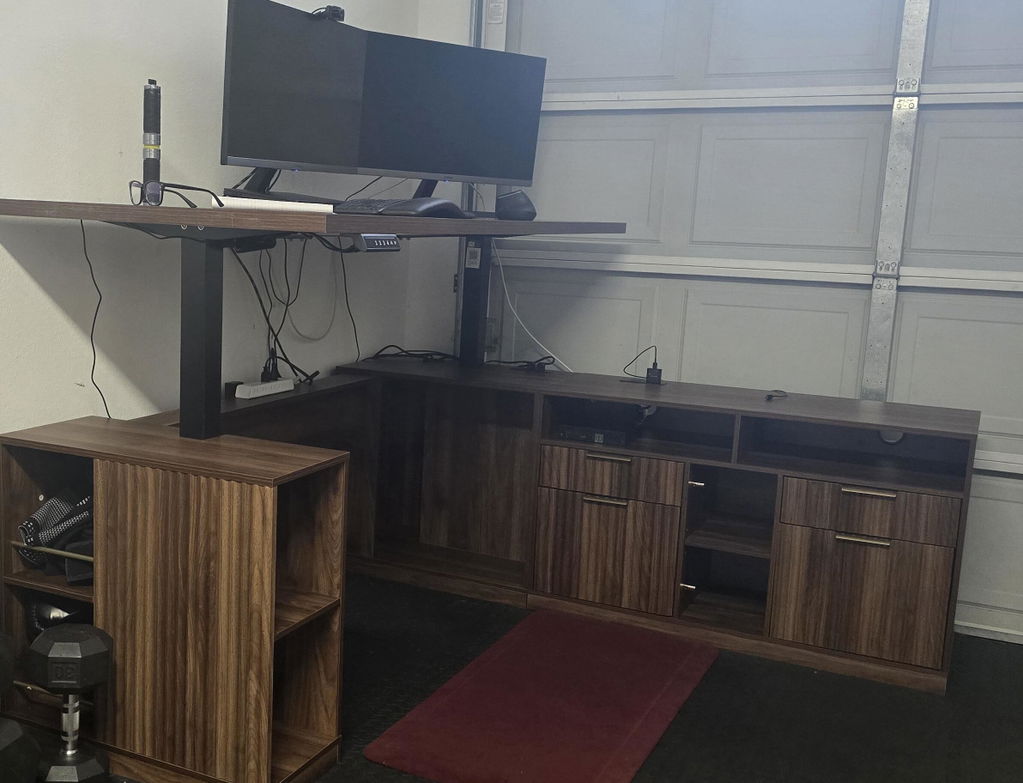
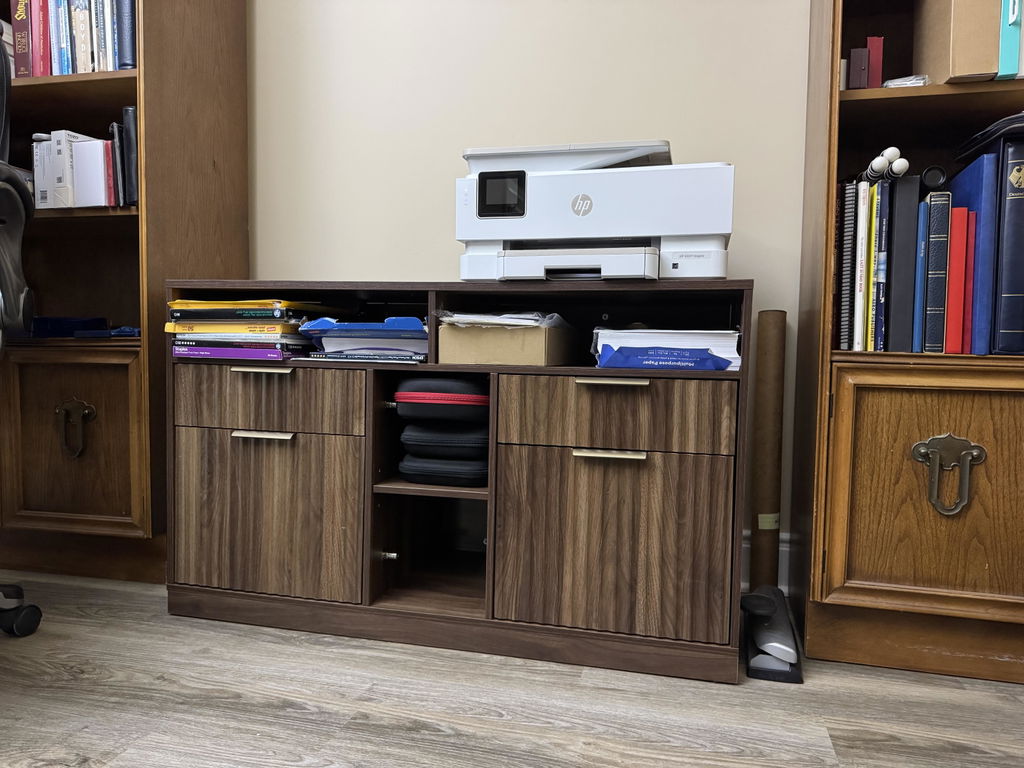
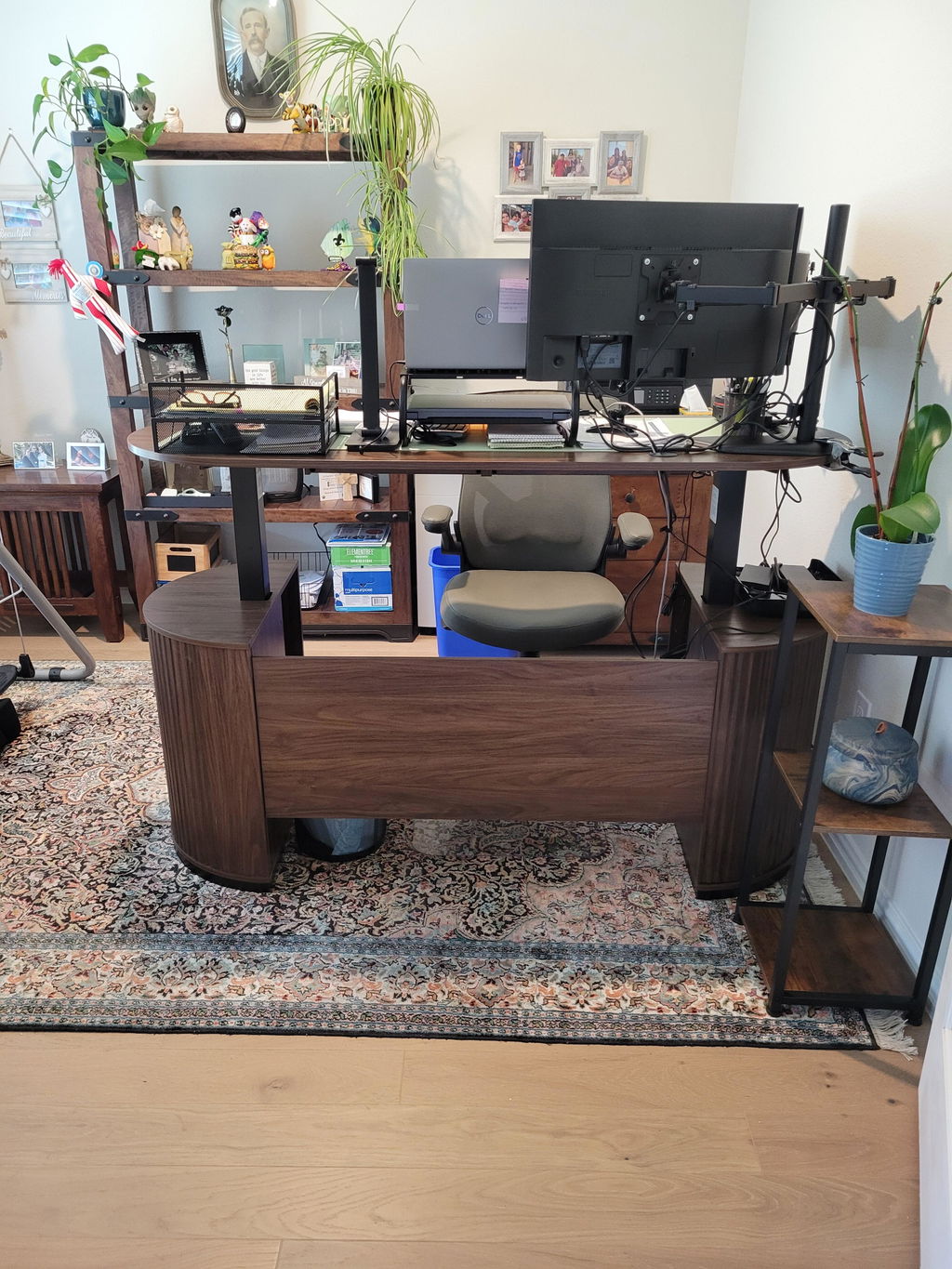
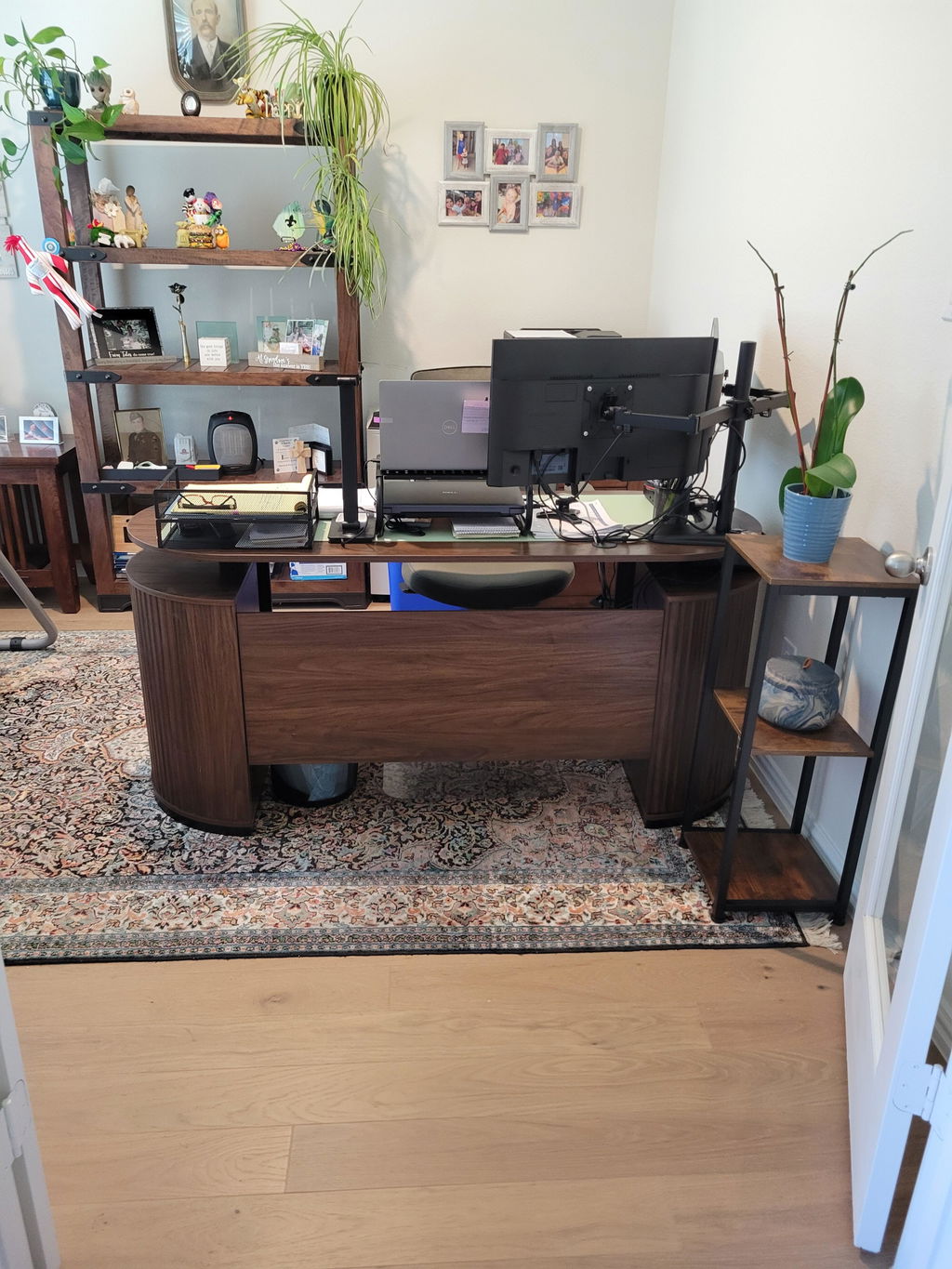
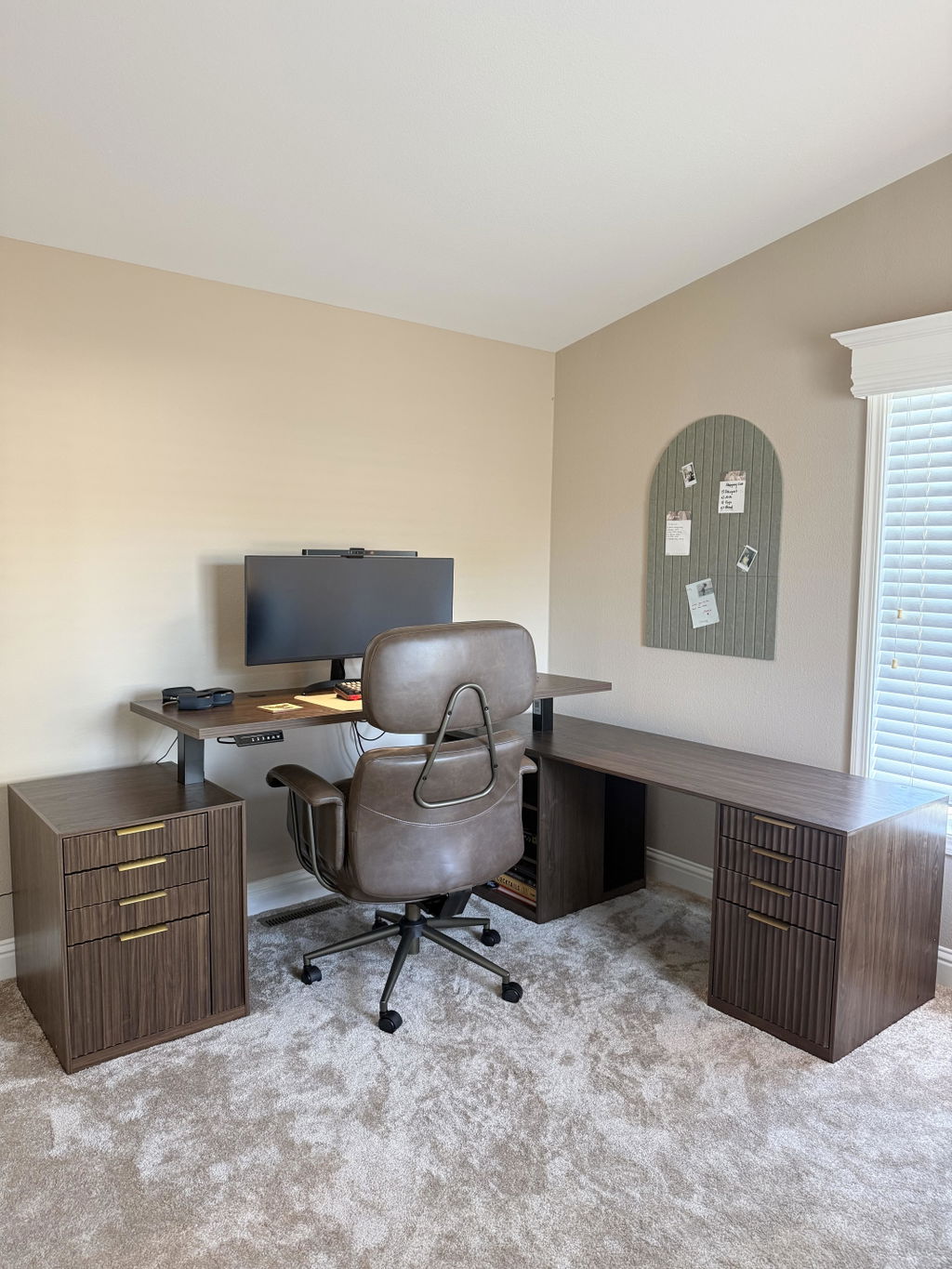
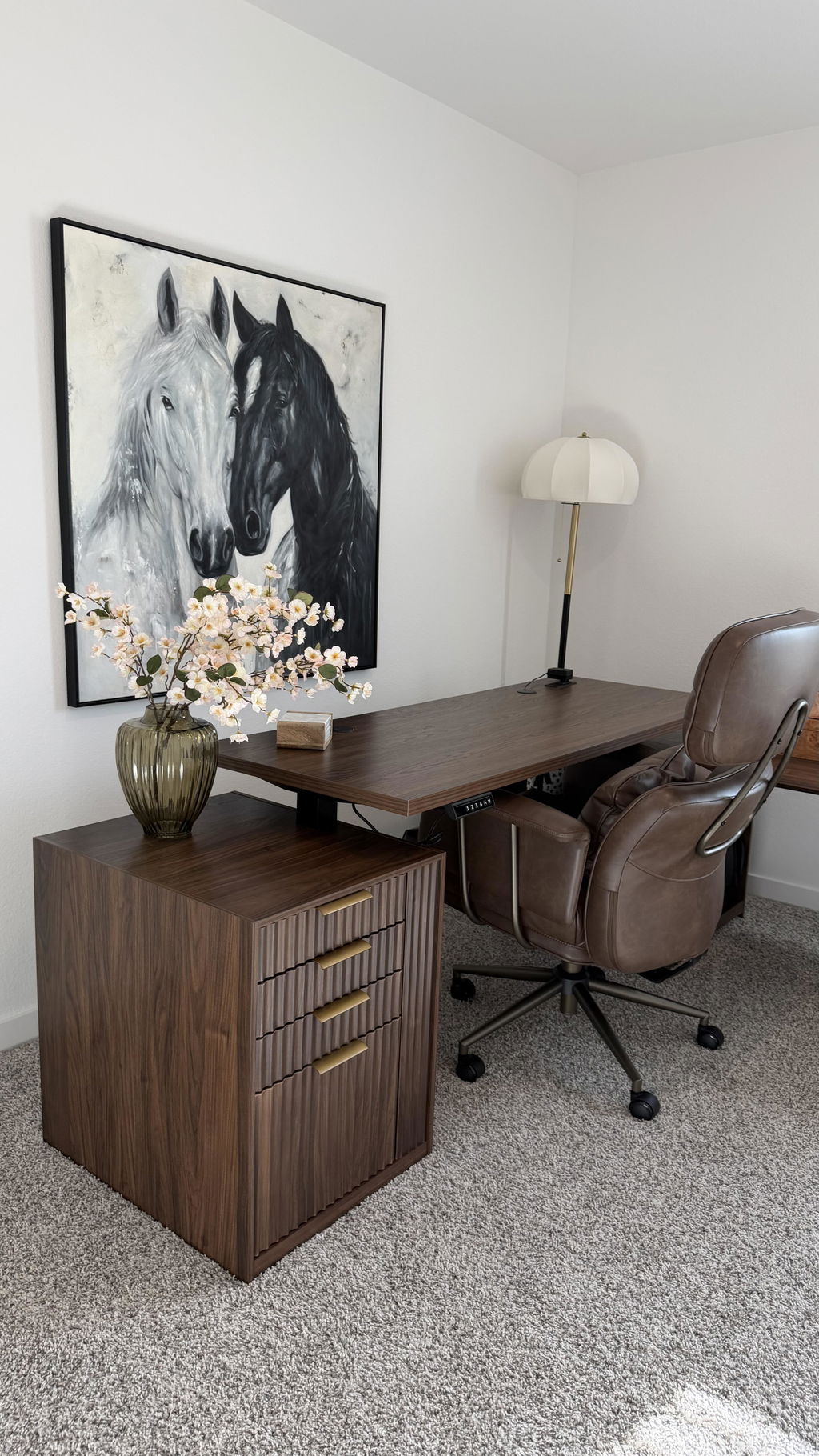
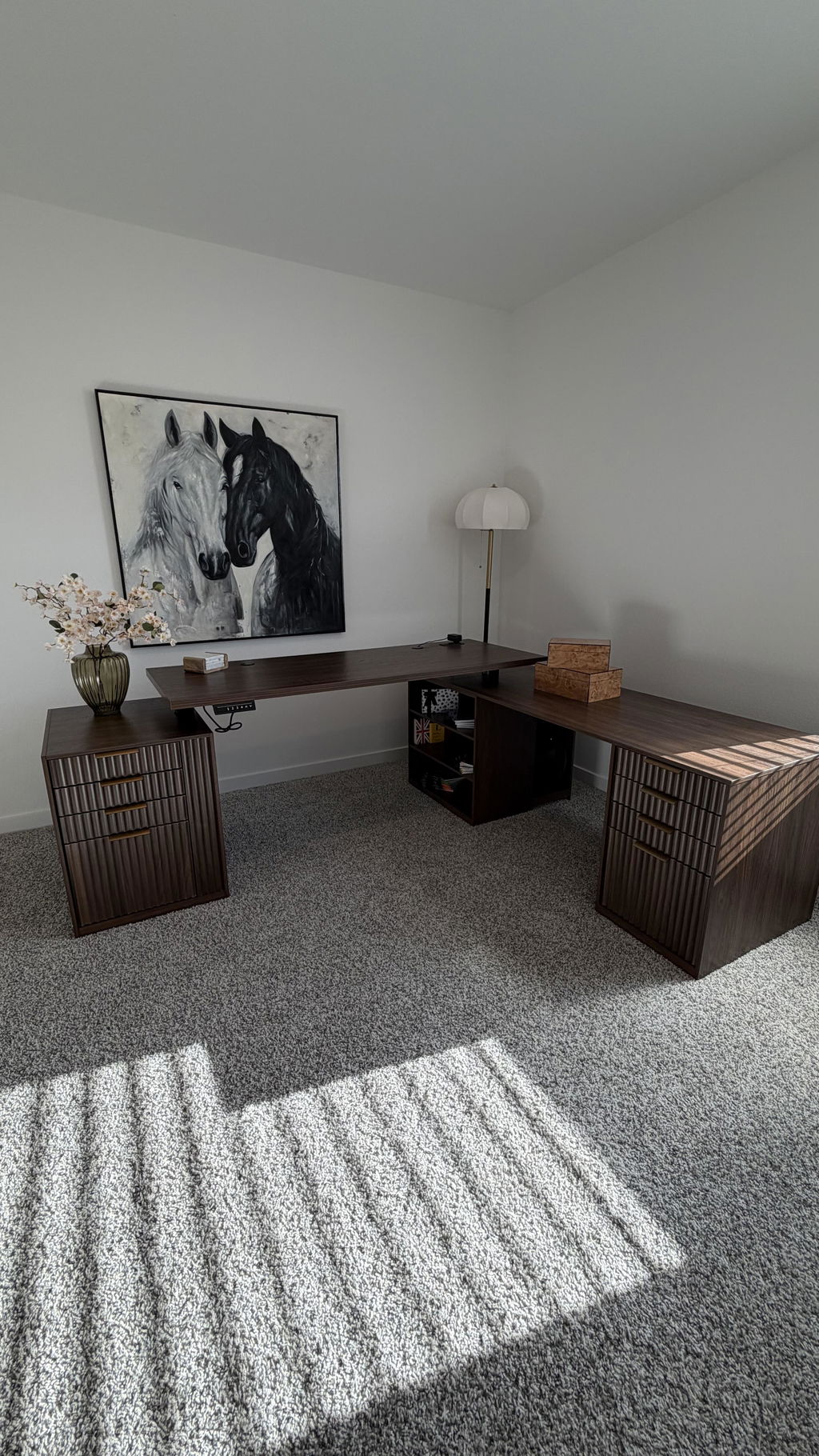
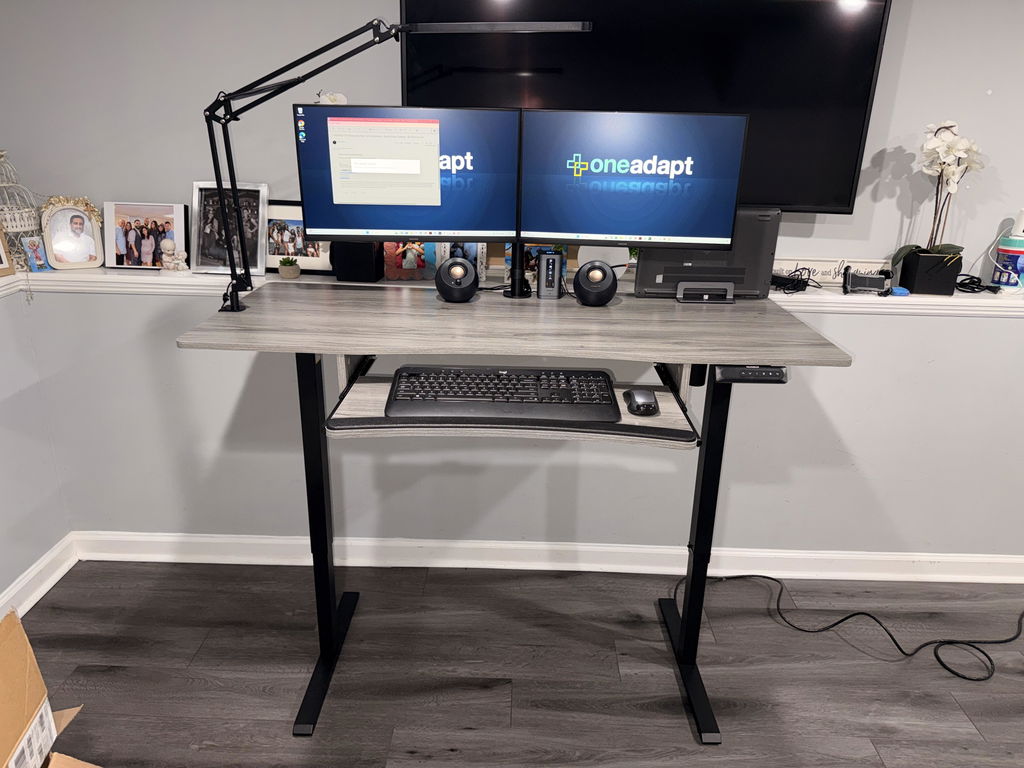
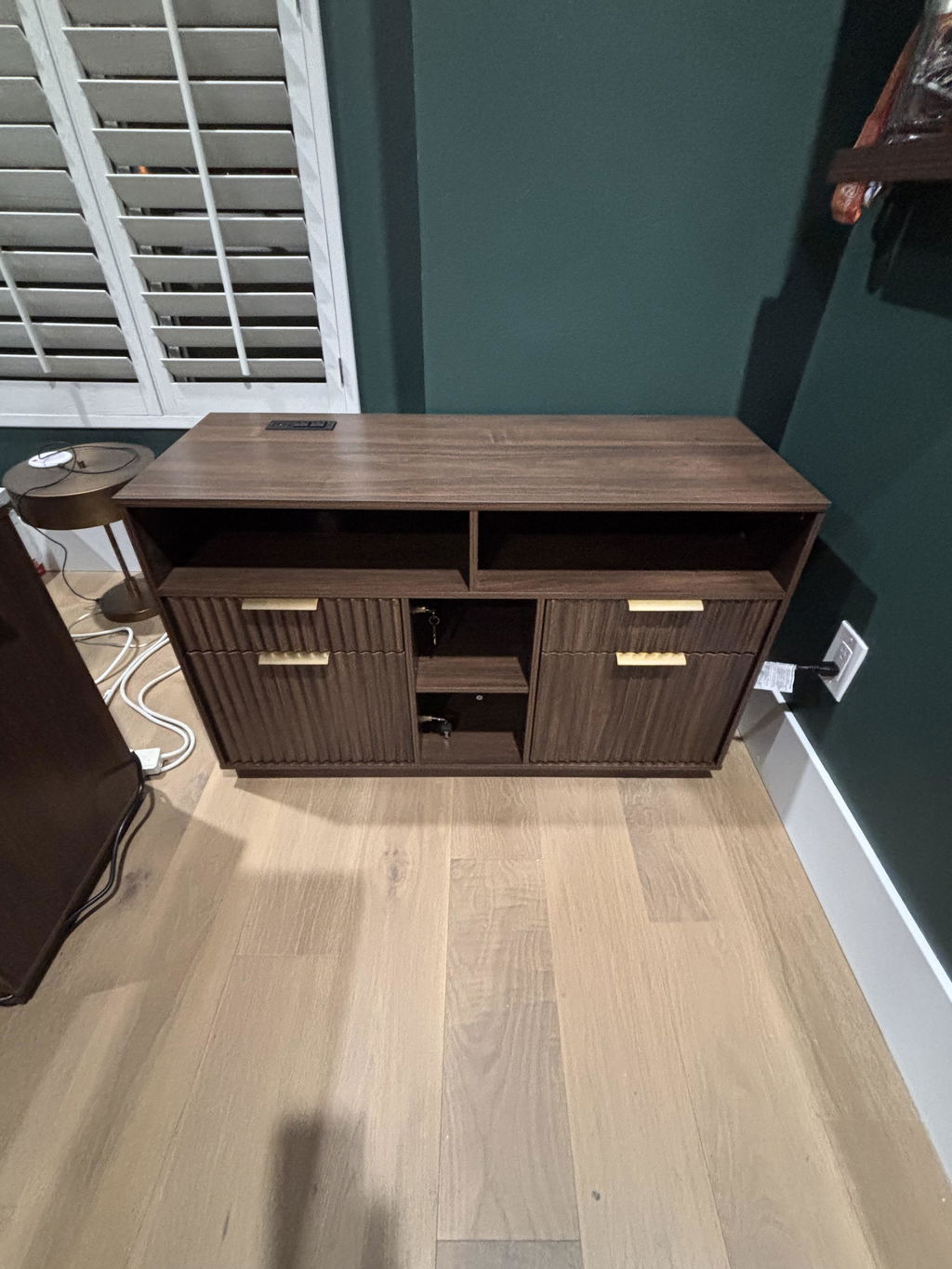
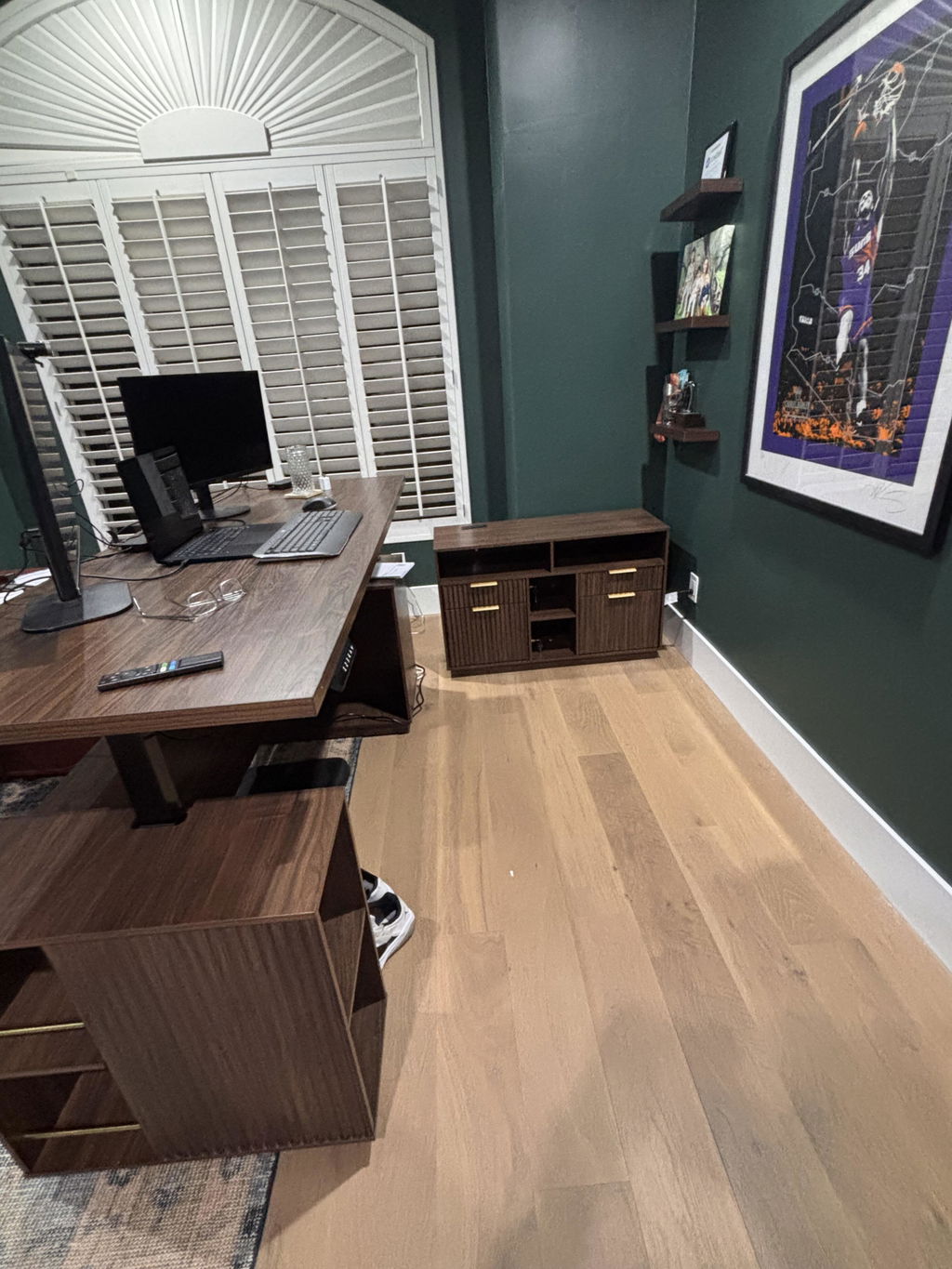
Here is a real-world example of a dual-desk-and-shelving setup that aligns with this guide.

When evaluating a bundle like this, verify compatibility with your preferred accessories, such as keyboard trays, monitor arms, and route planning for cables. Consider one or two essential updates that adapt the system to your space without compromising the balance of desk and shelf.
Conclusion: making a smart choice for your home office
Choosing a standing desk with a generous bookshelf bundle is about balancing surface area, storage, and ergonomic comfort within your room’s constraints. By focusing on room layout, ergonomic setup, durable materials, and practical organization, you can create a workspace that supports sustained focus and adaptable workflows. Remember to measure carefully, plan for cable management, and select a finish that complements your style and lighting. A well-chosen bundle like the 70" Standing Desk with a 60" Bookshelf in Light Walnut can anchor a productive, inviting home office for years to come.


Share:
How to Choose the Ideal L-Shaped Desk with Bookshelf for Your Home Office
Maximizing Your Workspace Efficiency with the DS6 Essential Dual Monitor Arm