



Why a Versatile Height-Adjustable Desk Improves Modern Workflows
In today’s hybrid work environments, the ability to switch between sitting and standing can boost energy, focus, and long-term posture. A desk that can adapt its footprint to your space and tasks becomes a quiet but powerful ally. The 81.7-126.2 Premium Cadre Standing Desk from HUANUO exemplifies this versatility with a frame that supports both a straight workstation and a space-saving L-shaped corner setup.
Understanding Configurations: Straight Versus L-Shaped Desks
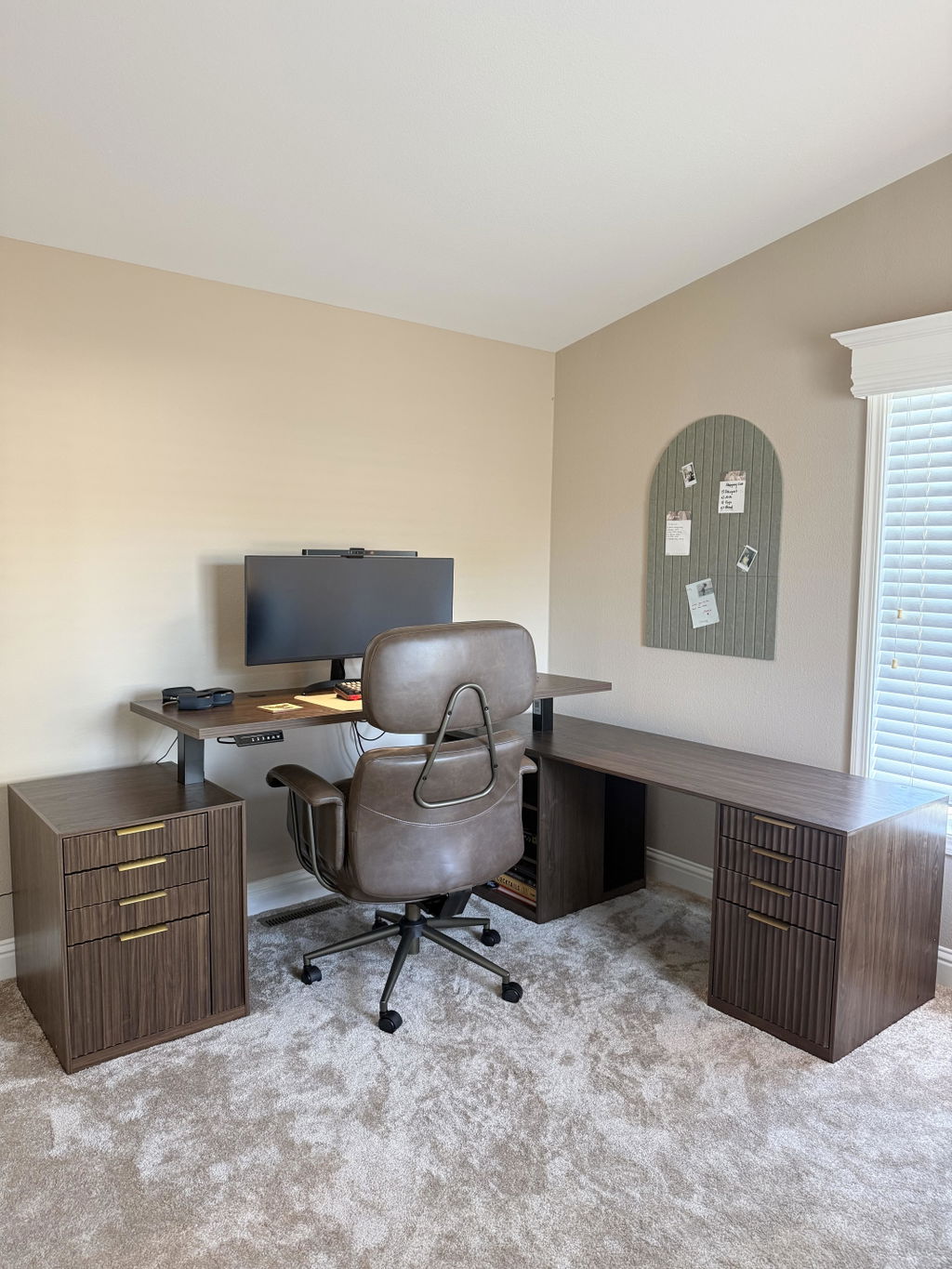
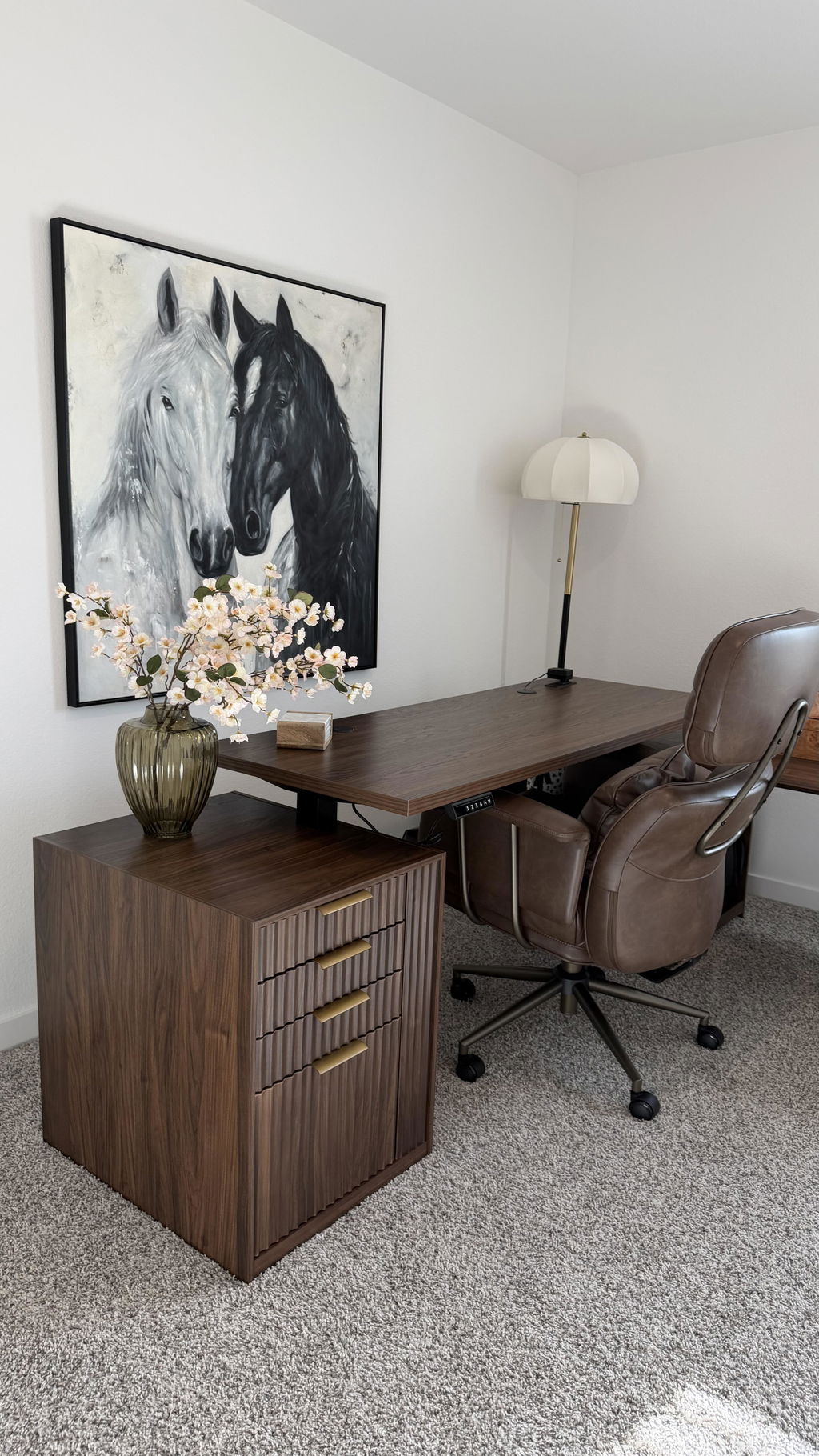
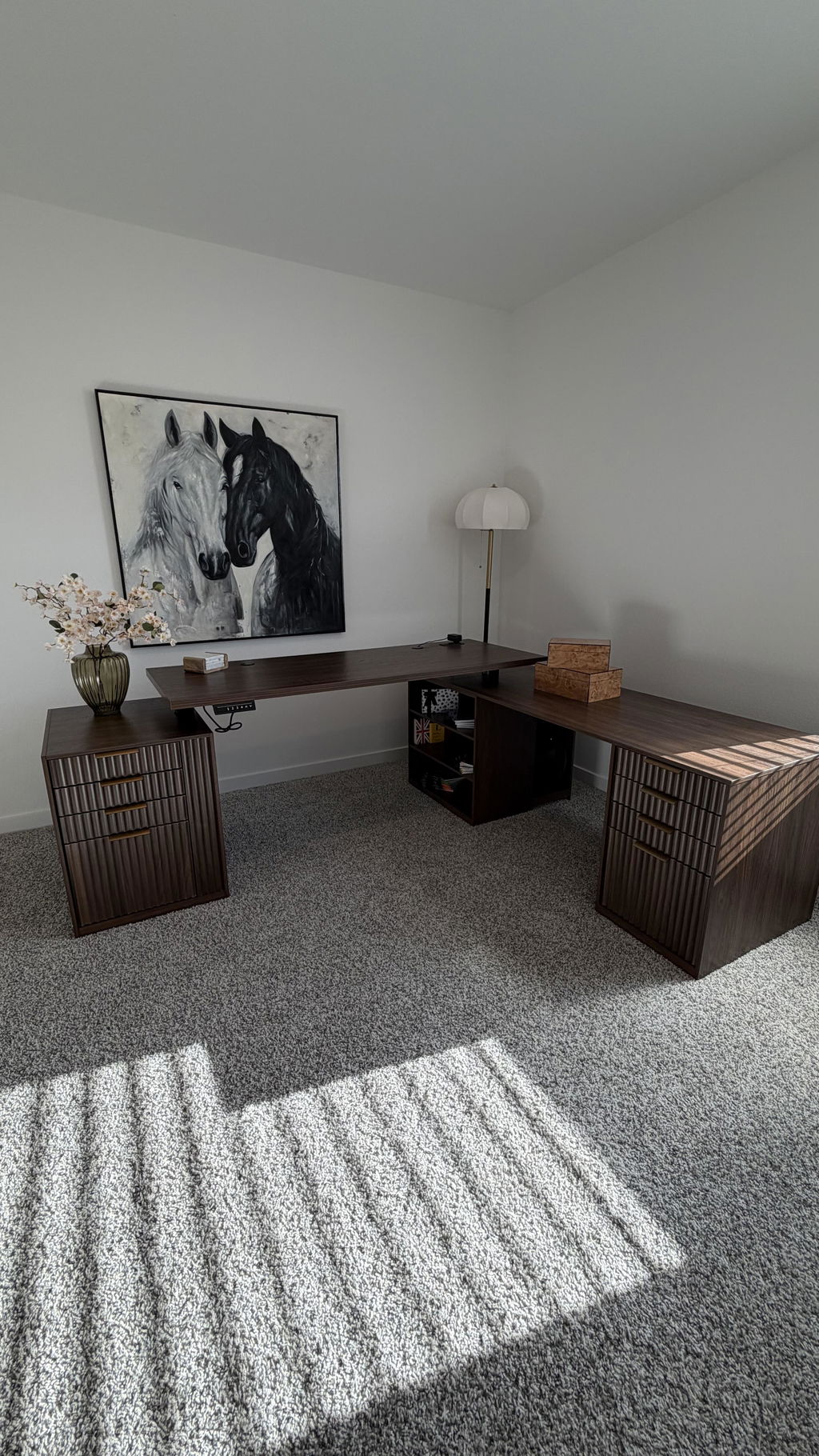
One of the most important decisions when designing a home office is how much desk real estate you need and how your equipment will fit. A straight desk offers a broad, uninterrupted work surface ideal for focused writing, drafting, or software development. An L-shaped desk, on the other hand, provides additional surface area for monitors, printers, or reference materials while tucking neatly into a corner to maximize room efficiency. The HUANUO model under discussion provides both configurations through a highly adaptable frame, enabling you to reconfigure as your workspace evolves.
Key Features to Look for in a Standing Desk
- Stability and build quality: A heavy-duty steel frame reduces wobble at all heights, ensuring a solid base for monitors and peripherals.
- Height range and motion: A broad elevation spectrum supports multiple users or different ergonomic preferences across the day.
- Configuration flexibility: The ability to assemble as straight or L-shaped expands layout options for your room geometry.
- Digital control with memory presets: Programs for sitting and standing heights save you time during busy schedules and keep transitions smooth.
- Load capacity: A desk designed to hold multiple monitors, PC towers, and office gear without compromise.
- Cable management and tidy integration: Thoughtful cable routes help maintain a clean, productive workspace.
- Ease of assembly and daily maintenance: Clear instructions and durable components reduce setup time and long-term upkeep.
How the 81.7-126.2 Premium Cadre Standing Desk Addresses Common Pain Points
This model blends an ergonomic design with practical features that matter in real-world use. The
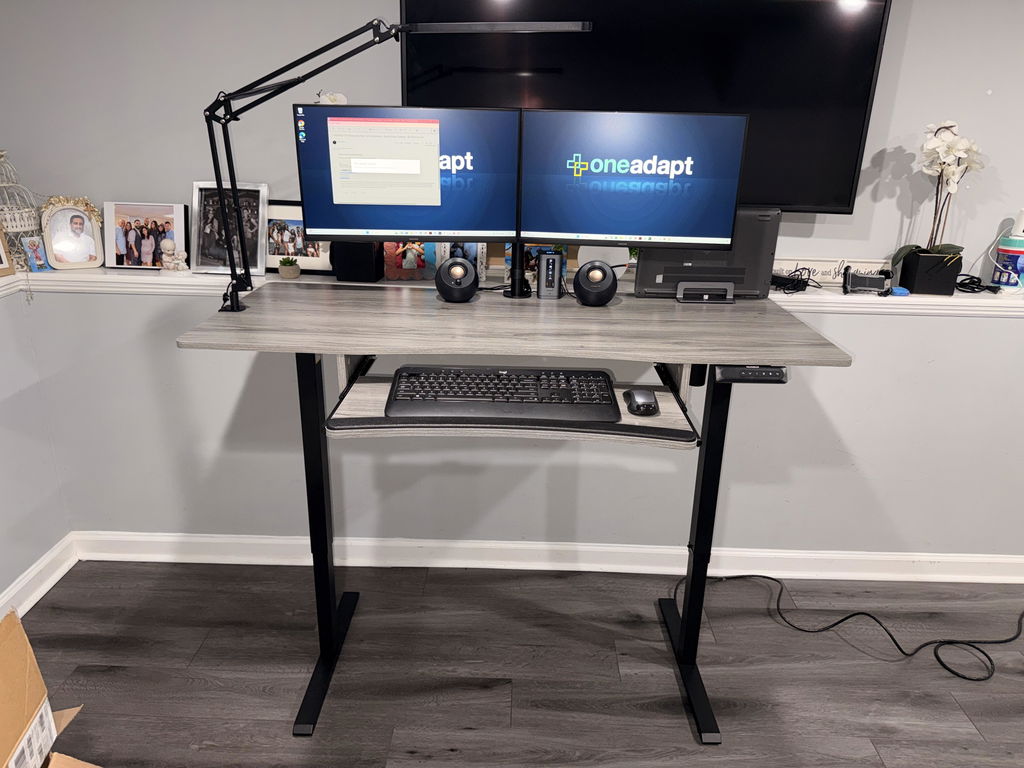
frame supports both a spacious straight layout and an efficient L-shaped footprint, so you can tailor your workstation to fit a large monitor array or a compact desk space. A heavy-duty construction helps prevent wobble even when you raise the desk to higher positions for elevated monitors or standing tasks. The built-in digital controller offers memory presets so you can switch quickly between your preferred heights—perfect for households with more than one person or a daily routine that alternates between tasks and collaborators.
The desk’s dimensions—approximately 23.62 inches deep by 62.99 inches wide and 28.35 inches high in its standard configuration—coupled with a robust 105.1-pound frame, signal a design that prioritizes stability and longevity. These characteristics pair well with the needs of professional setups,
where you might be juggling multiple monitors, a desktop PC, cable heavy peripherals, and occasional bulky accessories. Its L-shaped configuration can wrap neatly into a corner, freeing up central floor space while still delivering ample working surface.
For many users, the most compelling advantages come down to ergonomics and adaptability. The ability to adjust height across the day means you’re more likely to alternate between sitting and standing, which can mitigate fatigue and promote better posture. A memory preset system reduces friction during busy shifts, letting you return to your preferred height with a single touch, rather than fumbling with switches or exhaustive manual adjustments. Additionally, a well-engineered frame reduces lateral wobble, enabling precise placement of screens and devices even when the desk is extended to its maximum height.
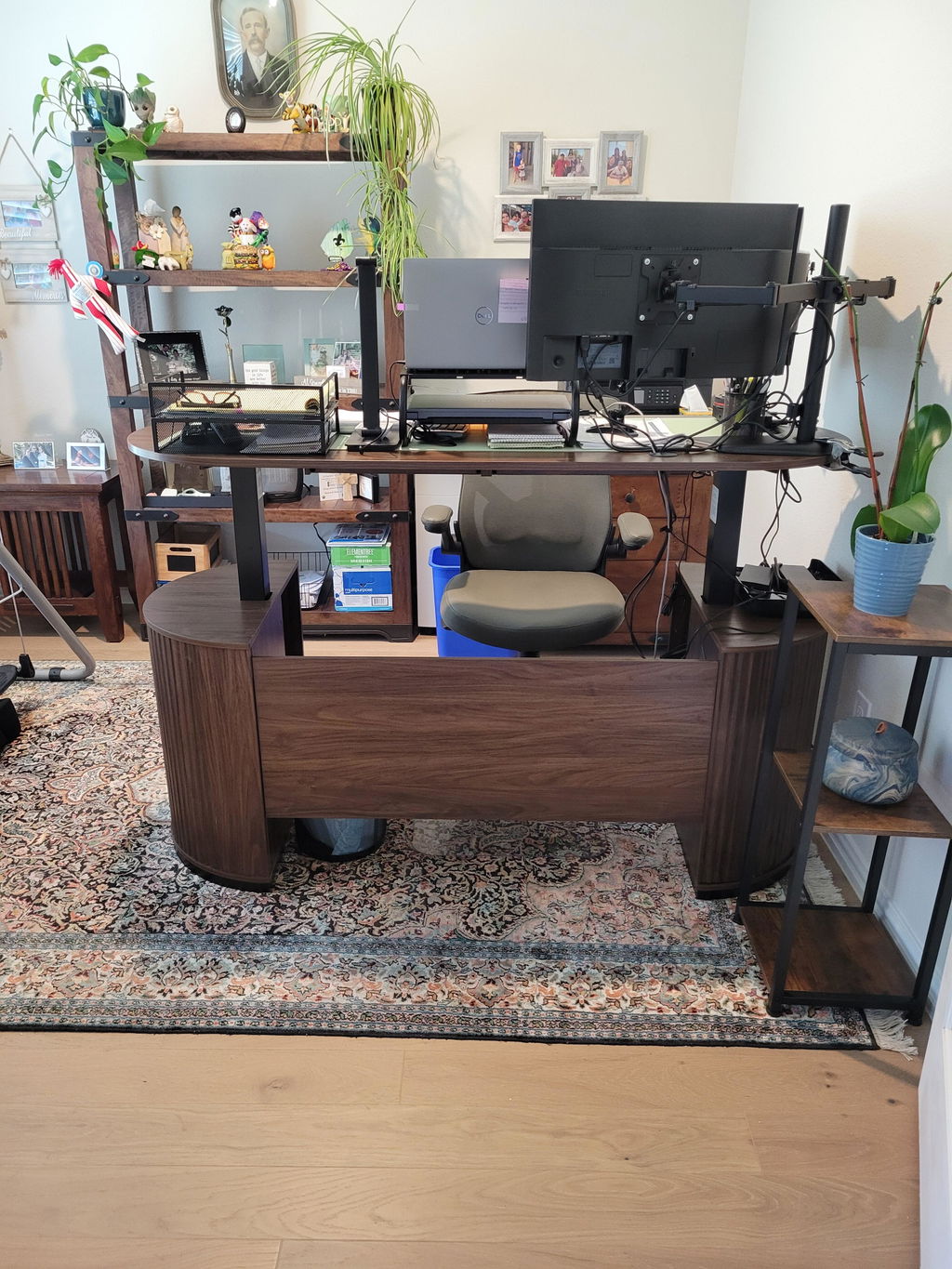
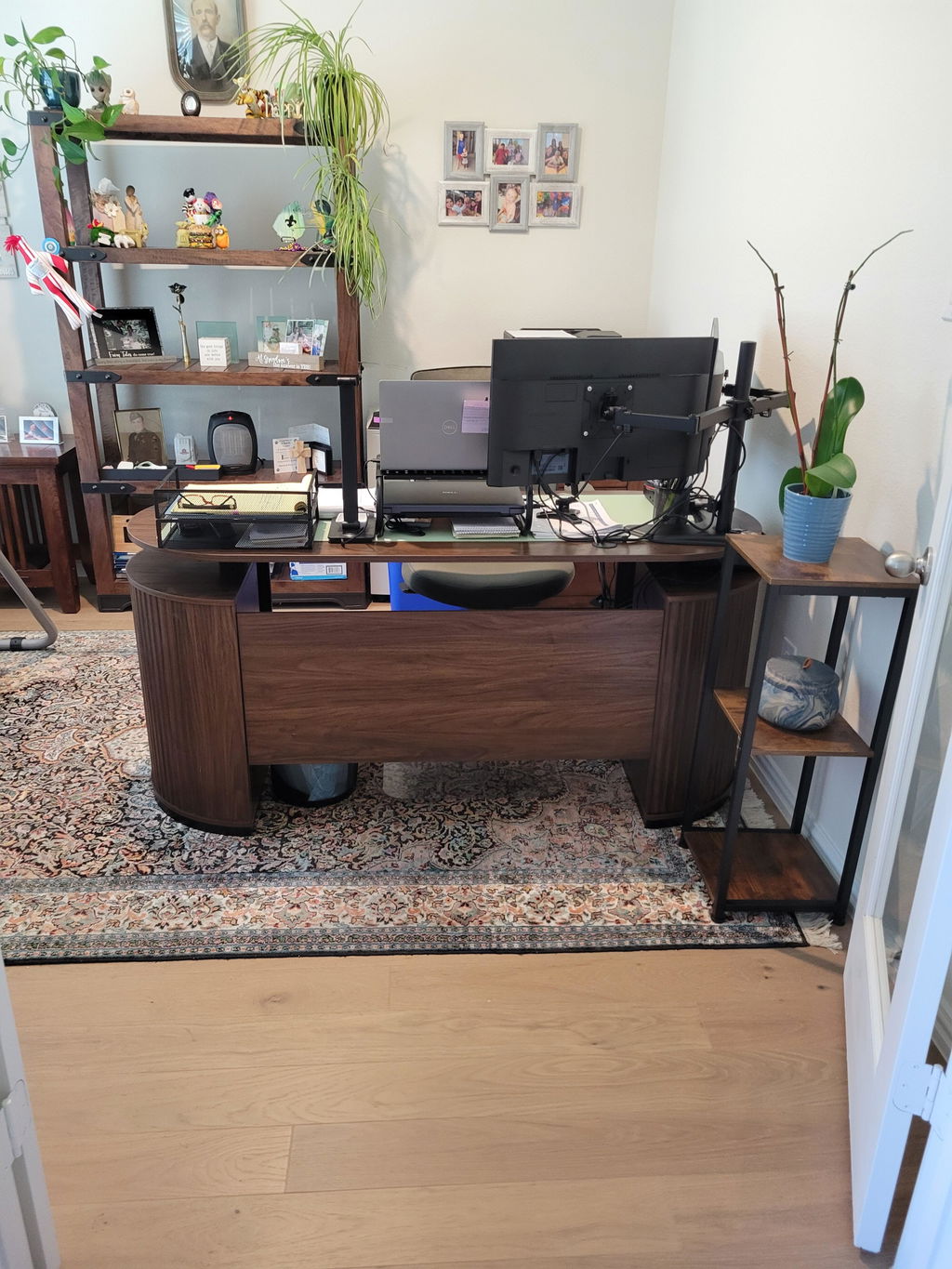
Beyond core mechanics, consider how a standing desk can integrate into your broader office system. If you use monitor arms or a dual-monitor setup, ensure the desk’s surface and frame can accommodate the mounting hardware and cable routing those configurations require. A neat, tidy under-desk space is a trigger for productive focus; look for integrated cable channels or easy pathways that prevent tangled cords from becoming a distraction or a hazard.
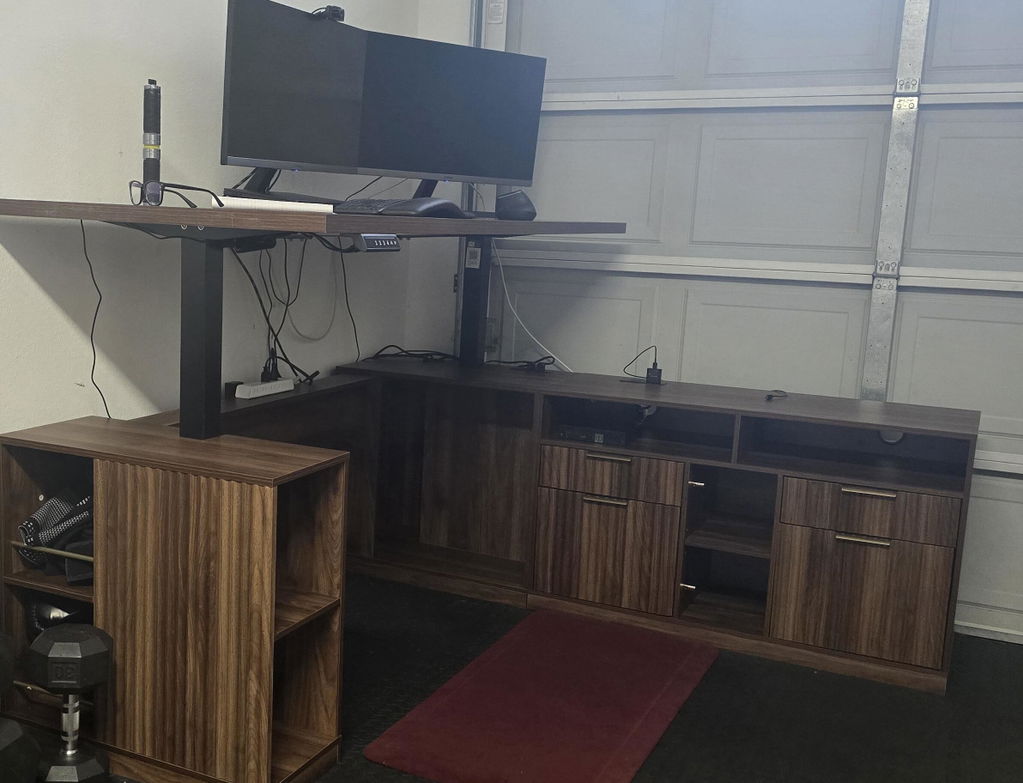
Choosing between a straight desk and an L-shaped desk is often less about one being inherently better than the other and more about how you split your tasks and how much corner space you can allocate. If your work involves heavy reference materials or dual-portrait monitor arrangements, an L-shaped desk can reduce the need to pivot and reach across the desk, while a straight desk can provide unobstructed space for writing, drawing, or layout work. The premium cadre desk makes both options feasible through its adaptive frame and solid engineering.
In this guide, we’ve focused on practical considerations that have a direct impact on your daily comfort and productivity, including stability, height range, configuration flexibility, memory presets, and load capacity. The following section translates these ideas into actionable steps you can take when evaluating options, measuring your space, and planning your next purchase.
Step-by-step planning for your standing desk
- Measure your space: Determine ceiling height, corner allowances, and any obstacles that might impact chair clearance or leg room.
- Assess equipment footprint: Take stock of your primary devices, including monitors, laptop, docking station, speakers, printers, and any peripheral stands.
- Decide on configuration: Choose straight or L-shaped based on room geometry and workflow patterns. If you often reference documents while typing, an L-shaped desk can be particularly useful.
- Set height targets: Establish preferred seated and standing heights based on your height and ergonomic guidelines (roughly eye level with the top of the monitors when seated; adjust for standing posture).
- Program memory presets: Use the digital control panel to store a few height settings, such as “sitting,” “short standing,” and “tall standing” for different users or tasks.
With the product placeholder in place, you’ll be able to inspect exact specs and the latest design details, including materials, warranty, and assembly instructions. Once you review the product card, you can tailor your layout choices to align with the precise dimensions and features of your selected model.
Practical workspace layouts and real-world usage
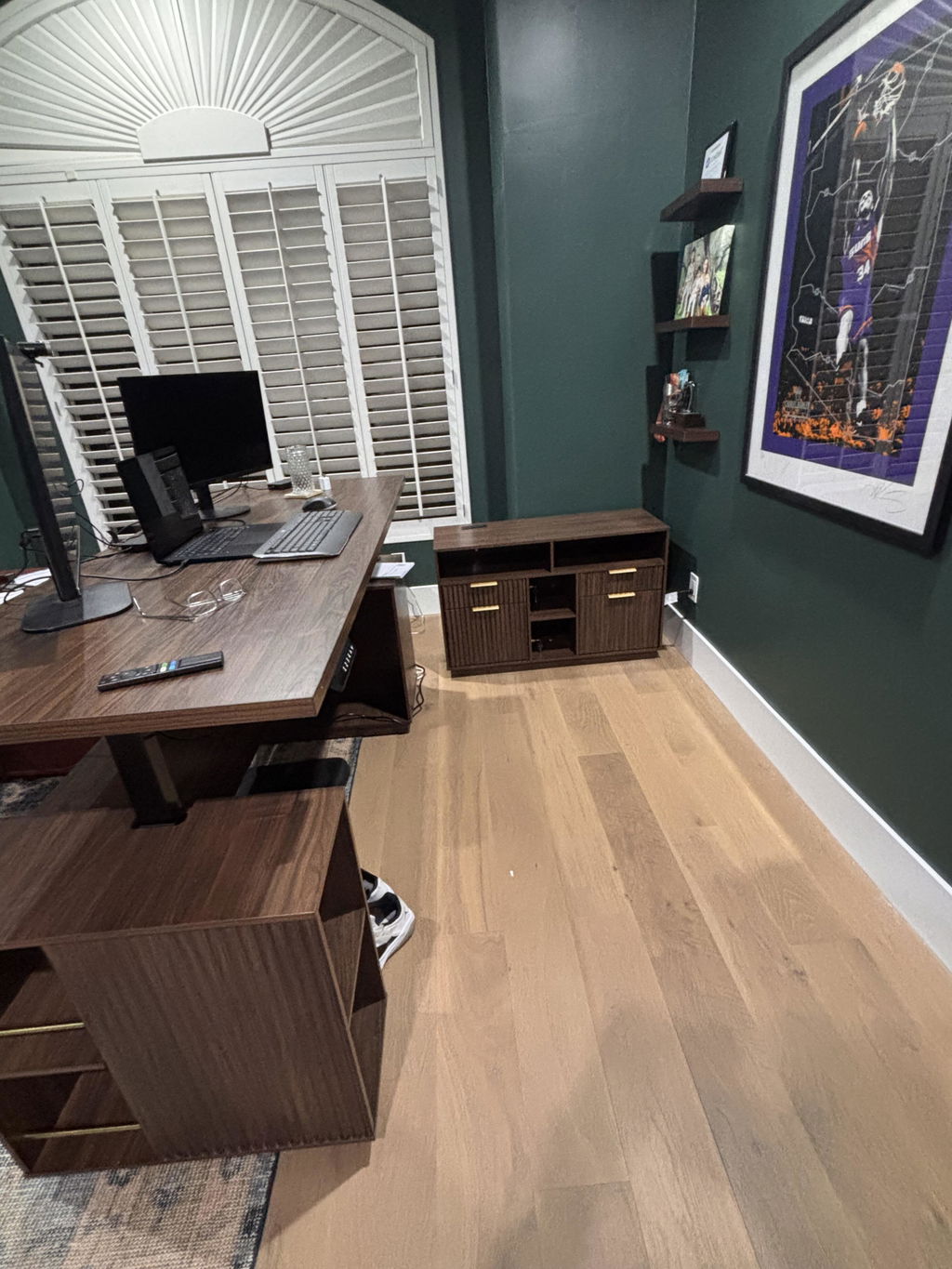
Consider a few common room configurations to see how this desk fits into your daily routines. If you have a home office that doubles as a study or creative space, an L-shaped footprint can provide dedicated zones for writing or sketching while still supporting a primary computer station. For a more minimalist space, a straight desk can keep the area feeling open while offering generous surface area for tasks that require broad, flat space, such as drafting or note-taking. In either arrangement, close-to-eye monitor placement, proper keyboard and mouse ergonomics, and adequate leg clearance at the front of the desk are critical to long-term comfort.
Tip: If you use a dual-monitor setup, position your primary monitor at the center, with the secondary monitor angled slightly toward you to minimize neck strain. Ensure there is ample space at the front of the desk to comfortably rest your forearms while typing, and consider a keyboard tray or a gliding keyboard position if your desk surface is too shallow for an ergonomic keyboard setup.
Maintenance, safety, and longevity
Regular maintenance extends the life of any motorized desk. Keep the frame clean and dry, check bolts with occasional inspections, and avoid overloading the surface with items beyond the recommended weight. When folding or reconfiguring, follow the manufacturer’s instructions to prevent misalignment or pinching hazards. A digital controller with memory presets is a durable feature, but it also benefits from occasional firmware updates or recalibration if provided by the brand. Protect the desk from excessive moisture and direct sunlight to maintain finish aesthetics and the integrity of the surface over time.
Conclusion: A flexible workstation that grows with you
Investing in a standing desk that can morph from a wide straight workstation into a dense corner layout reflects a modern approach to work life. The 81.7-126.2 Premium Cadre Standing Desk by HUANUO embodies that versatility, pairing a robust steel frame with thoughtful features like memory presets and dual configuration options. When you choose the right height, configure your space for your tasks, and keep your devices organized and accessible, you set the stage for improved productivity and better posture throughout your workday. As your needs evolve—from drafting and studying to drafting and collaboration—your desk should adapt with you, not hold you back.


Share:
How to Choose and Set Up the TS6 Triple Monitor Mount for Ergonomic, Efficient Workflows
How to Choose a Standing Desk for a Healthier, More Productive Home Office