



Why a standing desk matters for posture and productivity
In modern home offices, long hours seated can contribute to back pain, neck strain, and fatigue.
A properly chosen standing desk supports regular movement, better posture, and sustained focus by letting you switch between sitting and standing throughout the day. This article explores how to select a standing desk that fits your space, your workflow, and your budget, with a close look at features that make a real difference in daily use.
Define your needs before you shop
Before comparing models, map out your typical day. Do you rely on multiple monitors? Do you store supplies nearby? Will you use a fixed workspace with a chair, or a standing-only setup in a corner? Ask these questions to determine the most important features: range of height, stability at full extension, cable management, and available surface area.
Key criteria to evaluate
- Height range and ergonomics: A desk that goes from around 28 inches to 46 inches typically accommodates most users. The ability to fine-tune height for sitting and standing helps curb slouching and supports eye level alignment with screens.
- Weight capacity and lift speed: A robust motor and frame withstand daily use, with smooth transitions between heights and no joltiness.
- Stability at height: Look for desks with sturdy frames, wide stance, and secure leg design to minimize desk wobble when fully raised.
- Surface area and layout: Ensure the desk offers enough room for a keyboard, mouse, and monitors, plus any storage you need nearby.
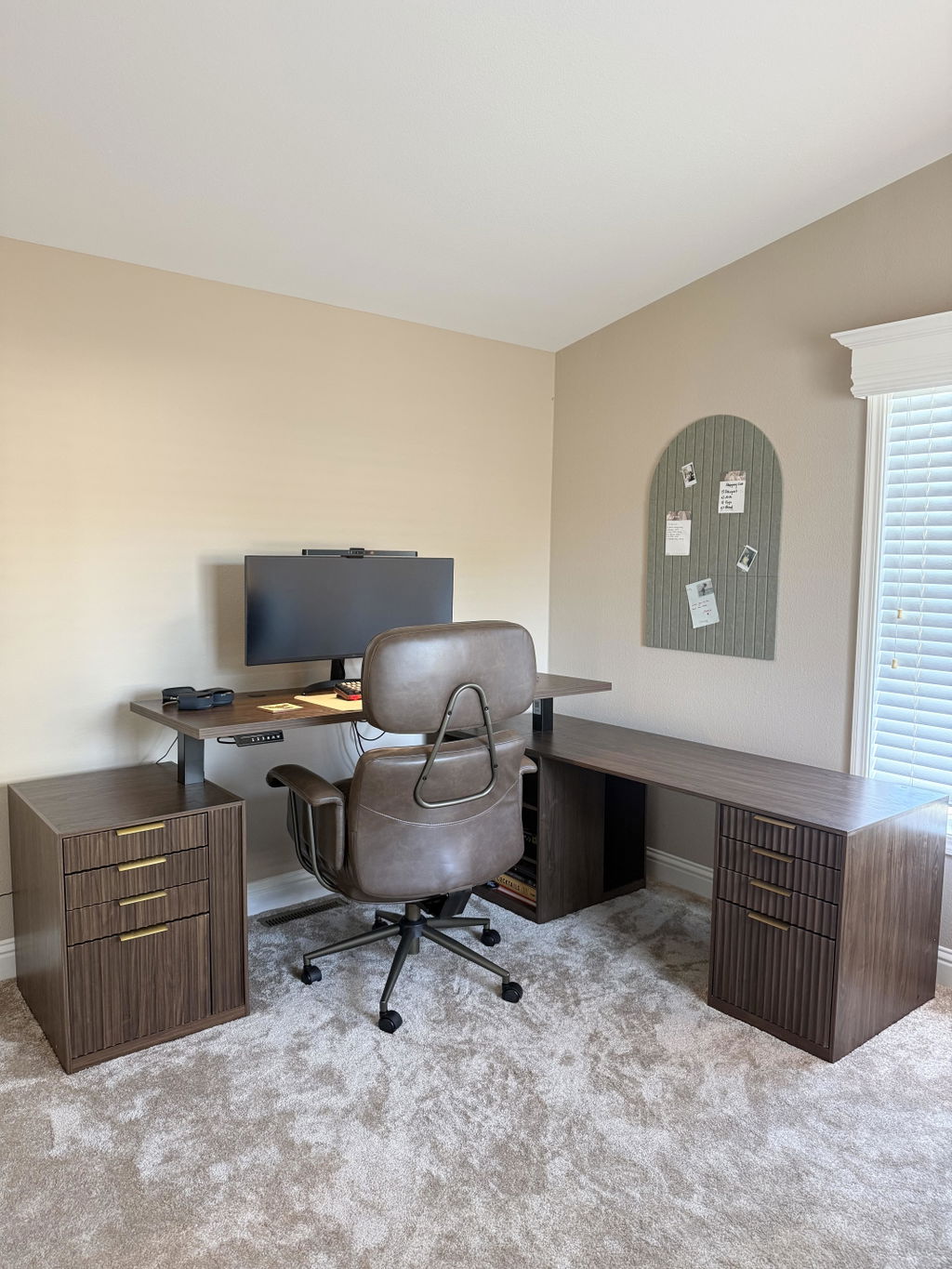
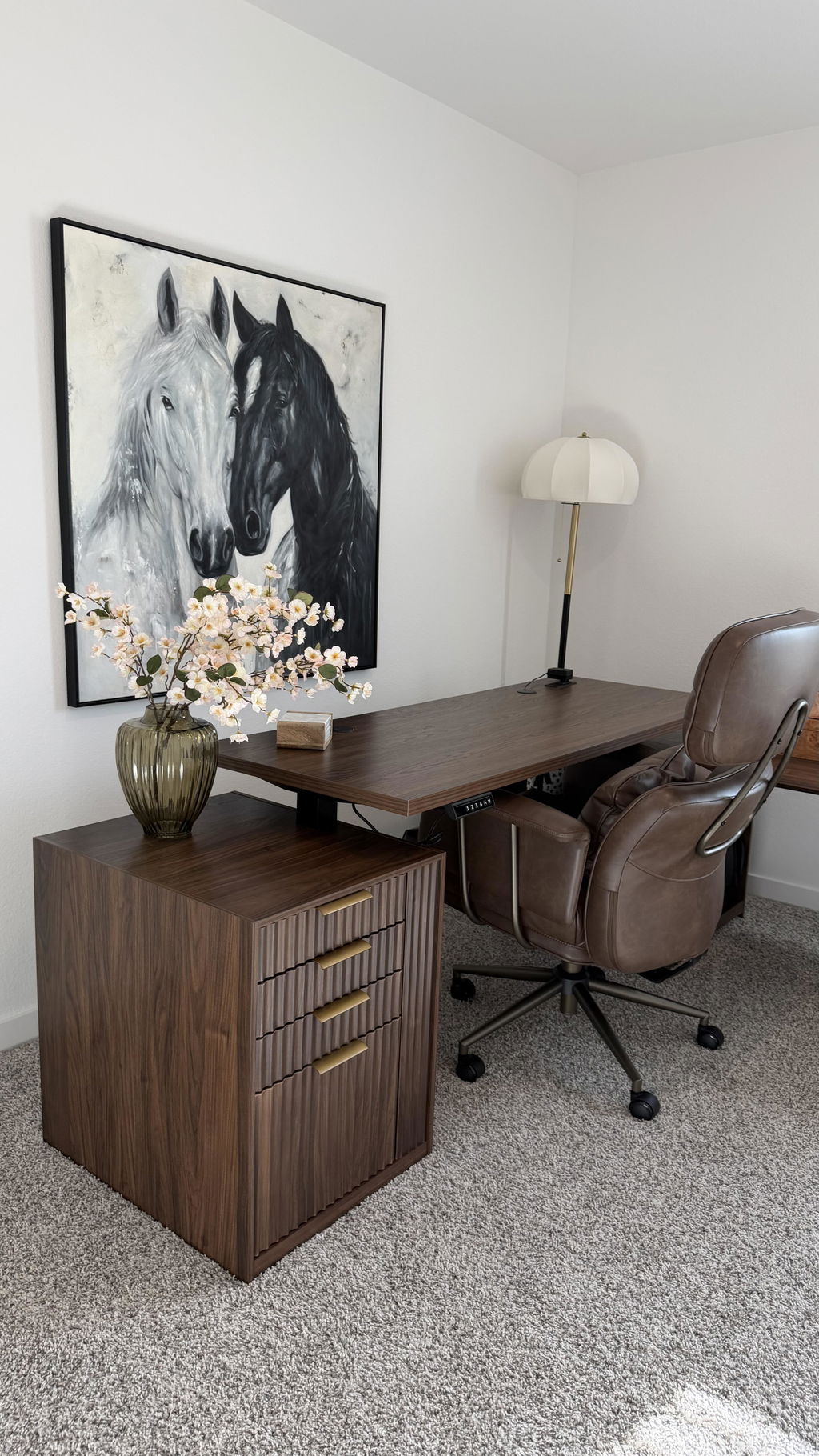
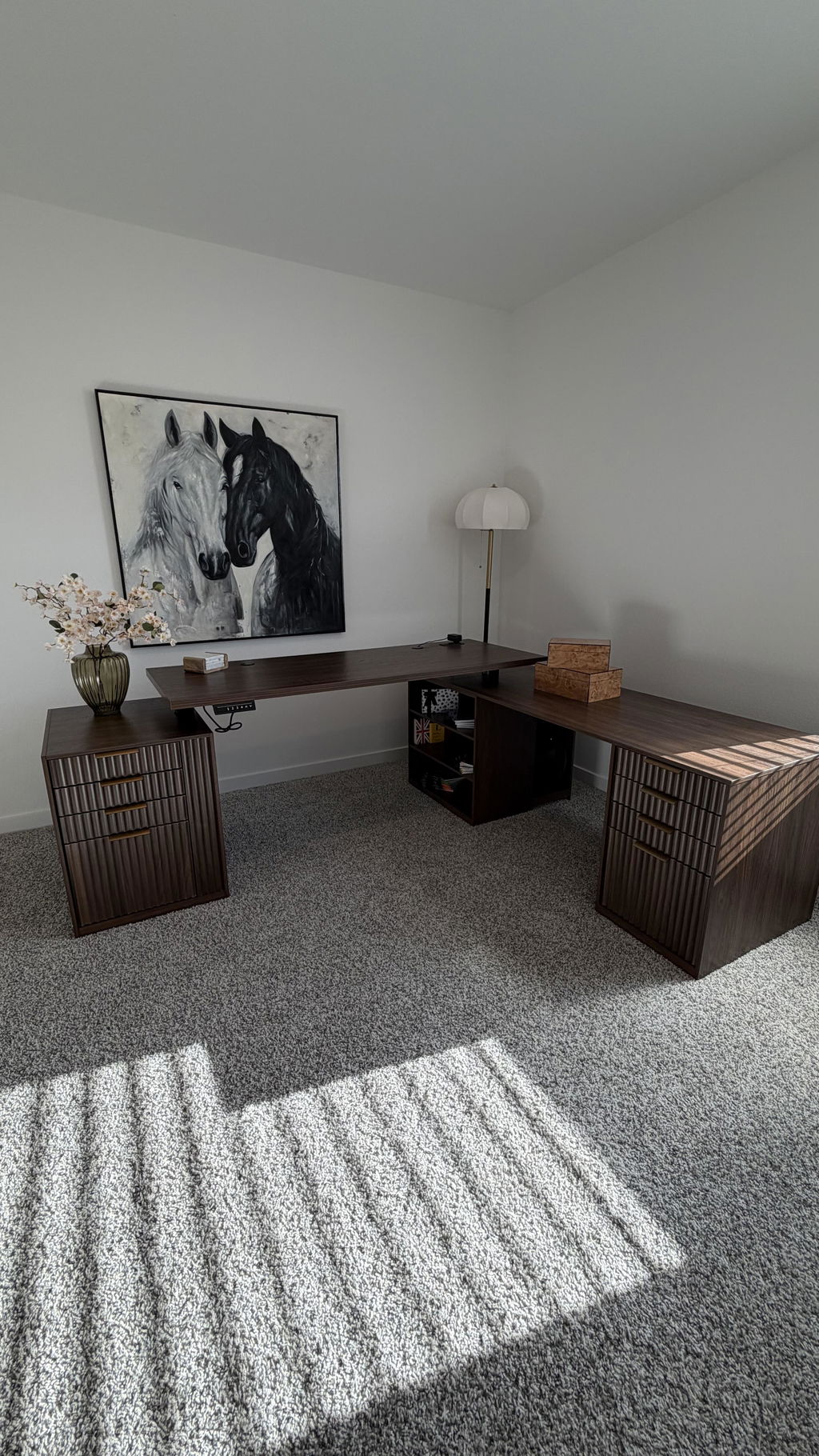
- Storage options: Drawers, cubbies, and monitor stands can reduce clutter, keep essentials close, and support a cleaner, more productive workspace.
- Monitor mounting and ergonomics: Decide between clamp mounts, monitor risers, or integrated monitor stands. Eye level alignment reduces neck strain and improves posture.
- Durability and warranty: Long-lasting frames and a motor designed for tens of thousands of lift cycles translate to better long-term value.
What matters in practice: features that support workflow
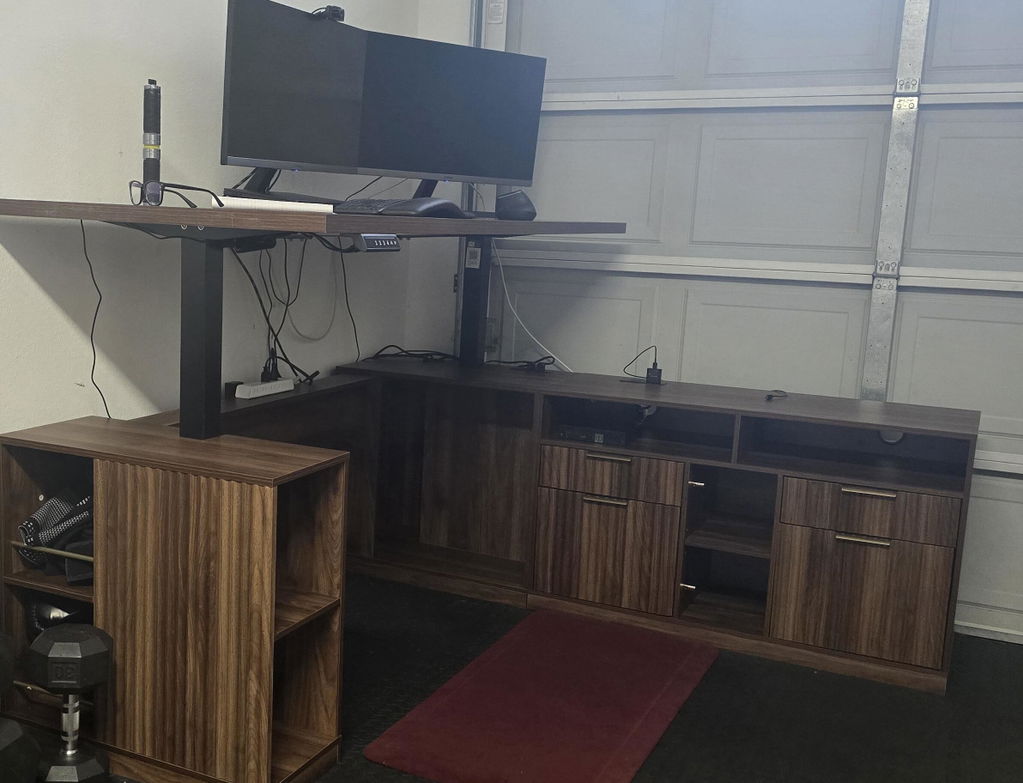
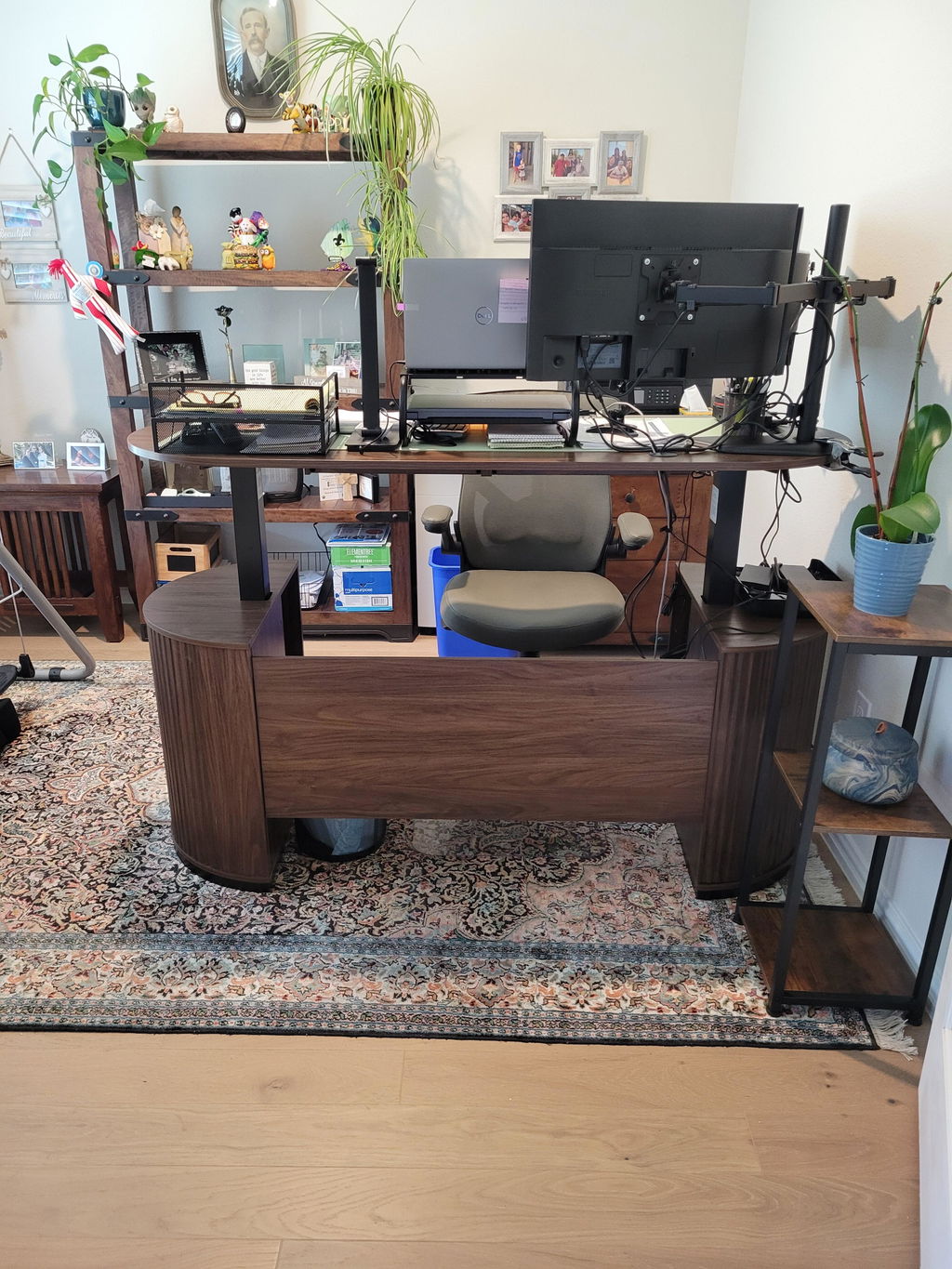
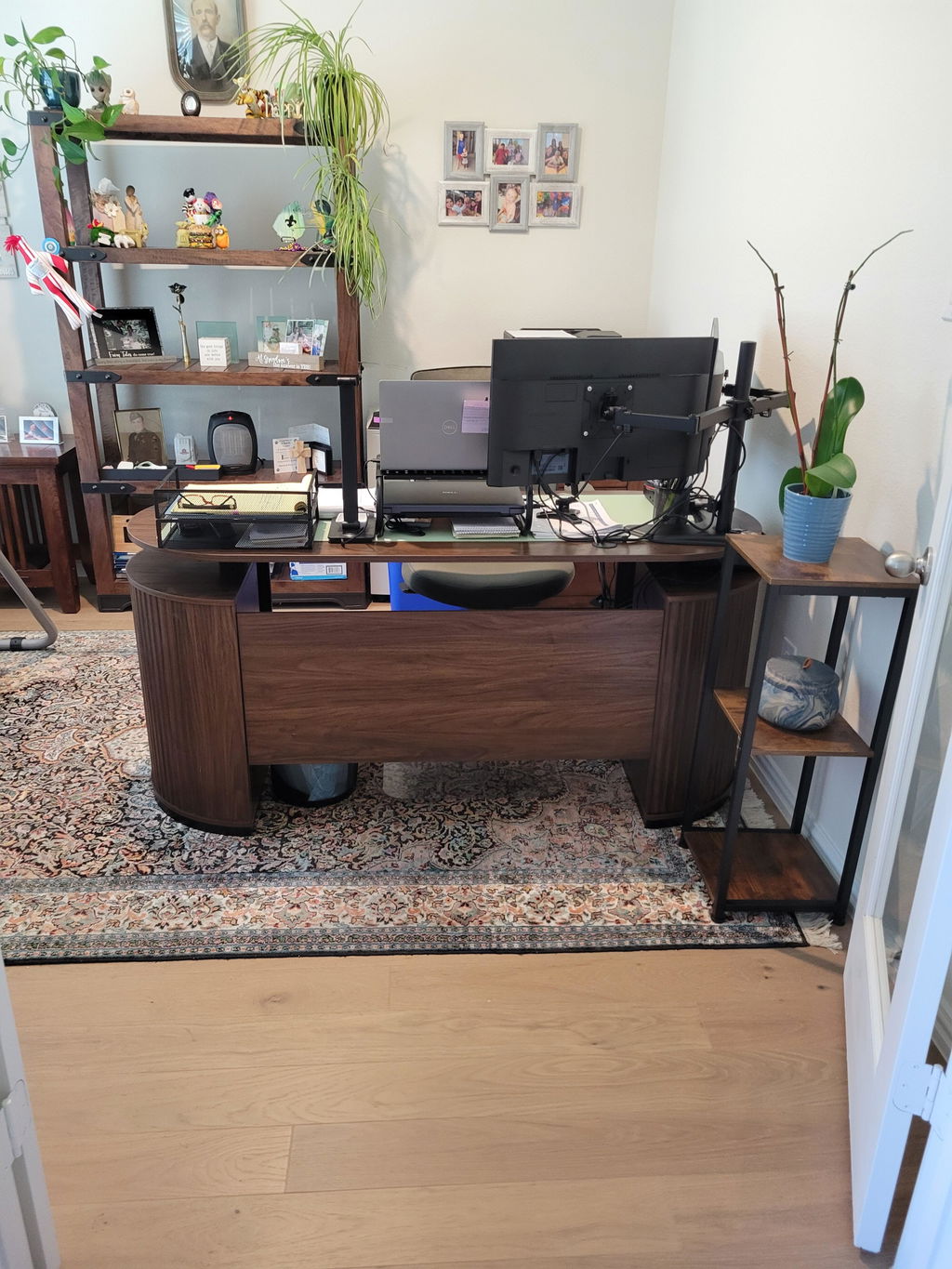
Desks designed with multi-zone storage, mobile keyboard trays, and built-in risers help you organize both digital and physical work. For example, two drawers for supplies keep pens, sticky notes, and cables out of sight; a monitor stand or riser places screens at an optimal height; and an open cubicle provides rapid access to books, manuals, and reference materials. When these elements align with your daily tasks, you’ll experience smoother transitions between tasks, less time spent hunting for tools, and fewer interruptions to your focus.
Understand the practical anatomy of a high-functioning standing desk
Height adjustability is the centerpiece of a standing desk, but it’s not the only factor. A well-designed model considers the following aspects:
- Stability and frame construction: Automotive-grade steel or heavy-duty alloys create a stable base, even when raising or lowering quickly.
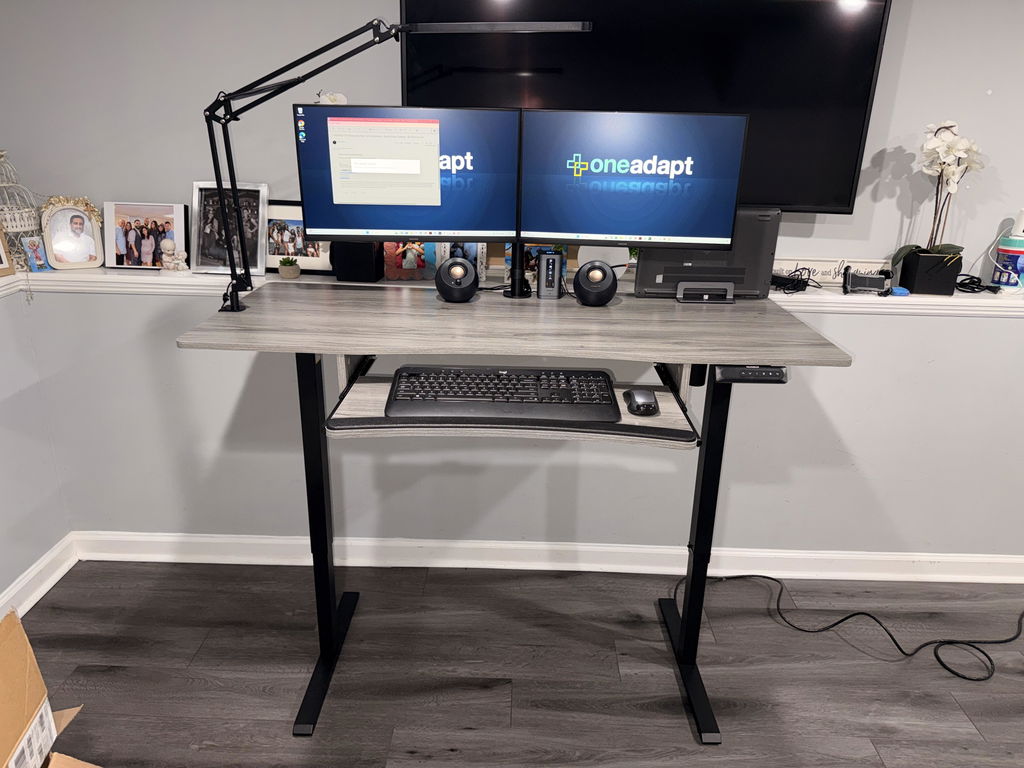
- Keyboard tray: A roomy, cushioned keyboard tray supports comfortable typing with a wrist rest, helping to maintain neutral wrists and reduce fatigue over long sessions.
- Surface area: A 26.7” x 16.8” keyboard tray is ample for a full-size keyboard and mouse while leaving room for document holders or a small pad.
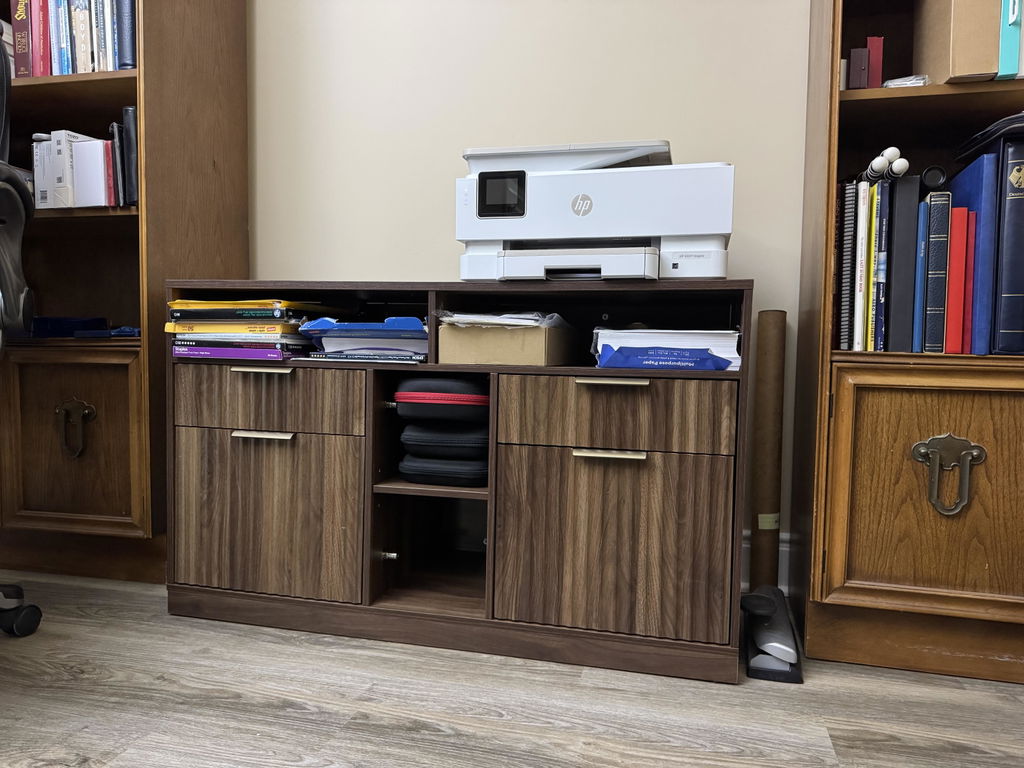
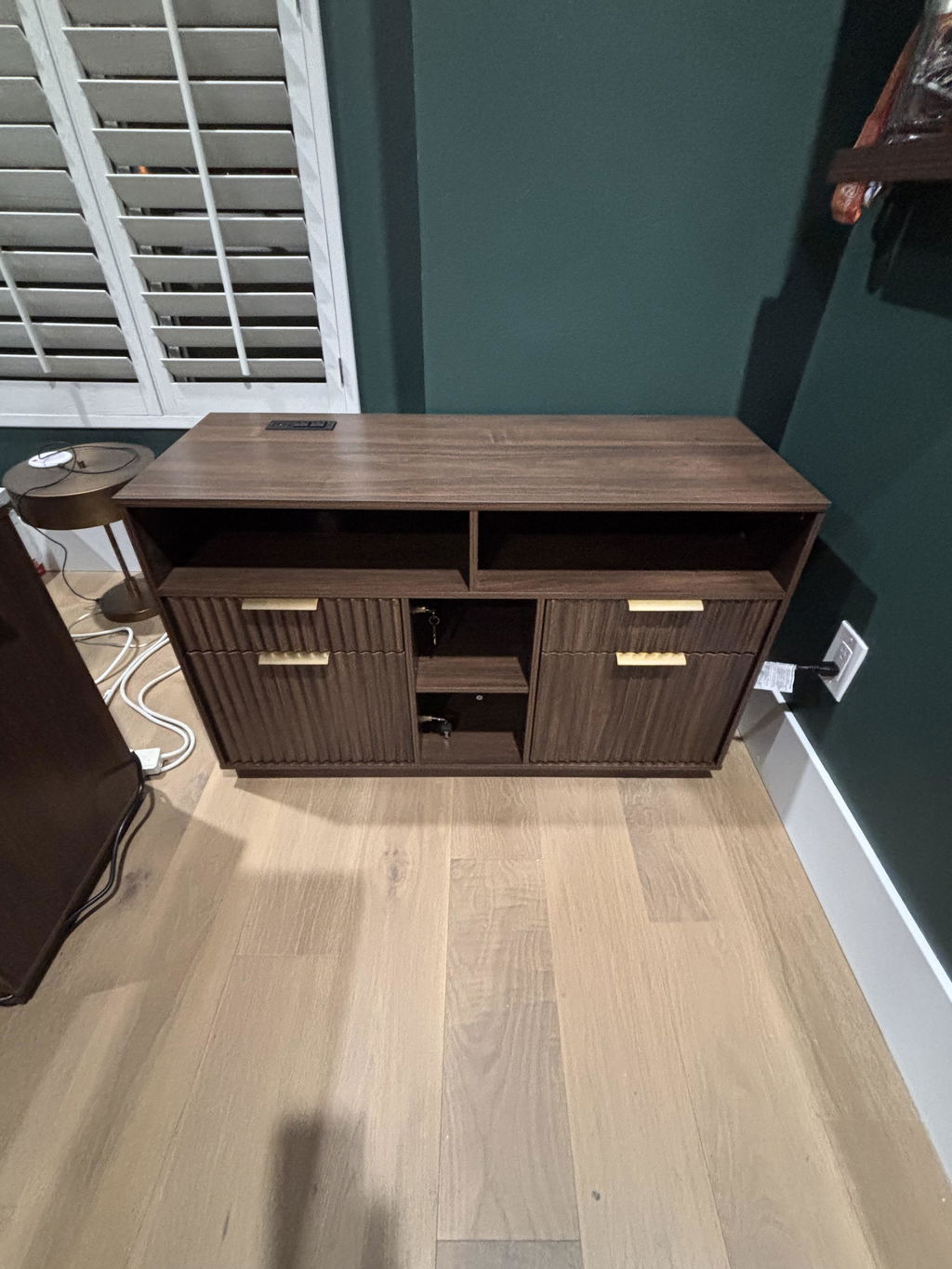
- Integrated storage: Drawers and cubbies keep office essentials accessible without crowding the main work surface.
- Monitor and accessory mounting: A clamp-ready rear panel or riser improves eye-level alignment and can support accessories like a microphone, light, or secondary monitor.
How to choose based on your daily workflow
Start by sketching your typical workflow: how many screens do you use, what devices do you access, and where do you place reference materials? If your desk position has beverage cups or notebooks nearby, storage and cable management become priorities to keep your workspace safe and tidy. For people who frequently switch between tasks, a wide height range and quick-adjust mechanisms reduce downtime and support a natural rhythm throughout the day.
Incorporating storage and accessibility
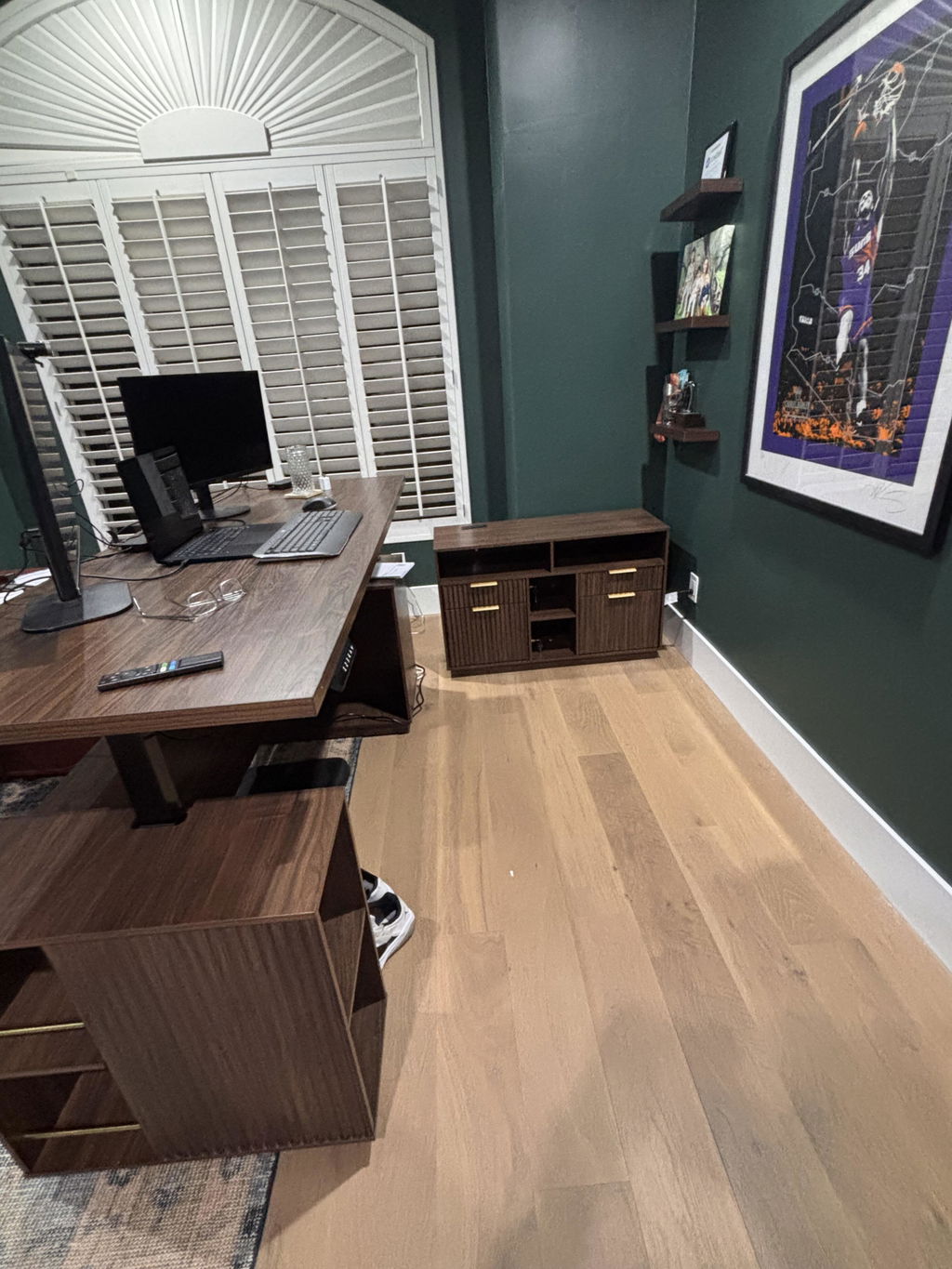
Two drawers give you a quick home for pens, post-its, and small tools, while an open cubicle can hold reference books or manuals you need at hand. A monitor stand or a monitor riser places screens at eye level so you don’t crane your neck, and a large, cushioned keyboard tray ensures comfortable typing posture. When storage and ergonomic surfaces are well-integrated, you’ll spend less time organizing and more time producing.
Setting up and maintaining your standing desk for long-term comfort
Height adjustability is only part of the equation. After you’ve chosen a desk, position it to optimize ergonomics and workflow. Place your primary monitor directly in front of you, at roughly arm’s length, with the top of the screen at or slightly below eye level. Pair the desk with an adjustable chair that supports lumbar curvature and a standing-friendly mat if you will stand for longer periods. Regular movement, micropauses, and deliberate posture checks complement the benefits of sit-stand desks by promoting circulation and reducing fatigue.
Practical starter checklist for your first week
- Measure your space to ensure the desk fits and allows comfortable legroom from sitting to standing.
- Test the height range and ensure smooth transitions without wobble.
- Set up monitor height using a stand or riser to eye level; adjust keyboard tray and wrist rest for neutral posture.
- Organize storage so frequently used items are within easy reach.
- Plan cable management to minimize clutter and snag risks.
Conclusion: make a decision that supports daily productivity
Choosing a standing desk is about balancing ergonomics, durability, and your personal workflow. A model with a generous height range, durable motor, stable construction, and integrated storage can simplify your day and reduce physical strain. By prioritizing features like a large, cushioned keyboard tray, an integrated monitor stand, and flexible mounting options, you’ll be well-equipped to adapt your workspace as needs evolve. Start with a clear sense of your most common tasks and workspace constraints, compare desks with those criteria in mind, and consider how features align with your daily routines. Remember that the best desk isn’t the most expensive or the flashiest—it’s the one that helps you stay healthy, focused, and productive over the long haul.


Share:
How to Build a Flexible Home Office with the 63-Inch Premium Topaz Standing Desk
How to Build an Ergonomic Dual-Monitor Workspace with the HM5 Vertical Mount for 17–32-Inch Screens