



Rethinking the workstation: why a standing desk can transform your day
Across home offices, co-working spaces, and hybrid workplaces, the ability to move between sitting and standing isn’t just a convenience — it’s a health and productivity lever. A standing desk with dual risers and hidden storage can simplify transitions between tasks while keeping essentials within reach. When you invest in a desk with thoughtful design, you’re not just buying a surface; you’re adopting a workflow that supports focus, circulation, and long-term comfort.
Key features that matter when evaluating a dual-riser desk
Before choosing, consider how the desk will fit your body, your space, and your daily routines. The following features are particularly impactful for a dynamic home office setup:
- Height range: A wide range lets users of different heights alternate between sitting and standing with proper elbow alignment. For many, a range like 27.5" to 46.4" accommodates most adults across a variety of chairs and standing postures.
- Riser speed and stability: A smooth, quiet lift (e.g., 18 mm/s) and a stable platform reduce micro-movements that can distract during deep work.
- Weight capacity: A higher load rating (such as 176 lbs) ensures you can equip monitors, peripherals, and occasional décor without compromising performance.
- Programmable presets: Four presets let multiple users quickly switch between their preferred heights with a single press, supporting shared spaces or families with varied needs.
- Desktop size and layout: A 48" desktop offers ample space for a laptop, monitor(s), documentation, and personal items while leaving room for an organized workflow.
- Storage and organization: Hidden drawers plus an open cubicle minimize clutter and provide accessible, secure storage for stationery, cables, or small tools.
- Ergonomic edges: Contoured front edges and rounded corners help reduce wrist and forearm strain during long sessions.
- Monitor mounting and compatibility: A desk designed to work with clamp mounts or monitor risers increases flexibility for eye-level positioning.
- Ease of installation and adjustability: Features such as a rear platform edge can improve compatibility with mounting systems and allow for cleaner cable management.
What this HUANUO desk offers in a practical package
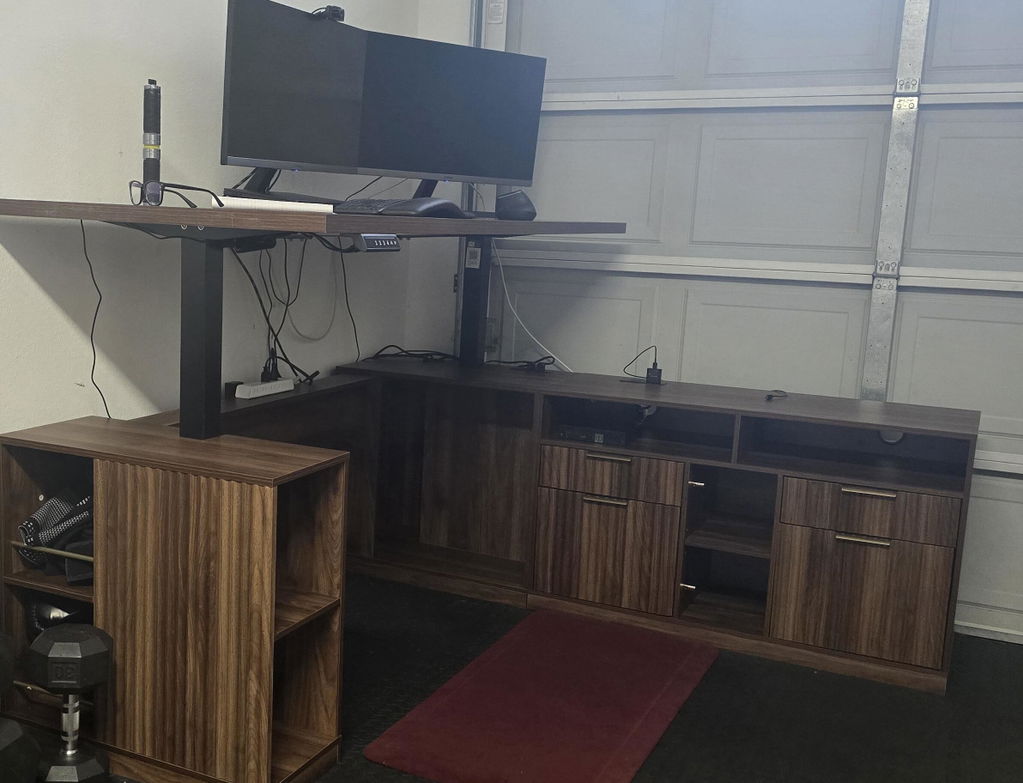
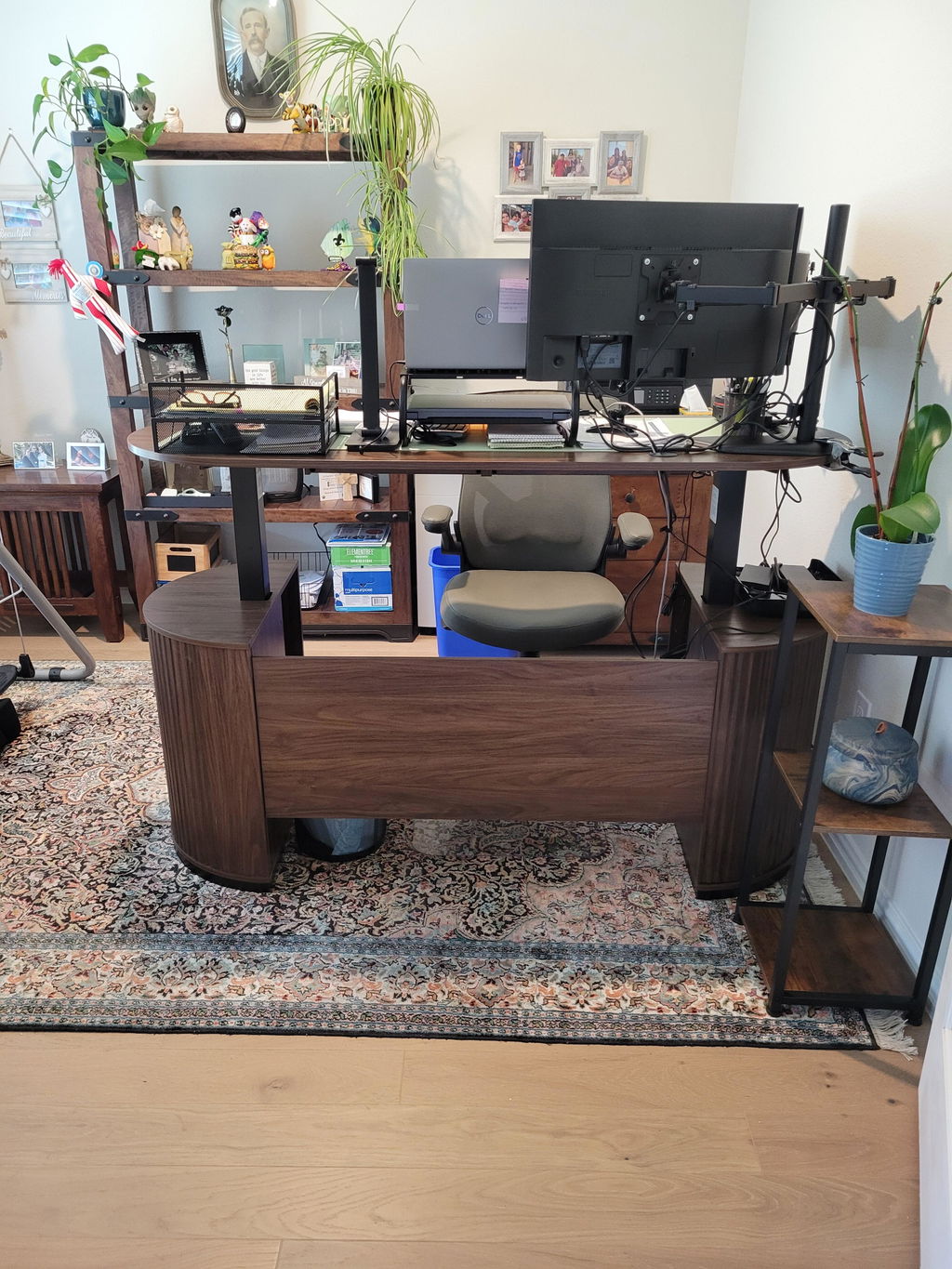
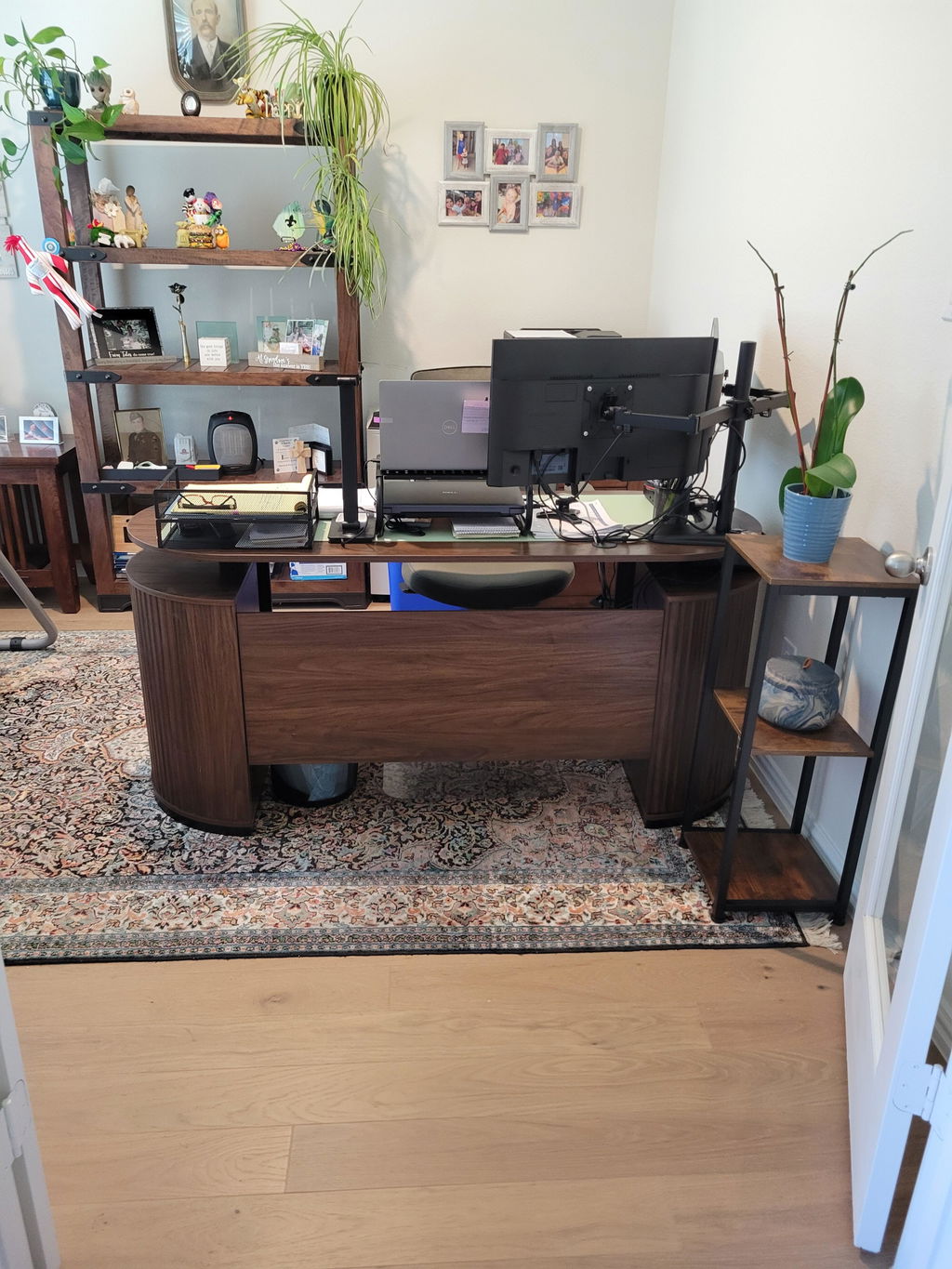
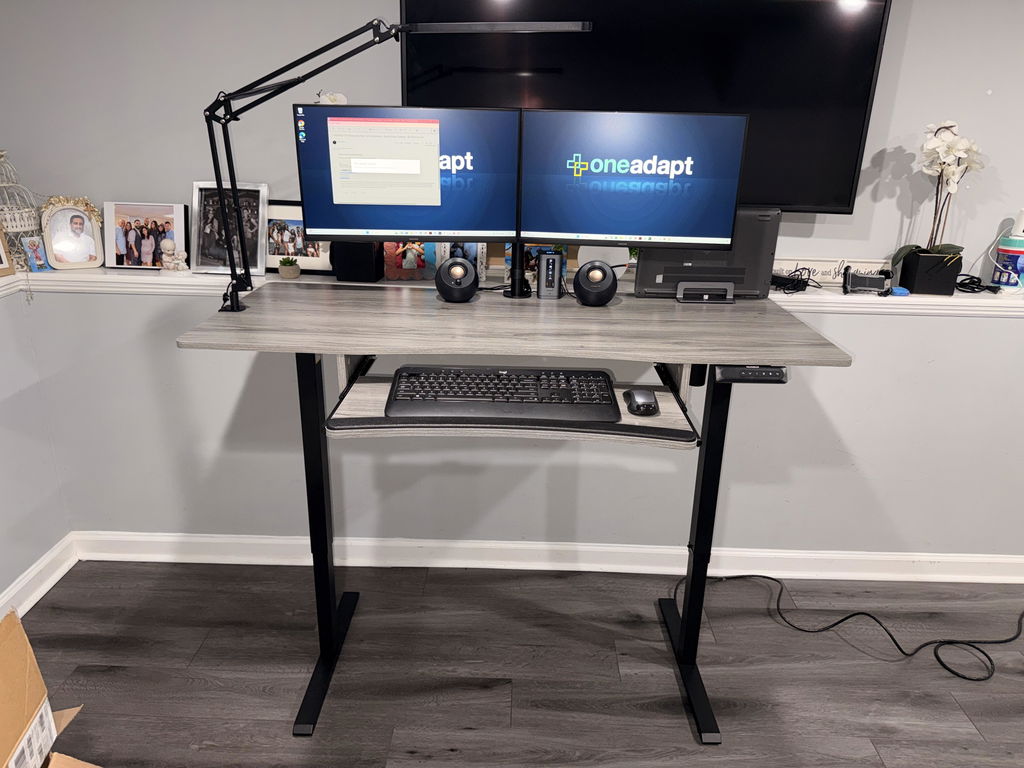
Consider a unit that combines a robust height range with practical storage and ergonomic refinements. The Standing Desk with Dual Riser & Drawers delivers the following:
- Flexible height adjustment across a broad range to accommodate sitting and standing postures for diverse users.
- A 48" desktop that provides ample space for monitors, keyboards, documents, and personal accents.
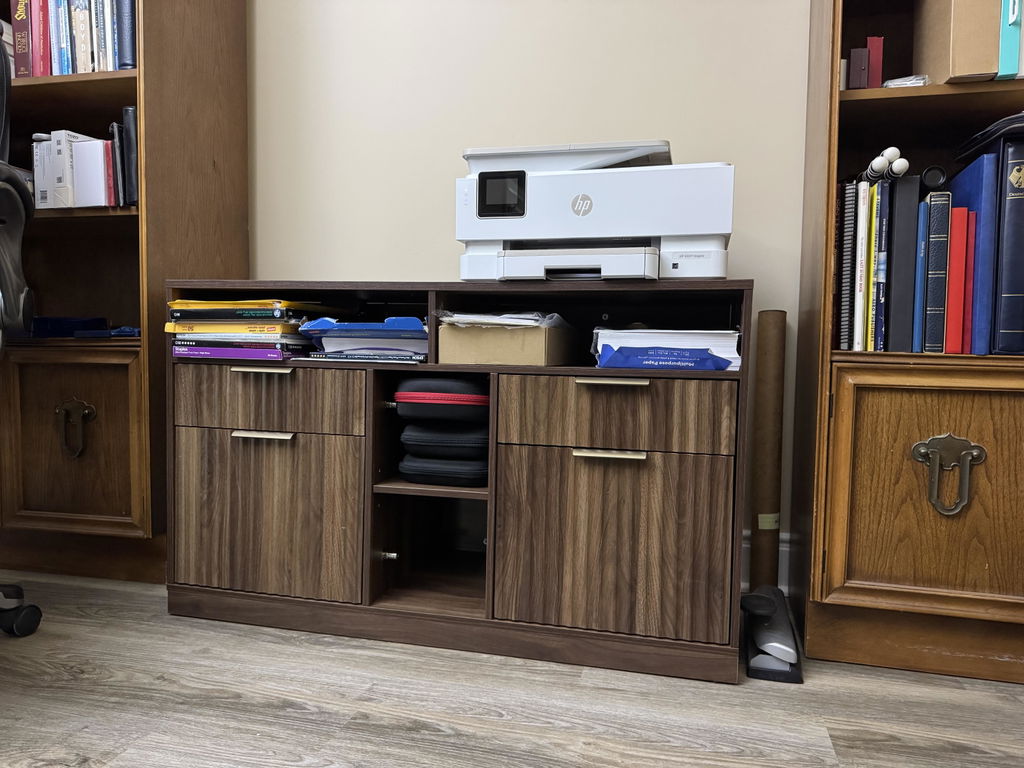
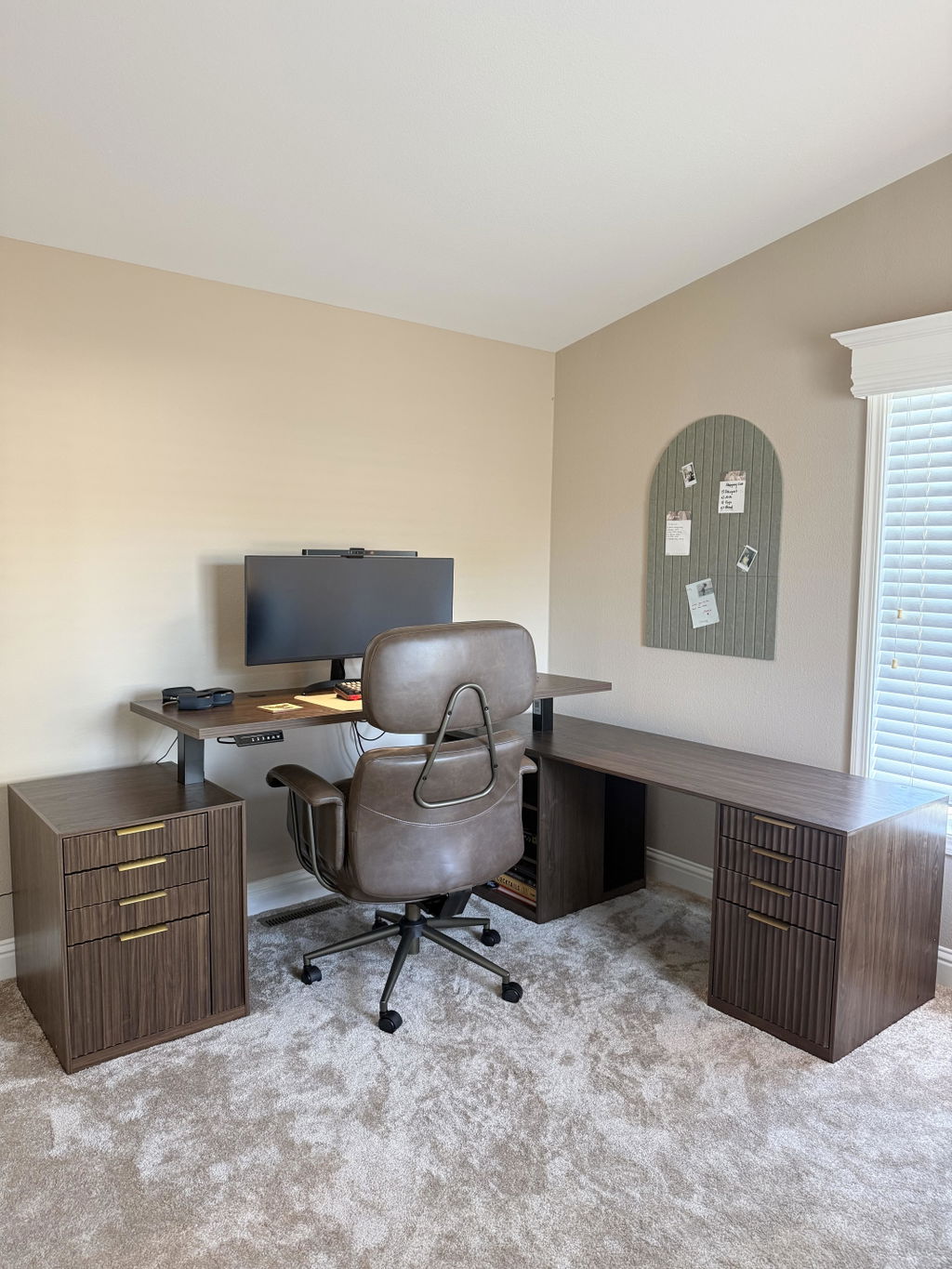
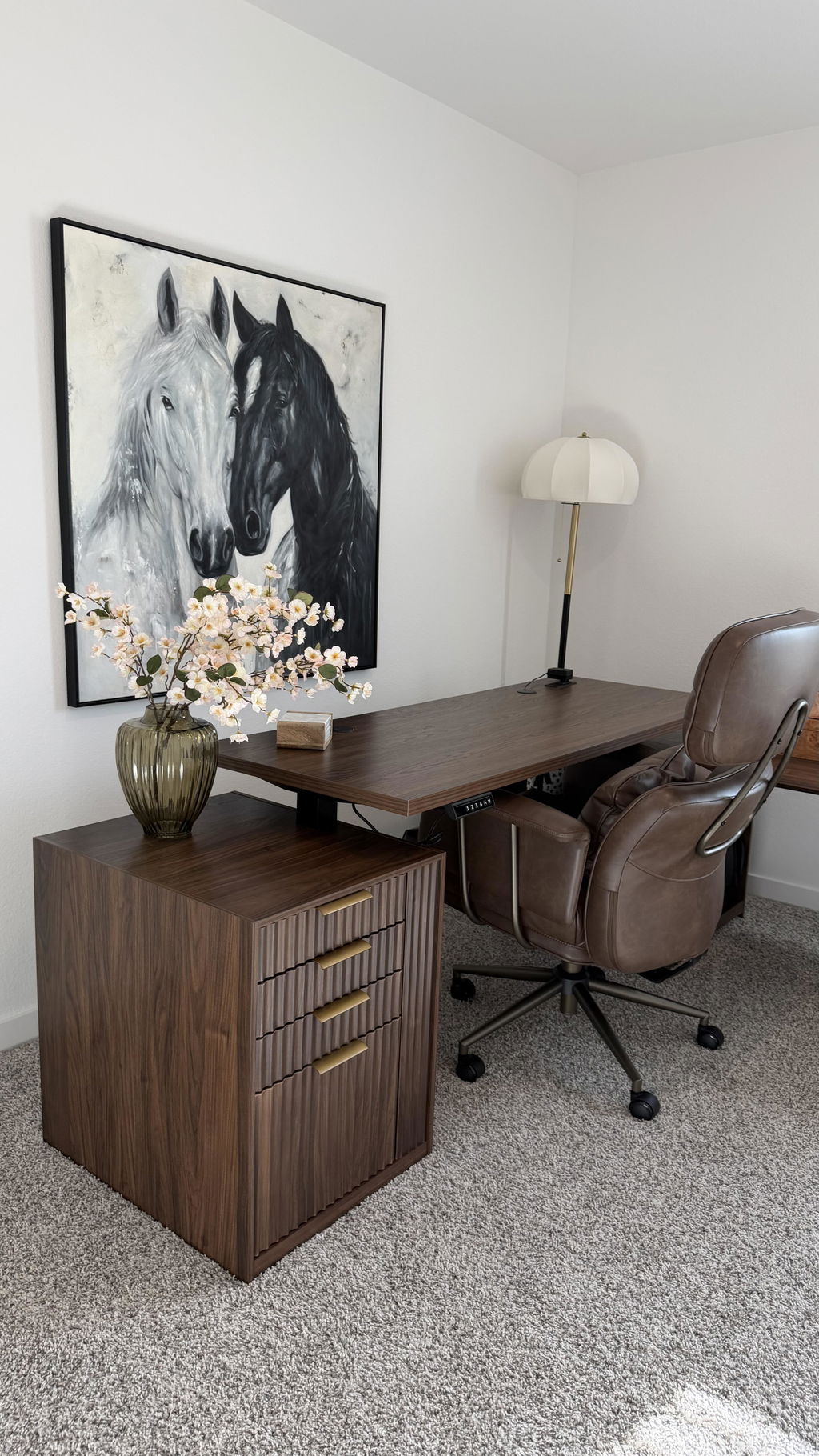
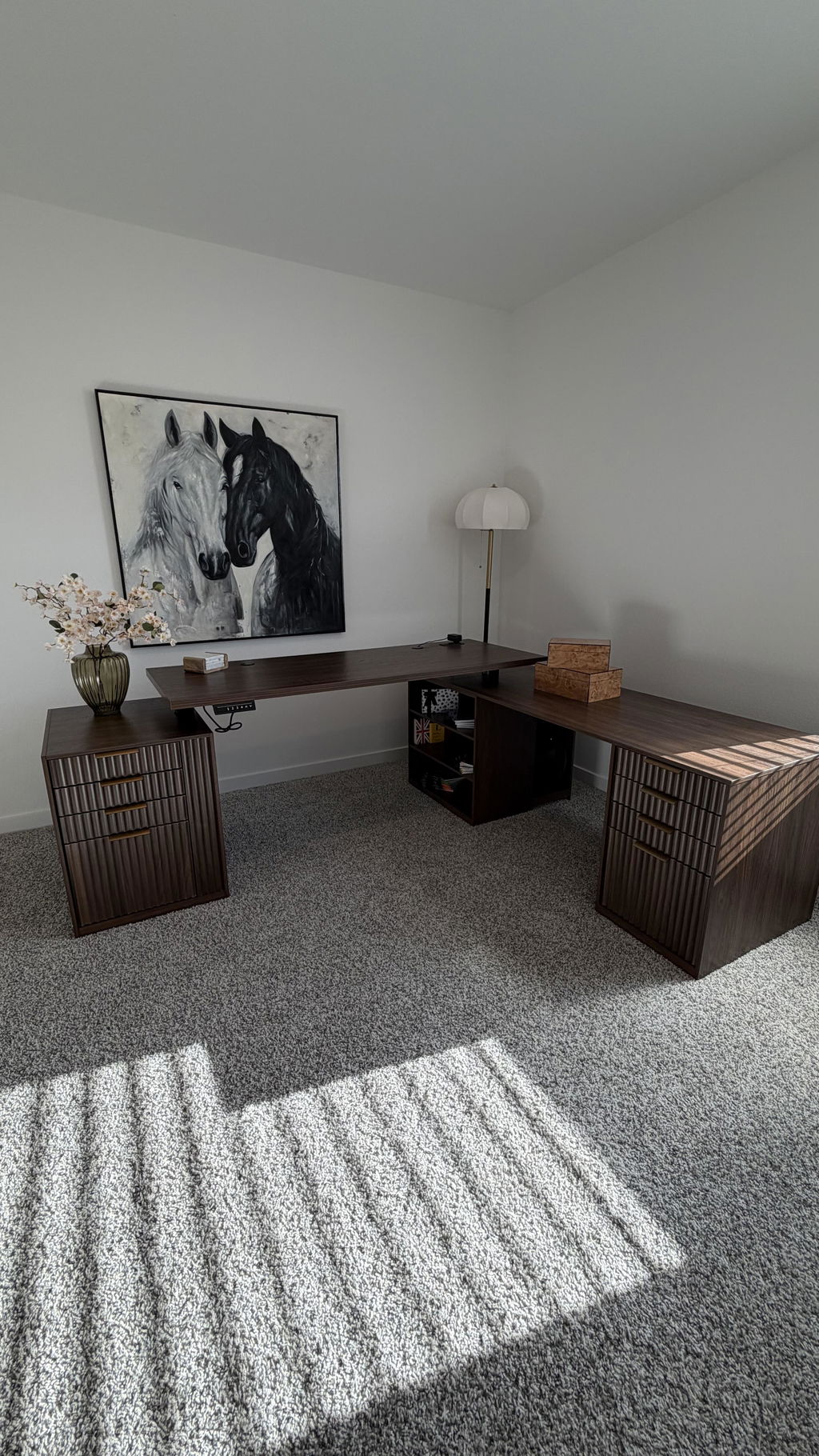
- Two hidden drawers plus an open cubicle that help you stay organized without sacrificing workspace visibility.
- Gently contoured front edges and rounded corners to reduce wrist and forearm strain during long work sessions.
- Compatibility with C-clamp mounting and an extended rear platform edge for flexible monitor positioning.
- A strong load capacity and smooth lifting speed to support everyday hardware and a comfortable workflow.
How to decide if this desk fits your needs
Use these three questions to ground your decision:
- How many users will regularly work at this desk, and do you need quick height switching for multiple profiles?
- Do you require significant storage space for documents, peripherals, or personal items, and is a two-drawer plus open cubicle configuration sufficient?
- Is there enough floor space for a 48" desktop, and will the desk accommodate your monitor layout and cable management plans?
Ergonomic considerations for sit-stand work
Ergonomics isn’t just about height. It’s about sustaining comfort and reducing risk during long work sessions. Here are practical guidelines to maximize the benefits of a sit-stand desk:
- Elbow height and desk height: When seated, your elbows should rest at about 90 degrees with your forearms parallel to the floor. When standing, the desk height should allow your wrists to remain in a neutral position as you type.
- Monitor alignment: Position the top of your monitor at or slightly below eye level and about an arm’s length away to reduce neck strain.
- Movement cadence: Alternate between sitting and standing in short blocks (10–30 minutes) to avoid fatigue and encourage circulation.
- Keyboard and mouse placement: Keep them close to you, with a neutral wrist posture. A keyboard tray or an elevated riser can help achieve a good height alignment.
- Footwear and flooring: Wear supportive shoes and consider a anti-fatigue mat if you’re standing for extended periods.
Planning your space: layout, cables, and accessibility
A well-planned workspace reduces clutter and supports efficient workflows. Measure your available floor space and map out where the desk will sit relative to power outlets, lighting, and foot traffic. Cable management matters more with adjustable desks because the cords move with you. Look for desks that offer integrated cable channels or grommets, and plan for a simple charging solution or a small surge protector under the desk.
When you’re selecting a desk that includes a dual riser and built-in storage, consider how you’ll access drawers and the open cubicle while you’re standing or seated. The design should allow easy reach without forcing awkward postures as you switch between tasks or adjust the desk height.
Installation, maintenance, and long-term care
Most adjustable desks arrive with assembly instructions and hardware for a straightforward setup. To ensure longevity and consistent performance, keep these tips in mind:
- Follow the manufacturer’s weight guidelines and avoid overloaded configurations that could impede smooth operation.
- Periodically check fasteners and joints for tightness to maintain stability as the desk ages.
- Clean the surface with a soft, damp cloth and avoid harsh chemicals that could damage the finish.
- Keep the motor paths clear of obstructions and ensure there’s adequate clearance around the desk for full range of motion.
Making the most of your sit-stand setup
Beyond the hardware, the real value comes from habitual use and thoughtful configuration. Here are ways to maximize productivity and comfort:
- Create a standing baseline: Start each day with a set height and gradually introduce standing intervals as your body adapts.
- Use presets for shared spaces: If multiple people use the same desk, four presets allow instant height changes without fiddling with controls.
- Pair with an appropriate monitor riser: Elevating monitors to eye level reduces neck flexion and promotes better posture.
Conclusion: investing in a smarter, healthier workflow
Choosing a standing desk with dual risers and embedded storage can be a smart investment in your health, productivity, and space efficiency. By prioritizing height range, stability, storage, and ergonomic considerations, you create a flexible workstation that supports varied tasks, heights, and user needs. The right desk is not just a piece of furniture; it’s a framework for a healthier, more focused workday.


Share:
How to Choose a 59-Inch Premium Henge Standing Desk for an Ergonomic Home Office
How to Choose an Ergonomic Drafting Chair for a High-Desk Workspace: The HUANUO Premium Juno Chair Advantage