



Rethinking Storage in a Small Home Office
When square footage is precious, every inch of your space needs to work harder. A rolling storage cabinet offers a simple, adaptable solution that combines the accessibility of an open shelf with the containment of a traditional cabinet. It can bridge the gap between a cluttered desk and a pristine workspace by providing dedicated zones for supplies, paperwork, and bulkier items that would otherwise crowd your desk. In this guide, you’ll learn how to evaluate rolling cabinets for your home office, how to configure them for practical use, and how to integrate the right piece into your broader design scheme. By understanding what matters in construction, mobility, and layout, you’ll turn a small office into a functional, inviting environment that supports focus and productivity.
Why a Rolling Cabinet Makes Sense for Home Offices
Rolling cabinets are more versatile than fixed storage because they can move with you as your needs shift. A few core advantages include:
- Mobility: Four 360° casters with braking systems allow you to reposition the cabinet without lifting, which is especially helpful in collaborative spaces or compact rooms where furniture must adapt to different tasks.
- Accessible organization: A mixed storage layout—such as two wide top drawers, three standard drawers on the right, and a left door cabinet for bulkier items—keeps frequently used supplies within reach while freeing desk space for your primary work surface.
- Space efficiency: A compact profile with a 26-inch height and a width that accommodates common desk footprints lets you tuck the cabinet beside or under the desk without crowding the room.
- Quiet operation: Durable bottom-track metal slides deliver smooth, quiet pulls that minimize distractions during concentration and video calls.
What to Look for in a Rolling Storage Cabinet
Choosing the right cabinet depends on more than just aesthetics. Consider these factors to ensure long-term value and real-world usefulness:
- Storage layout: Look for a configuration that matches your workflow. A two-drawer top layer for commonly used tools, a row of drawers for supplies, and a cabinet for larger items is a practical starting point for many home offices.
- Internal dimensions and capacity: Drawer depth and height determine what fits. For example, wide drawers should accommodate reams of paper, notebooks, or bulky folders, while standard drawers fit smaller supplies and electronics accessories.
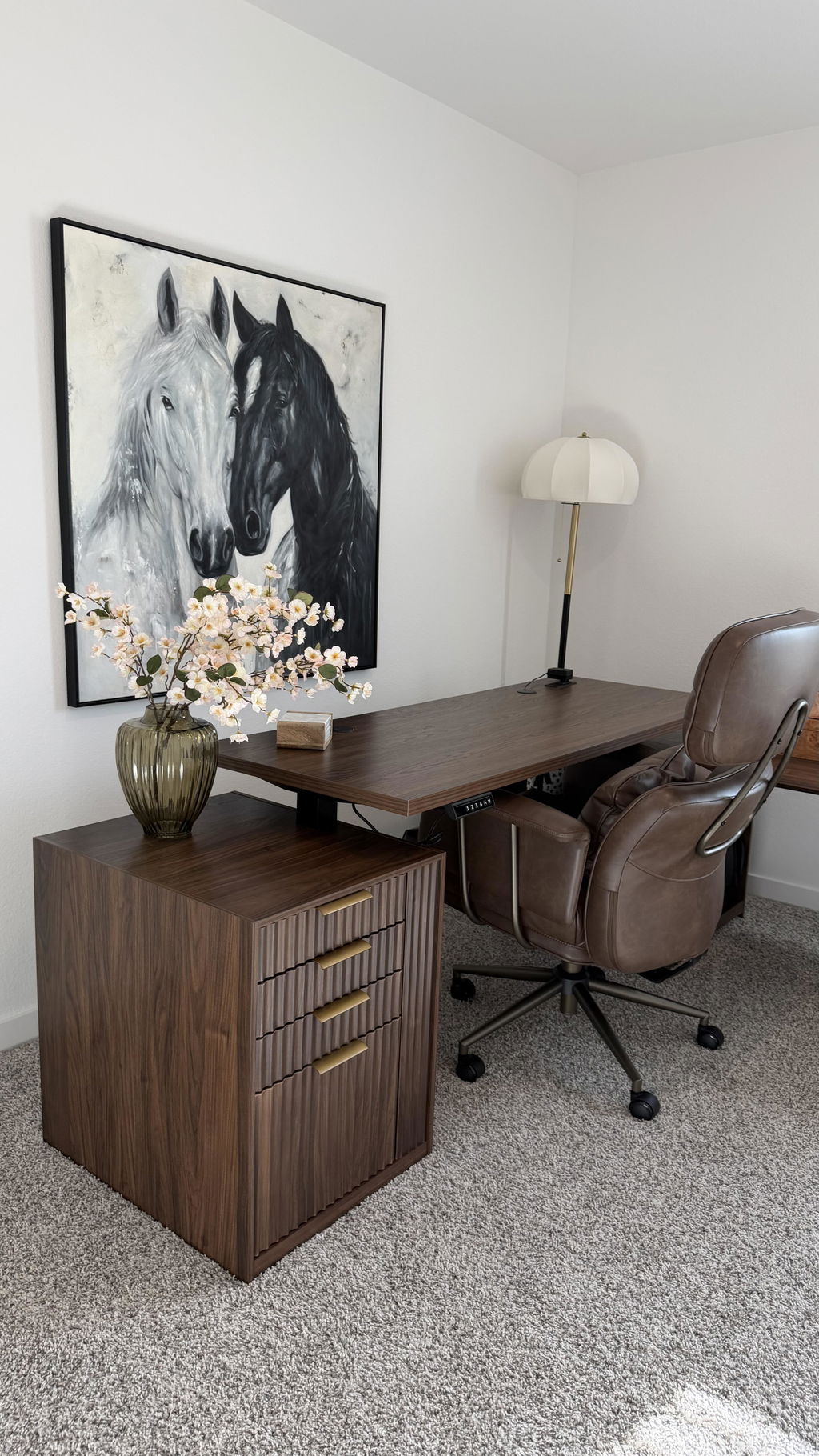
- Materials and finish: A wooden body with fluted panel fronts creates a refined look that pairs well with both modern and traditional interiors. Metal hardware should feel sturdy and smooth to operate.
- Mobility features: Four casters with a braking system enable safe movement and stable parking. Consider the minimum clearances needed to roll the cabinet around corners or under desks.
- Durability and maintenance: Look for bottom-track metal rails that resist binding and ensure long-term reliability with minimal maintenance.
Configuring the Premium Ritual Cabinet for Real-World Use
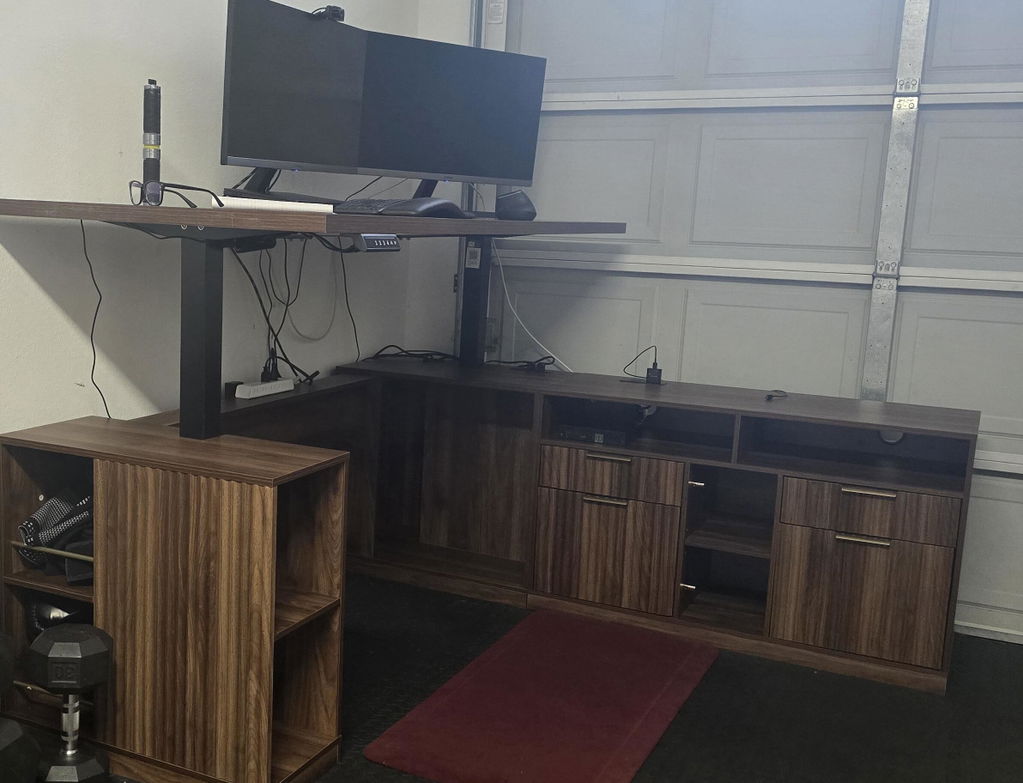
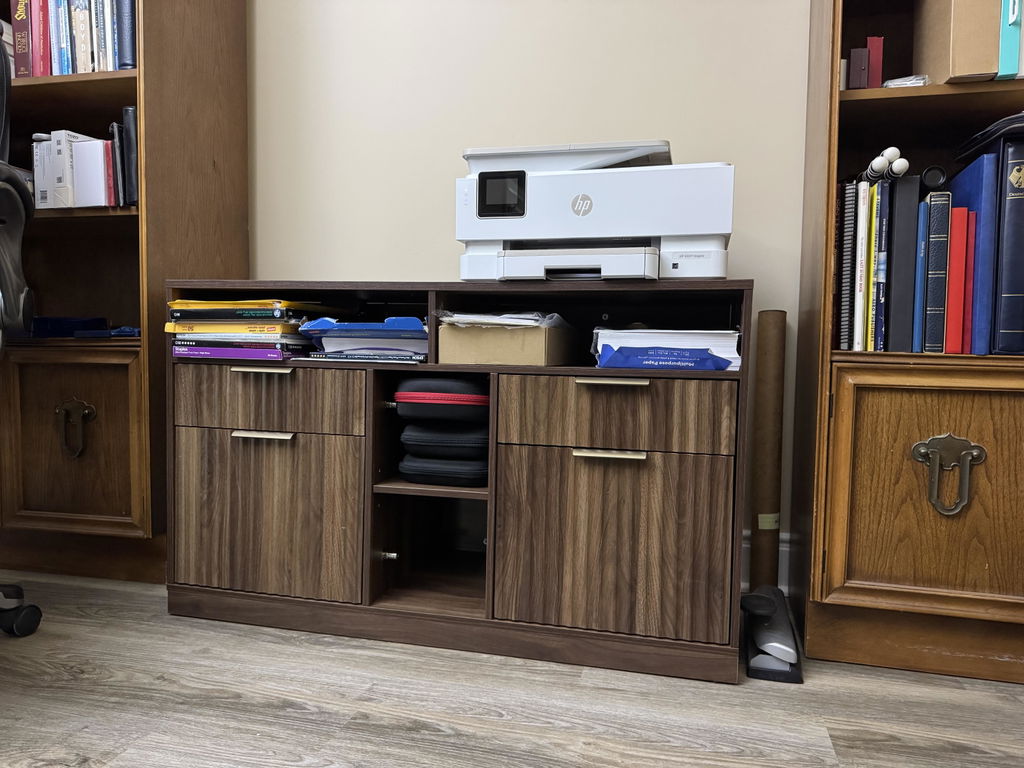
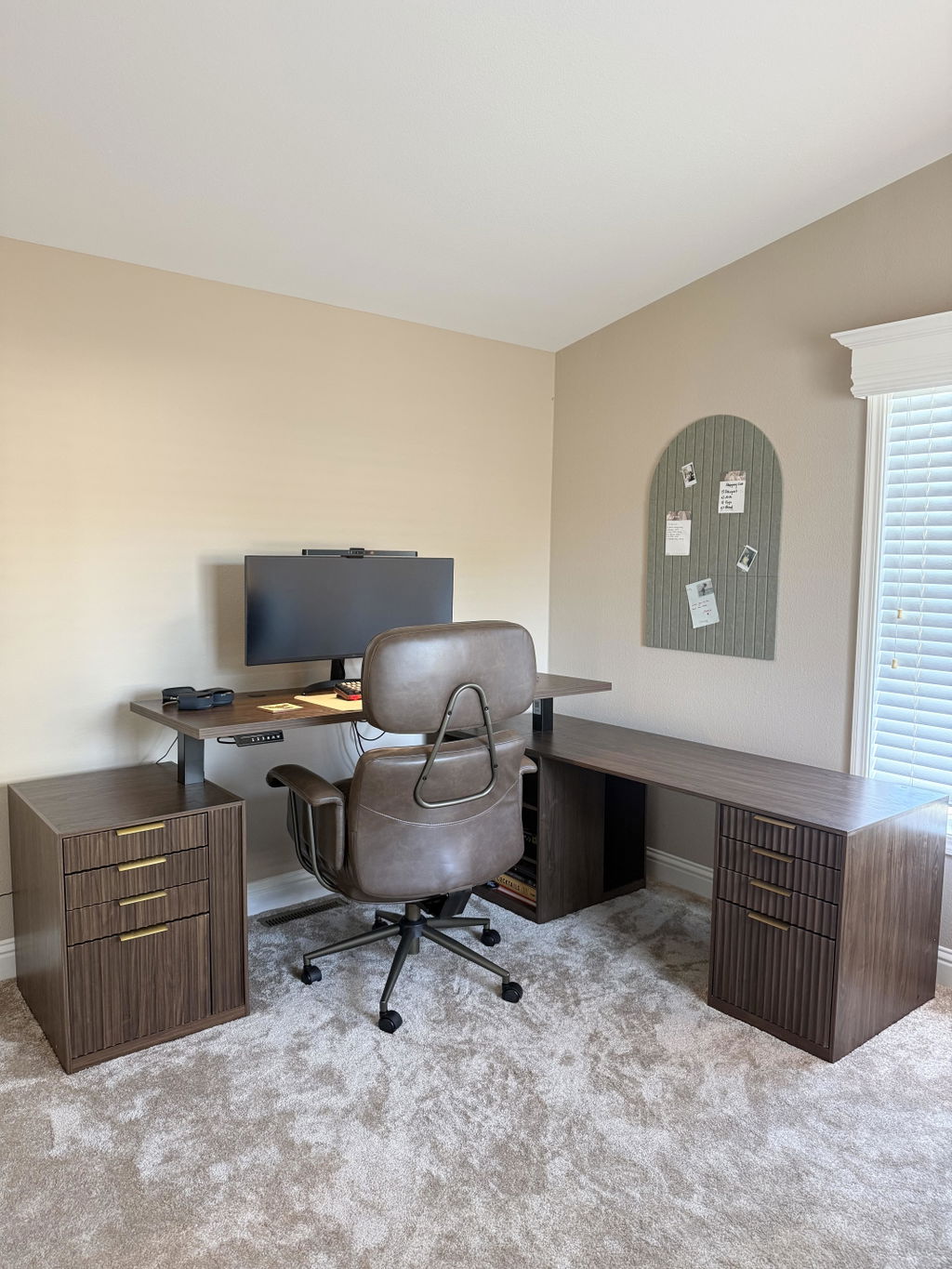
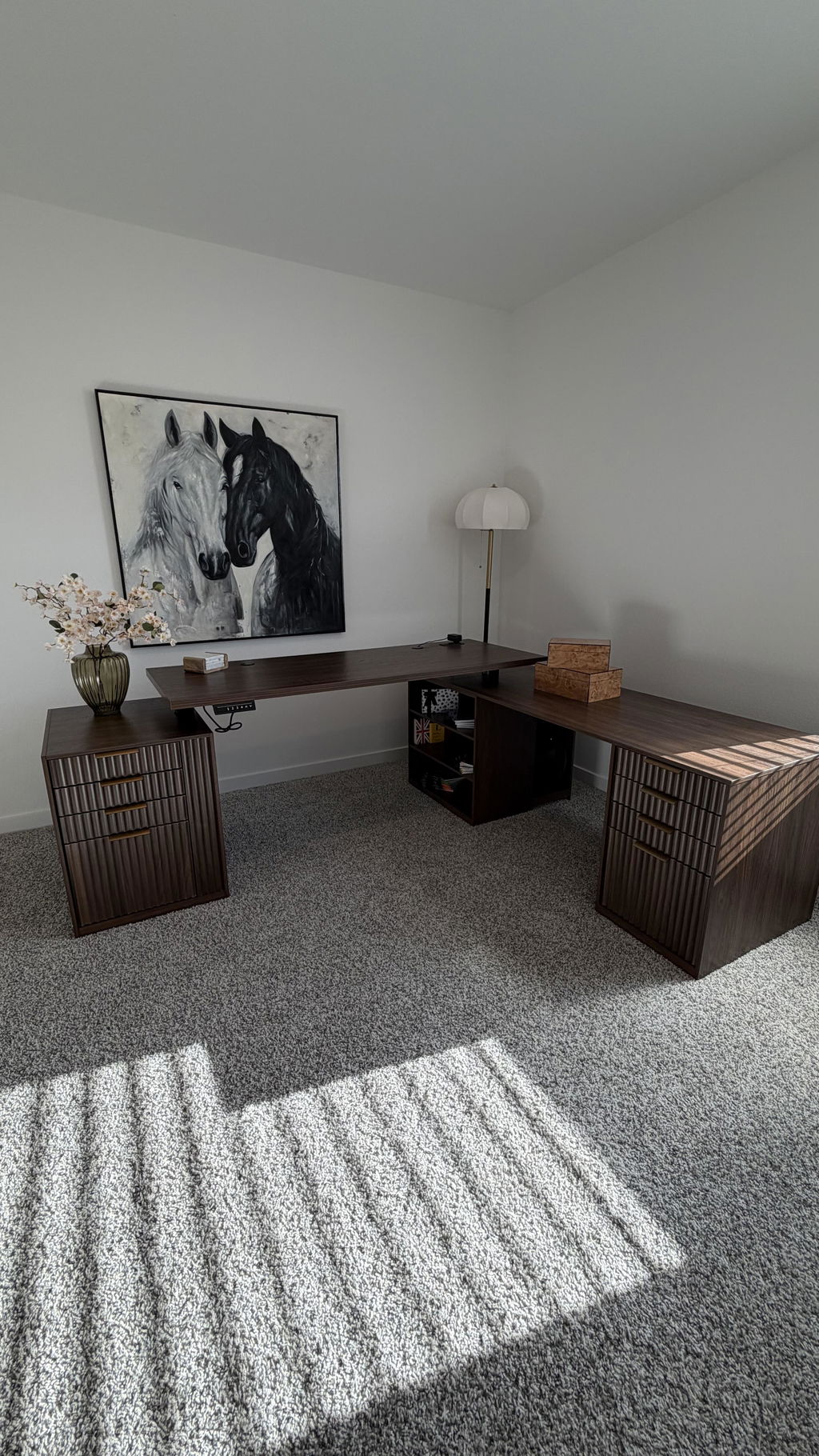
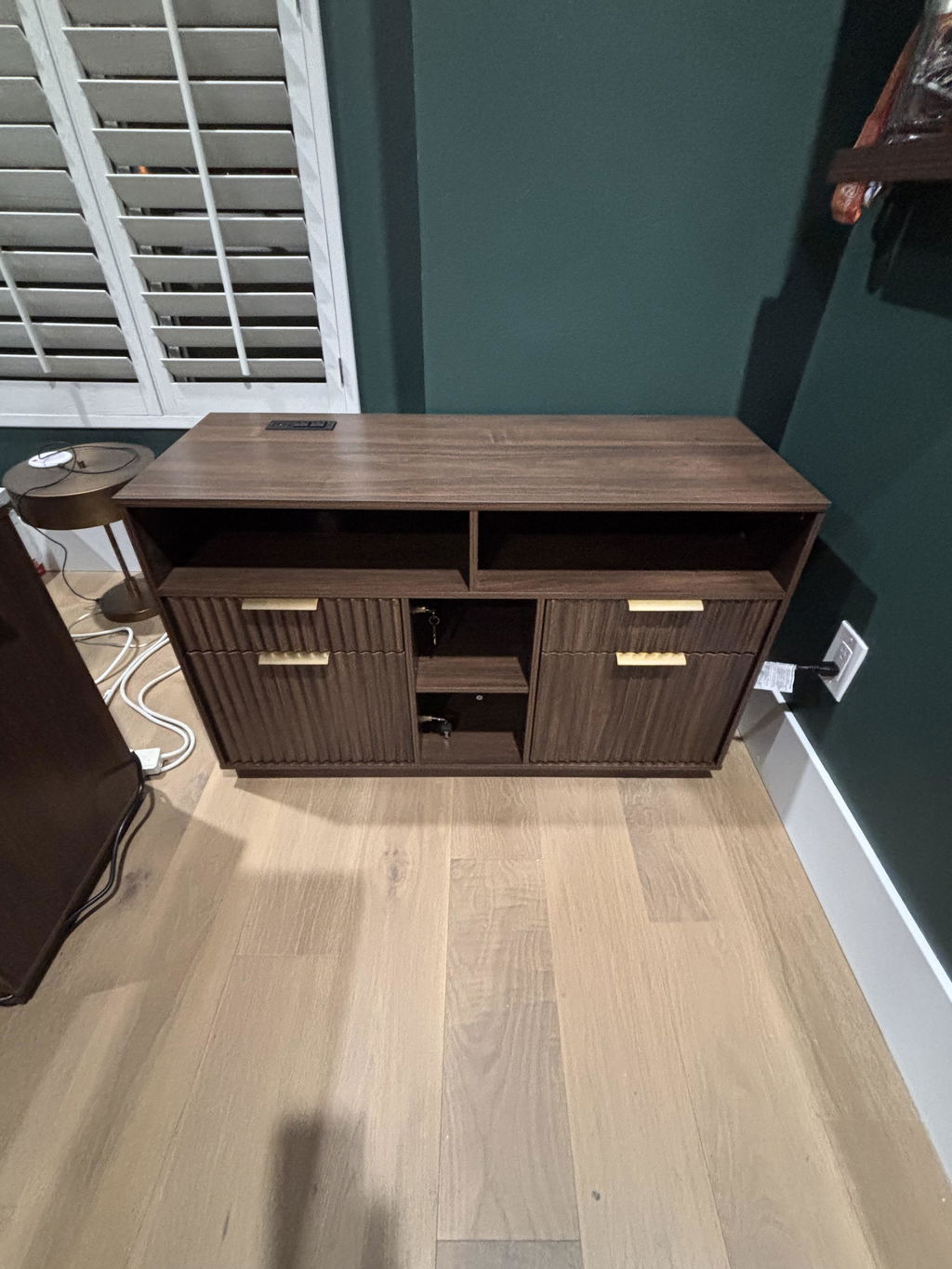
Imagine a compact home office with a standard desk and a need to keep parts and papers organized without sacrificing desk space. The Premium Ritual Cabinet, with its 2 wide top drawers, 3 right-side drawers, and a left door cabinet, can be tuned to fit a wide range of workflows:
- Top drawers (two wide):> Ideal for frequently accessed items such as writing instruments, sticky notes, notebook essentials, cables, or small stationery organizers.
- Right-side drawers (three standard):> Perfect for stacking office staples, chargers, charging cords, stamps, envelopes, or label makers.
- Left door cabinet:> A dedicated space for bulkier items—portable printers, paper reams, or a small compact toolkit—keeping them out of sight yet within easy reach.
- Under-desk clearance: The cabinet’s 26-inch height keeps it comfortably under most desks, aligning with ergonomic setup standards and leaving room for leg movement.
To maximize efficiency, you can group related items together and create a quick-access zone near your primary work surface. For instance, place a small label maker, a stapler, and a pack of notepads in the top drawers; keep chargers
and spare cables in the middle drawers; and reserve the left cabinet for bulkier operational supplies like printer paper or a compact tool kit. The goal is to minimize desk travel time and reduce interruptions during deep work. Remember to distribute weight evenly across the drawers to preserve glide quality and stability.
Beyond function, it’s important to consider placement. Position the cabinet so you can reach it from your chair without twisting. If you frequently move between a laptop station and a printer, place the cabinet on your dominant side or in a location that makes transitions seamless. The 360° wheels enable you to reposition the cabinet for collaborative sessions, standing meetings, or quick cleanups, while the brakes lock the unit securely in place during work sessions.
In terms of maintenance, a simple cleaning routine can preserve the cabinet’s finish and drawer performance. Dry-dusting the fluted facade and metal handles keeps dust from settling into crevices. For the slides, a light wipe with a dry microfiber cloth helps prevent buildup that could hamper movement. If you notice a drawer pulling slightly off-track, check the rails for debris or misalignment and adjust gently. The goal is to maintain smooth operation without requiring specialized tools or frequent servicing.
Styling, Ergonomics, and Space Harmony
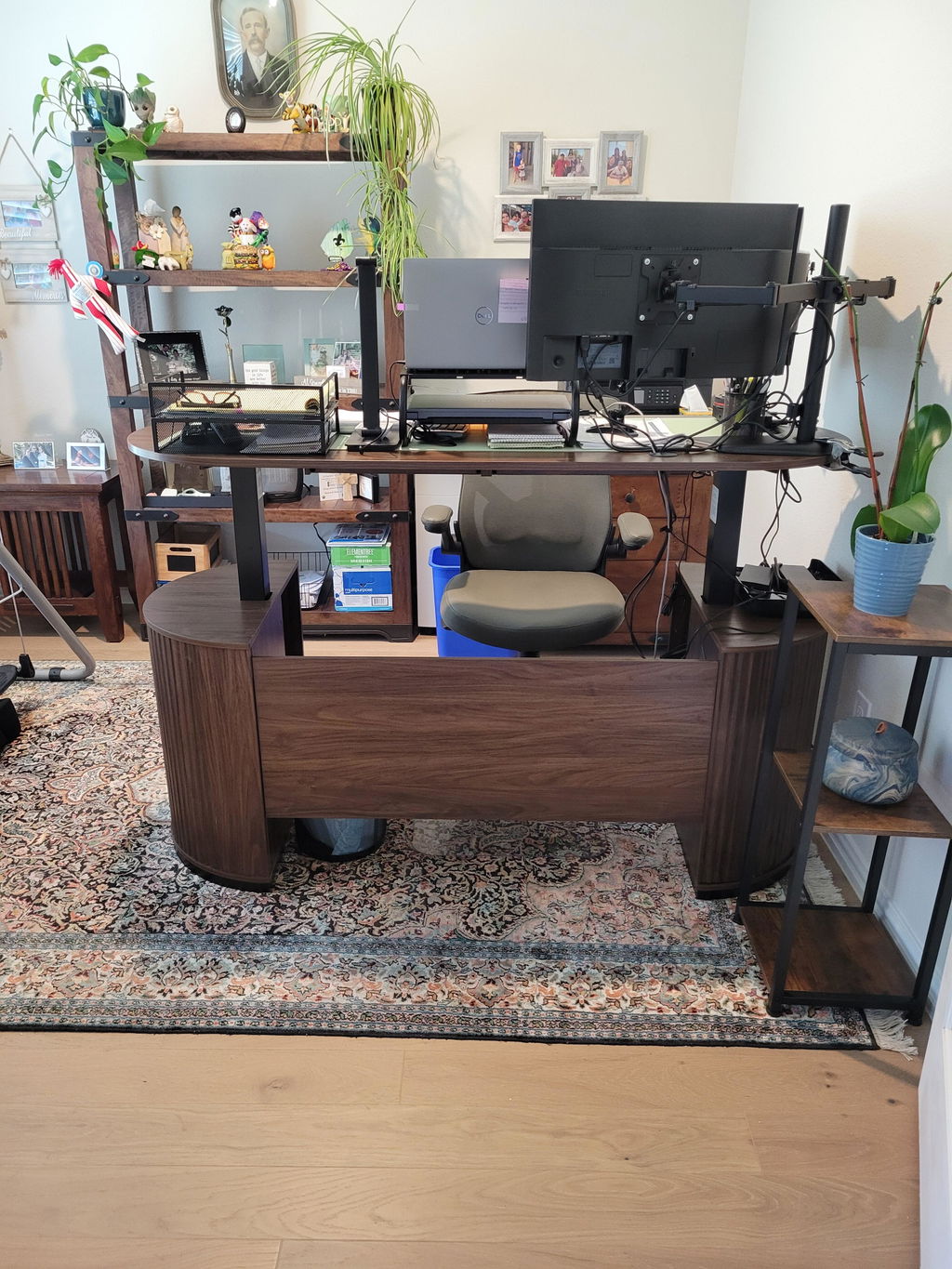
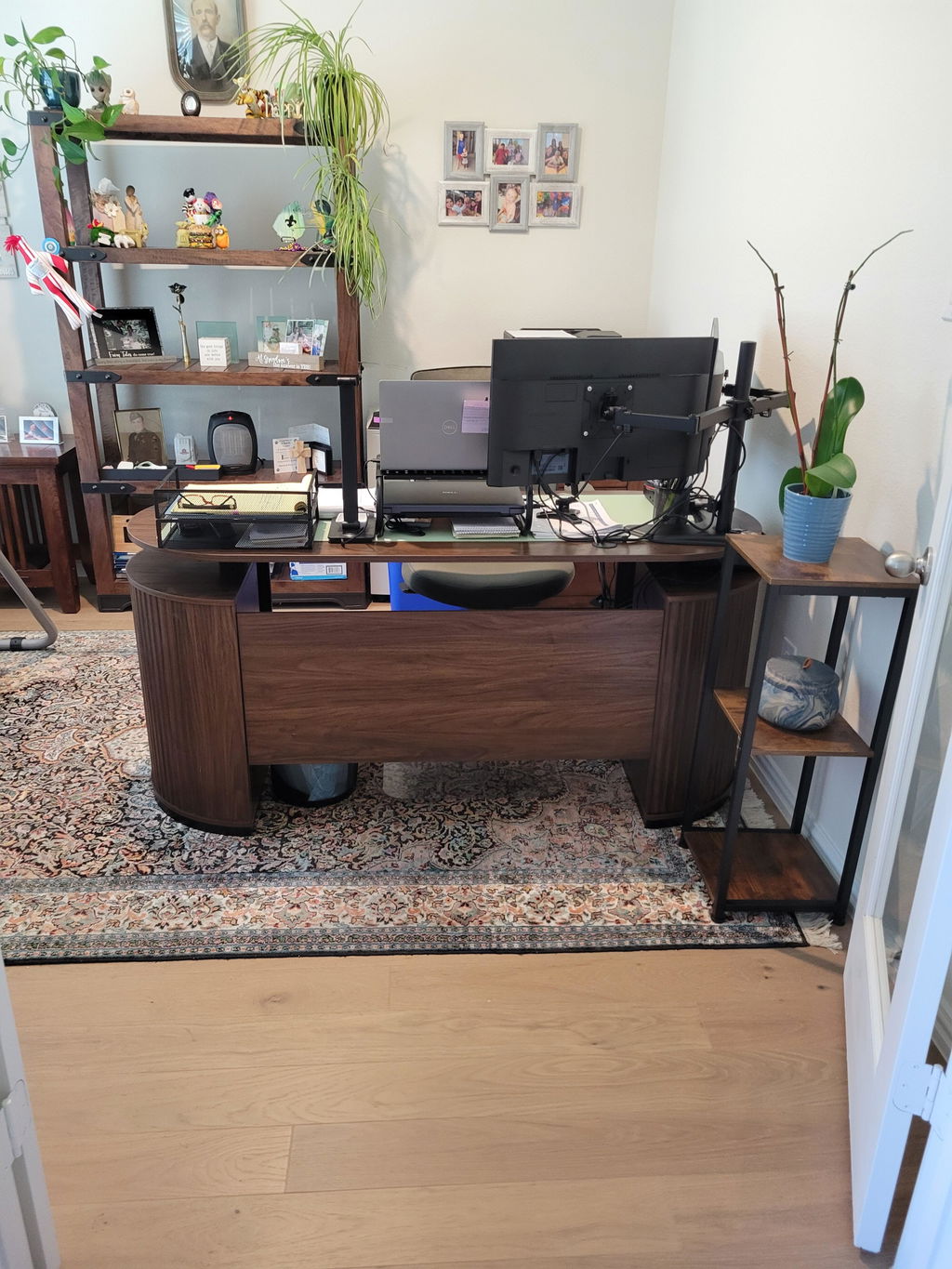
A well-chosen rolling cabinet should complement the room’s overall design language. The Premium Ritual Cabinet’s refined fluted facade and crafted metal handles offer a subtle, sophisticated texture that can coordinate with wood tones, metal accents, and soft textiles. When pairing with your desk and chair, think about balance: align the cabinet’s vertical lines with your desk’s edges, and echo the cabinet’s hardware style in other hardware elements around the room to create a cohesive feel. If your space features a light color palette, a warm wood tone can ground the room; in darker interiors, a cabinet with pronounced texture can add visual interest without overpowering the space.
Putting It All Together: Practical Layouts for Common Spaces
Whether your home office doubles as a living space or you’re setting up a dedicated workstation in a smaller apartment, the right storage can unify function and style. Here are a few layout concepts to consider, each designed to maximize efficiency while preserving room aesthetics:
- Near-desk configuration: Place the cabinet to your non-dominant side so your dominant hand remains free for writing or using the computer mouse. The top drawers hold everyday tools; the three standard drawers store electronics accessories; the left cabinet accommodates bulkier or paper goods.
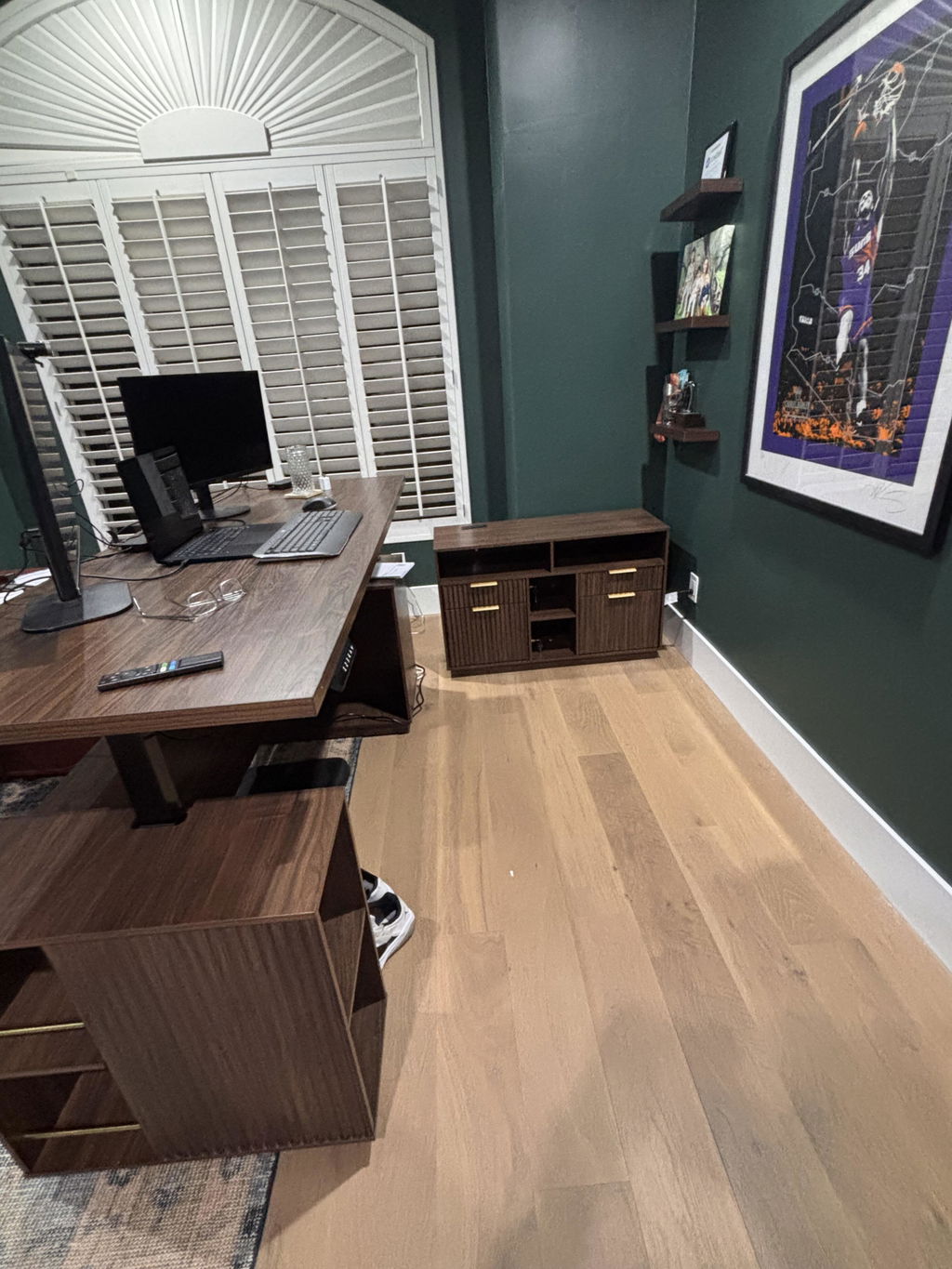
- Corner-friendly setup: Position the cabinet in a corner to minimize footprint while still offering easy pull-out access. The 26-inch height keeps sightlines open and avoids crowding the space above the desk.
- Mobile collaboration station: When colleagues visit, roll the cabinet closer to a shared table to provide a temporary supply hub, then roll it back to its quiet corner to resume deep work.
These configurations emphasize the cabinet’s adaptability and how a single piece can serve multiple roles—an extension of your desk, an on-demand supply station, and a design element that enhances the room’s texture and proportion.
Conclusion: Turning Clutter into Clarity with Flexible Storage
In small spaces, the difference between a cluttered desk and an efficient workspace often comes down to thoughtful storage. A rolling cabinet with a clearly defined layout can cut down on desk-time searches, protect sensitive materials, and keep essential tools within arm’s reach. The Premium Ritual Cabinet offers a well-balanced combination of form and function: sturdy wooden construction, a refined fluted facade, quiet drawer slides, and flexible mobility. It can serve as a reliable backbone for a home office that needs to scale across different tasks and living arrangements. By focusing on layout, accessibility, and maintenance, you’ll create a workspace that supports productivity, reduces stress, and reflects a thoughtful approach to design. Explore how this cabinet can fit your room’s dimensions and workflow, and you’ll discover that good storage is not just about organization—it’s about enabling focus and clarity every workday.


Share:
Maximizing Small Home Offices With a 70-Inch Desk, Corner Bookshelf, and Charging Cabinet: A Practical Setup Guide
How to Select and Use a TS3 Triple Monitor Mount for a Streamlined 3-Screen Workspace