



Transform Your Workday with an Electric Standing Desk
Upgrading to an electric standing desk can be a meaningful shift for your health, focus, and daily rhythm. Height-adjustable desks enable you to alternate between sitting and standing, reduce static postures, and position your monitor, keyboard, and accessories for a more natural line of sight and reach. In this guide, we unpack how to evaluate an electric standing desk for ergonomics, stability, and long-term value, and we offer a practical example to illustrate what strong build quality and thoughtful design look like in real use.
What makes an electric standing desk ergonomic?
The cornerstone of ergonomic design is the alignment of your head, neck, shoulders, arms, and wrists with your workspace while maintaining a comfortable stance. A good electric desk supports smooth transitions between heights, holds your chosen position steadily, and integrates features that reduce strain and promote proper posture. Ergonomics is not just about the desk surface; it also includes how you arrange your keyboard, chair, monitor, and accessories so your body remains in a balanced state throughout the workday.
Key ergonomic considerations include the following: an appropriate height range that accommodates both sitting and standing postures; a spacious and well-positioned keyboard tray to align wrists and forearms; a monitor setup that keeps the top third of the screen at or below eye level; and a cable-management system that reduces clutter and preventing accidental tugs on cables while moving the desk up or down.
What to look for when selecting an electric standing desk
- Stability and build quality: The desk frame should feel solid with minimal wobble at the highest height. A frame built from automotive-grade steel, like SPCC cold-rolled steel, typically offers durable support and long-term reliability. Review warranty information and real-world tests such as lift-cycle counts to gauge longevity under full load.
- Lift mechanism and noise level: A quiet, smooth lifting system makes transitions between heights unobtrusive. Consider how fast the desk moves and whether the mechanism maintains position securely without drifting when you type or adjust the tray.
- Height range and presets: Look for a height span that accommodates your body dimensions and chair height, with programmable presets for quick changes throughout the day.
- Desktop and keyboard tray dimensions: The width and depth of the surface determine how much room you have for peripherals. A large keyboard tray, like the 26.7" x 11.8" tray on some models, provides workspace for a full-size keyboard, mouse, and additional accessories while maintaining comfortable reach.
- Cable management: An integrated cable management system keeps cords organized and out of the way, reducing clutter, tripping hazards, and interference with the desk’s movement.
Planning your space for sitting and standing
Creating a healthy dual-posture workspace starts with proper alignment. Position your monitor so the top of the screen is at or slightly below eye level, about an arm's length away, to minimize neck strain. Your chair height should allow your feet to rest flat on the floor or on a footrest, with your knees at roughly a 90-degree angle. When you stand, keep your weight balanced and avoid locking your knees; consider an anti-fatigue mat for comfort during longer standing periods. The desk’s keyboard tray should place your wrists in a neutral position, with forearms parallel to the floor and shoulders relaxed.
Measure your space before purchasing to ensure the footprint, leg clearance, and cable path fit your room and electrical outlets. If you share a workspace, think about how other devices and furniture align with the desk’s travel range so you can move freely without obstruction.
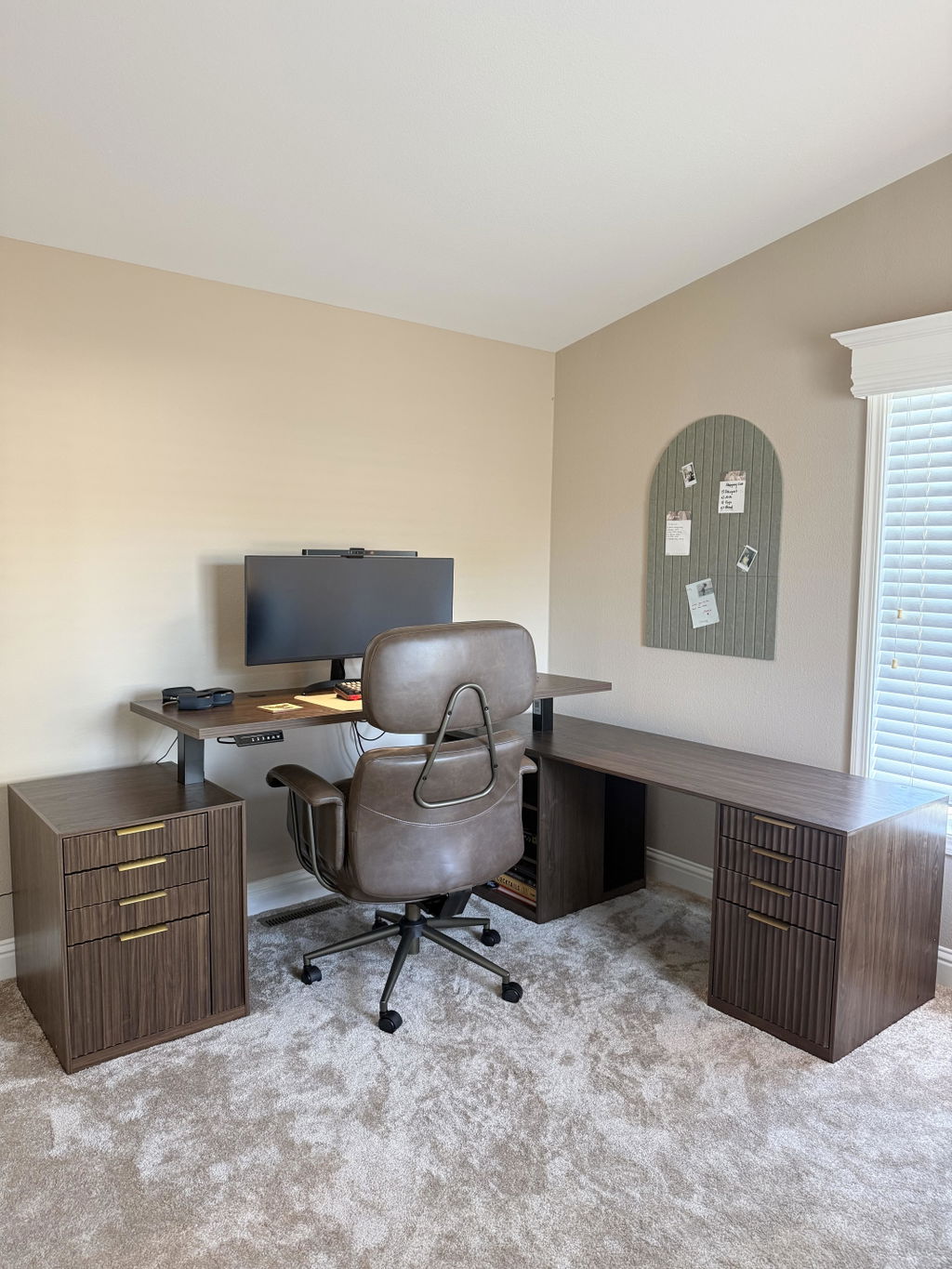
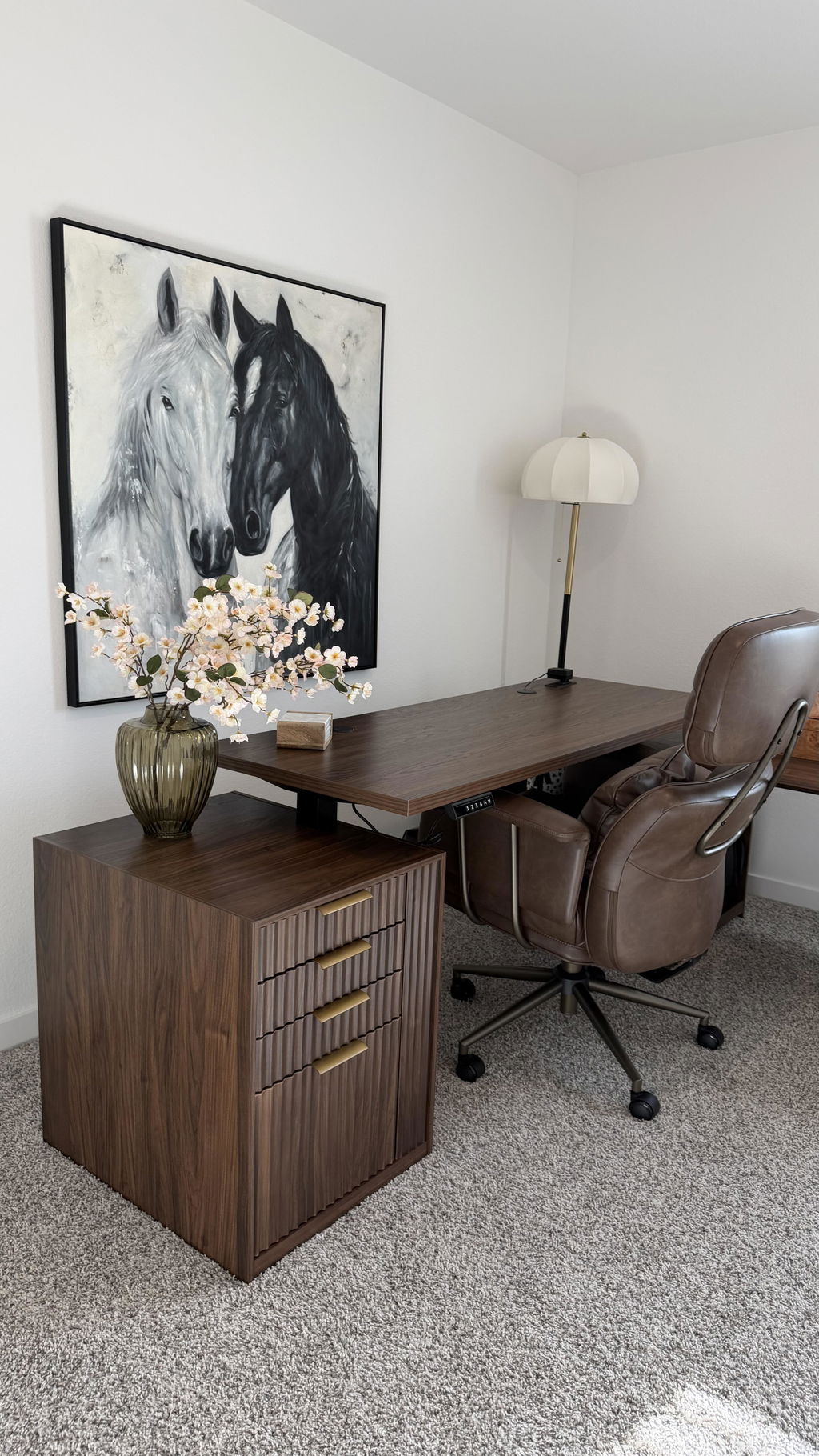
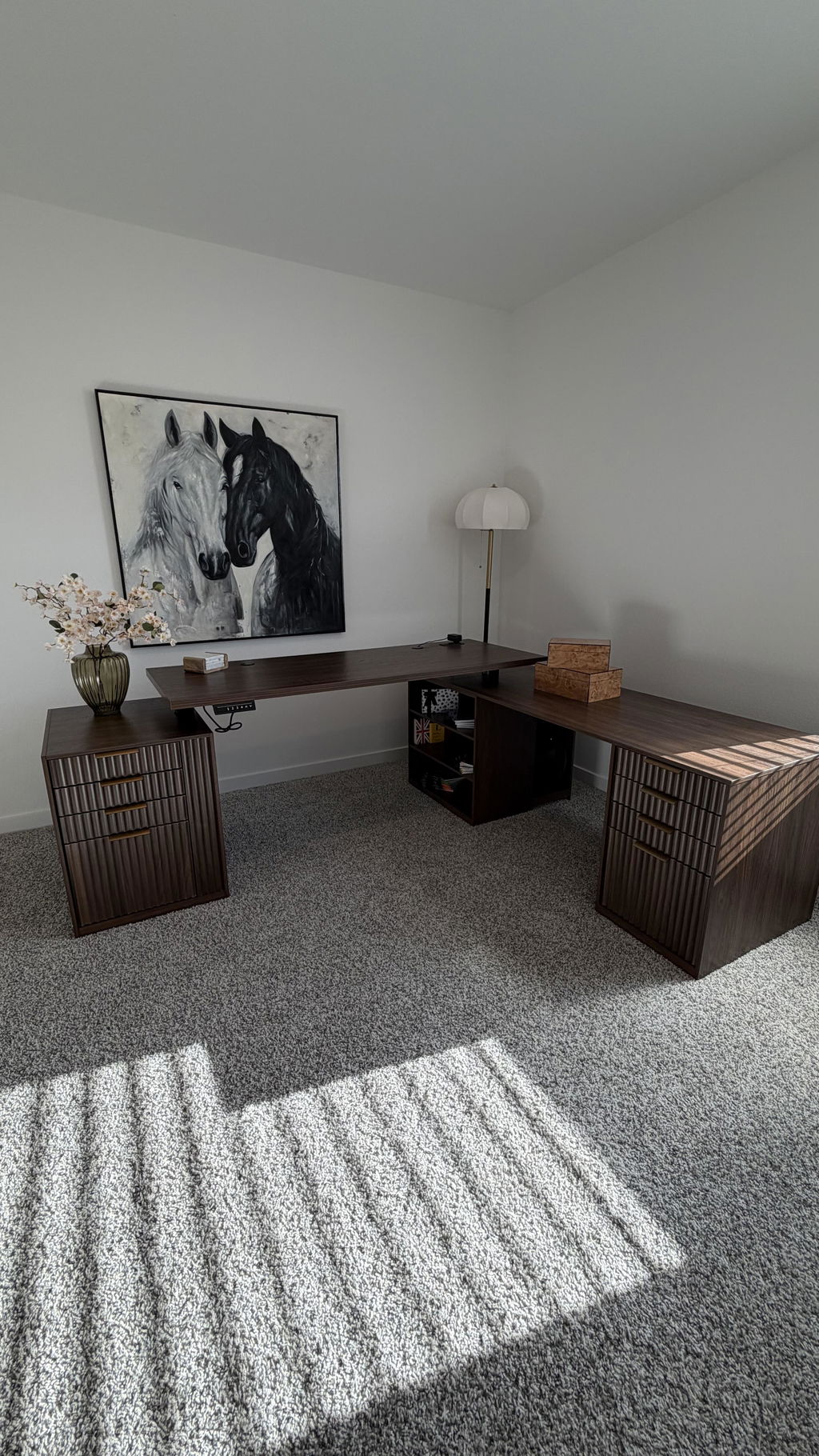
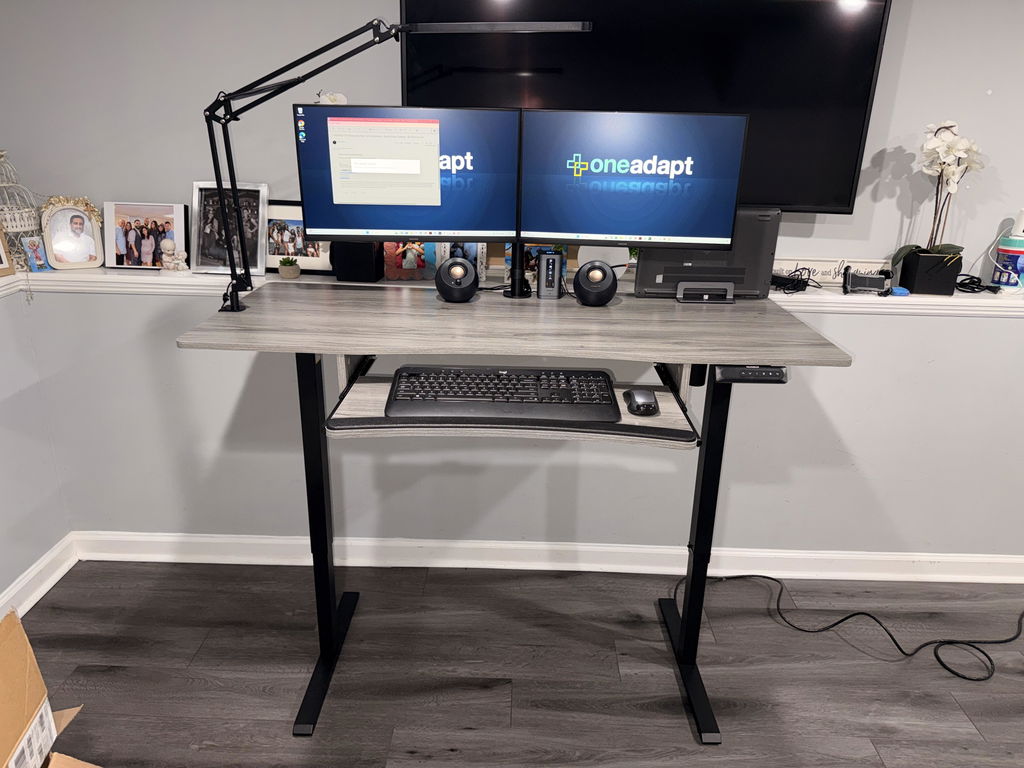
A close look at the Summer Gift Electric Standing Desk 2
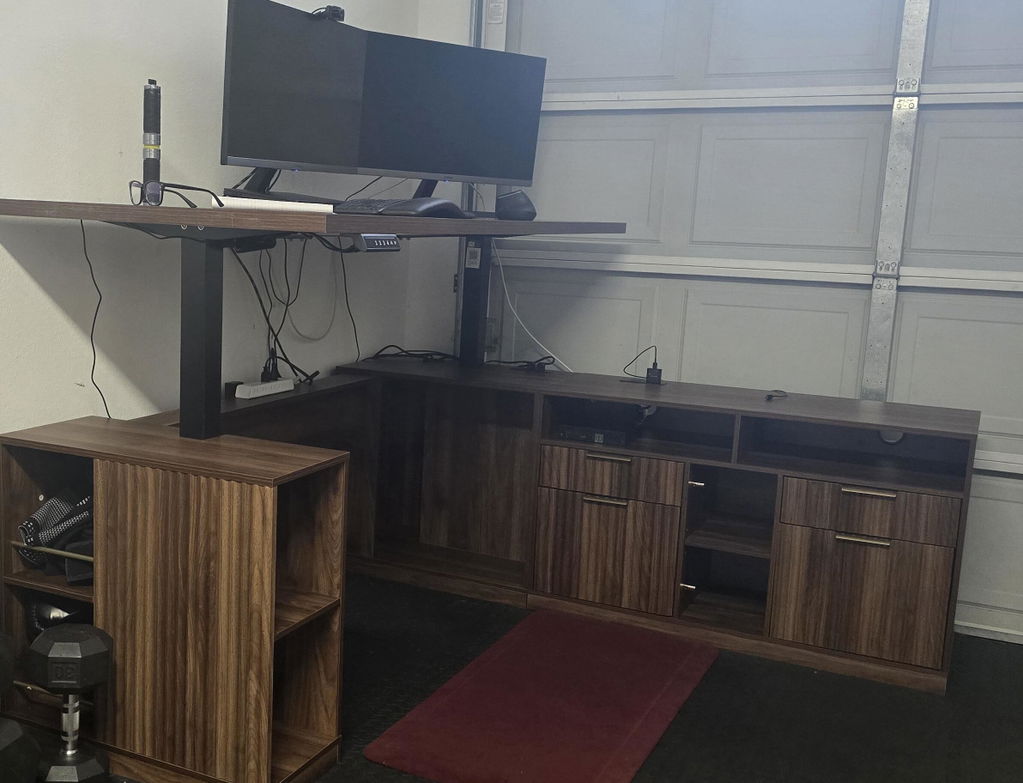
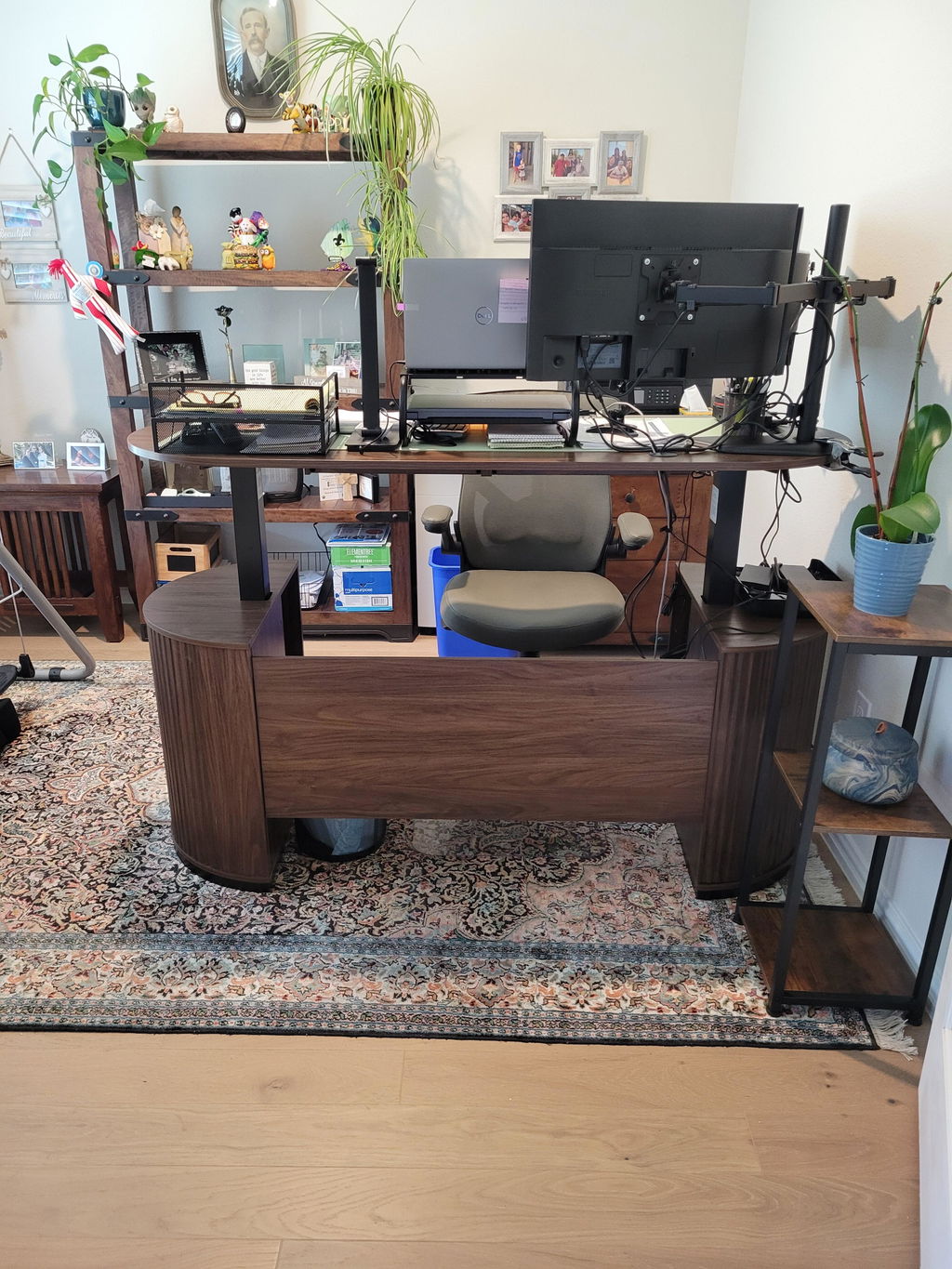
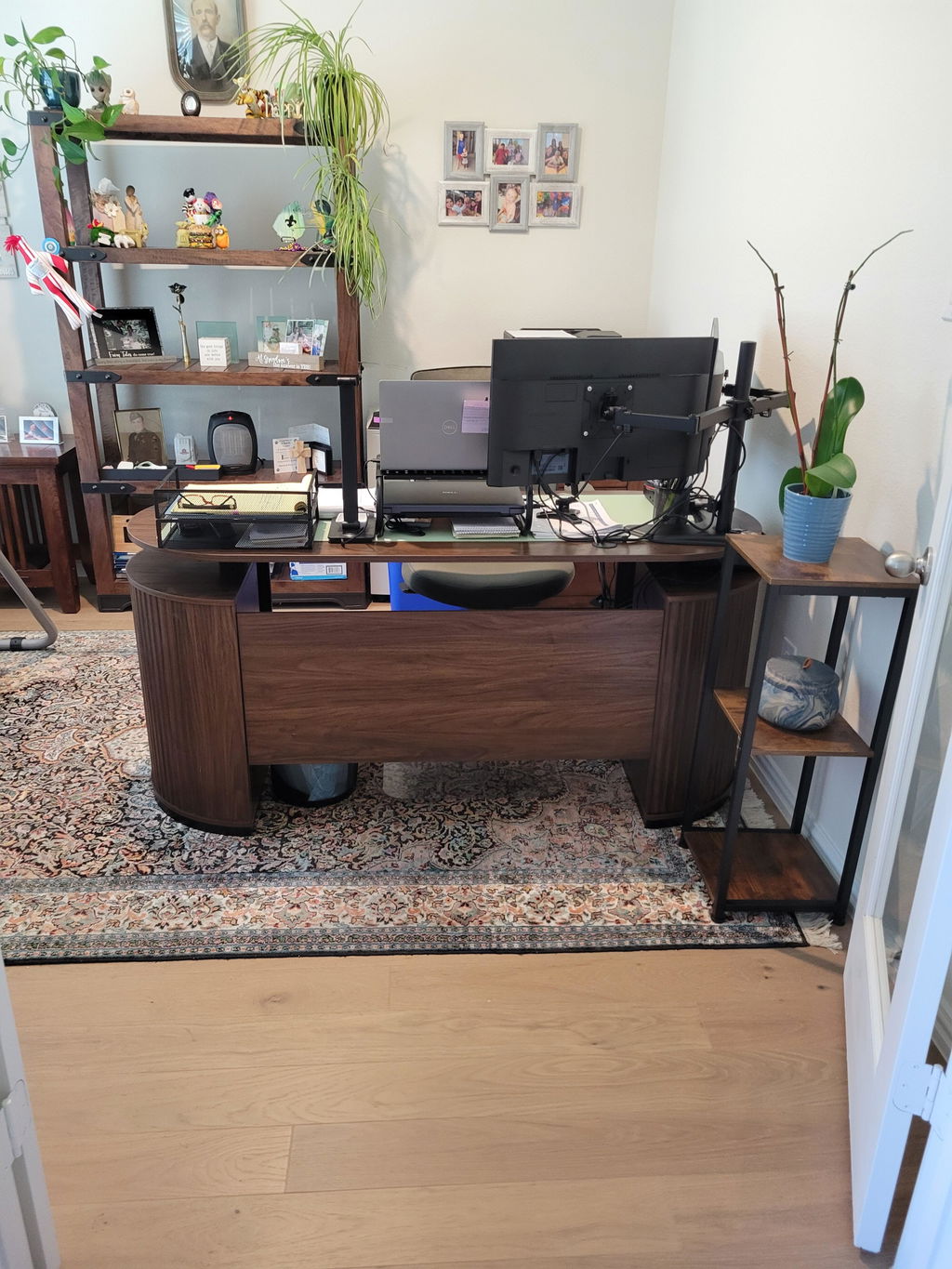
The Summer Gift Electric Standing Desk 2 showcases several design choices that support both ergonomics and durability. Its frame emphasizes strength, built from automotive-grade SPCC cold-rolled steel, and it’s tested for more than 50,000 lift cycles under full load, indicating resilience for everyday and long-term use. The desk offers four customizable height settings, making it adaptable for different users or tasks with quick, reliable height changes. A large 26.7" x 11.8" keyboard tray provides ample room for a full-size keyboard and mouse, with sculpted edges for comfort during long sessions. The tray uses premium bearings and a locking mechanism, delivering smooth movement and secure positioning, with a 22 lb load capacity to keep everything stable as you type.
Beyond the core lifting system, the design includes a full cable management solution to maintain organization and safety. The combination of performance and thoughtful ergonomics aligns with a workspace that prioritizes posture, reach, and overall workflow efficiency. While every setup is unique, this desk model demonstrates how strong materials, measured height options, and well-considered peripherals can collectively reduce fatigue and support healthier days of work.
Practical tips for setup, use, and maintenance
- Regularly check anchor points and the locking mechanism on the keyboard tray to ensure it remains secure and stable as you adjust height.
- Keep cables organized with dedicated slots and a central holder or power-strip path so the travel of the desk never tugs on a loose cord.
- Clean the desk surface with a mild cleaner and inspect the lift mechanism periodically for unusual noises or resistance; address any concerns promptly to preserve longevity.
- Use a sit-stand schedule that fits your rhythm, such as alternating every 30–60 minutes, and pair it with micro-breaks to improve circulation and focus.
- Invest in an ergonomic monitor arm or a mounting system that aligns the screen height with your eye line at both standing and sitting heights.
Maintenance, safety, and longevity
To maximize the desk’s life, follow the manufacturer’s assembly and weight guidelines, avoid overloading the tray beyond its stated capacity, and keep the surface free from excessive moisture and debris that could interfere with the moving parts. If you notice any wobble, re-check the floor mounting or the feet, and ensure the desk is on a flat surface. Periodic lubrication of moving joints and a clean cable path can also contribute to quiet, reliable operation over years of use.
Putting it all together: is this desk right for you?
Choosing the right electric standing desk comes down to how well it fits your body, space, and work style. If you need a robust frame, a roomy keyboard tray, a quiet lift mechanism, and a thoughtful cable-management system, you’ll benefit from a model designed for durability and ergonomic versatility. Consider your height range, how often you transition between postures, and whether you will share or reconfigure the space with other equipment. A desk that offers strong stability, easy height adjustment, and a sizeable tray can become a central, reliable tool for daily productivity and well-being.


Share:
How to Choose a Printer Stand with Cable Management and Storage Drawer for a Tidy Home Office
How to Choose a 59-Inch Premium Henge Standing Desk for an Ergonomic Home Office