



Why a High-Quality Dual Monitor Arm Improves Your Workday
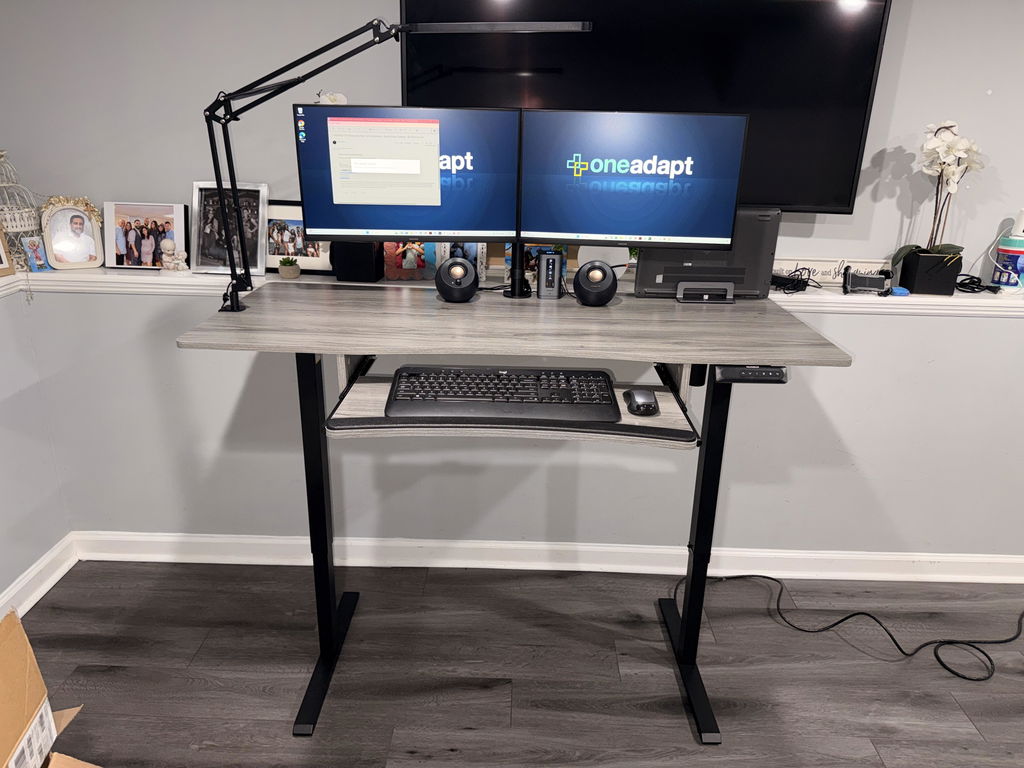
In today’s knowledge-based tasks, many people rely on two screens to keep information visible without constant window switching. A high-quality dual monitor arm does more than hold your displays; it becomes a core part of your ergonomic workflow. Properly positioned monitors reduce neck and back strain, improve posture, and make it easier to switch between tasks, reference materials, and real-time data. When selecting a dual-monitor arm, you should consider weight capacity, reach, range of motion, ease of installation, and how the mount integrates with your desk and chair. The DS7 High-Performance Dual Monitor Arm is a compelling reference point because it brings together robust engineering, full adjustability, and straightforward setup for a broad range of 13" to 40" screens, each up to 26.4 lbs.
Key Features to Seek in a Dual Monitor Arm
The ideal dual monitor arm is defined by a combination of strength, flexibility, and user-friendly design. Here are the core features to evaluate when you’re comparing mounts:
- Weight Capacity per Arm: Look for arms that can safely hold the full weight of each monitor. Overloading can sag joints or stress gas springs and reduce long-term reliability.
- Screen Size Compatibility: Ensure the mount accommodates your monitor range, such as 13" to 40" displays, and supports the VESA patterns used by your screens.
- Adjustability: A good dual-arm setup offers +85° to -30° tilt, 180° swivel, and 360° rotation for landscape or portrait orientation, along with horizontal and vertical reach to place screens at eye level.
- Height and Elevation: Consider how high the screens can rise. Elevation that reaches eye level reduces neck strain and enables comfortable transitions between sitting and standing work.
- Mounting Method: C-clamp and grommet options provide flexible installation, especially on desks with edge clearance or integrated desk holes.
- Durability and Longevity: Gas springs or other adjustment mechanisms should be tested for long-term reliability. High-cycle testing (e.g., thousands of movements) is a strong indicator of durability.
- Ease of Installation: A mounting system that installs quickly with minimal tools reduces setup friction and encourages consistent use.
- Cable Management: Efficient routing keeps cables organized and reduces wear on ports.
Understanding Your Workspace: What to Measure Before You Buy
Before selecting a dual monitor arm, take stock of your desk, chair, and typical working posture. Note the depth of your desk, the edge thickness, the available space for a clamp or grommet, and whether you often switch between sitting and standing. The DS7 architecture highlights several practical considerations that apply to most high-performance arms:
- Desk Depth and Edge Access: To clamp securely, you need enough edge clearance. If your desk edge is recessed or unusually shaped, confirm you can position the clamp without obstructing leg room or drawers.
- Desk Thickness and Stability: A sturdy mounting surface prevents wobble when you adjust screens or lean into the task.
- Monitor Weight Distribution: If you pair two heavier monitors, verify that each arm’s gas springs can support their combined weight, including any added cables or adapters.
Screen Compatibility and Weight Limits
Most modern dual-monitor arms, including models like the DS7, support large monitor ranges (often 13" to 40") and up to substantial per-arm weights. When planning your setup, verify:
- Per-arm weight capacity matches or exceeds the weight of each monitor
- VESA compatibility (commonly 75×75 mm and 100×100 mm)
- Maximum reach and height adjustments align with your seating position
Adjustability and Range of Motion
Flat screens or curved panels benefit from a broad range of motion. A versatile arm will offer tilt, swivel, and rotation that enable you to:
- Fine-tune screen tilt to reduce glare from overhead lighting
- Rotate between landscape for wide spreadsheets and portrait for tall documents
- Share a screen with a colleague by shifting positions without removing cables
Mounting Options and Desk Fit
Desks vary widely in thickness, edge design, and available mounting surfaces. A robust dual monitor arm should offer:
- C-clamp installation: Quick mounting to the desk edge, ideal for desks with sufficient edge clearance.
- Grommet mounting: A more permanent solution that passes through the desk for superior stability on compatible work surfaces.
Designing Your Setup: Ergonomic Orientation and Cable Hygiene
Ergonomics is about alignment and reduce strain across your neck, shoulders, and back. When you position two monitors, aim for the following:
- Converge the primary monitor to the strongest typing and pointing angle, with the secondary monitor slightly angled toward your primary line of sight.
- Place screens at or just below eye level, so you do not tilt your head excessively back or forward.
- Keep the center of each screen about 2–4 inches apart to minimize head rotation when you switch tasks.
- Align keyboard and mouse at a natural height so your wrists rest in a neutral position when using both monitors.
- Arrange cables to avoid tension on the mounts and to prevent accidental yanking if you adjust the arms.
Step-by-Step Guide: From Unboxing to an Optimized Setup
- Assess your work tasks to determine how you’ll use both screens (data-dense spreadsheets vs creative design vs coding).
- Decide which monitor is primary and how you’ll align it with your line of sight.
- Choose a mounting method that matches your desk (C-clamp for quick setups; grommet for a factory-grade fit).
- Install the arms according to manufacturer instructions, ensuring the base is secure and the clamps are tightened evenly.
- Mount your monitors and connect cables, verifying weight balance and range of motion before final adjustments.
- Adjust tilt, swivel, and rotation to minimize glare and optimize legible text and images across both screens.
- Test your posture in a typical work session and refine positioning as needed.
As you fine-tune your setup, remember that the goal is to maintain a neutral spine, relaxed shoulders, and minimal head turning while working across both displays.
Maintenance and longevity matter for a setup you rely on daily. Periodically check tightening screws, inspect gas springs for any signs of fatigue, and clean dust from mechanical joints to preserve smooth movement. Regular adjustments can also help you discover micro-improvements in comfort and efficiency that accumulate across a long workday.
Here is what matters.
With the right dual-monitor arm in place, you can reimagine your workspace for sustained productivity, better posture, and easier collaboration. Whether you are coding, designing, analyzing data, or coordinating multiple projects, a sturdy, adaptable mount makes it possible to maintain focus and comfort throughout the day.
Conclusion: Invest in a Durable, Flexible Mount for Long-Term Benefits
Choosing a dual-monitor arm is an investment in your daily comfort and efficiency. The DS7 High-Performance Dual Monitor Arm serves as a reference point for what a durable, flexible solution should offer in real-world use: strong weight support, a broad range of motion, easy installation, and robust construction designed for long-term reliability. When you select a mount that aligns with your screens, desk, and work style, you’ll notice less strain, fewer interruptions, and more consistent productivity over time.


Share:
Choosing the Right Monitor Mount for Ergonomic Comfort: A Practical Guide Featuring the SS6 Essential Single Monitor Mount
Maximize Comfort and Productivity: Building an Ergonomic Desk with a Footrest and Dual Monitor Setup