



Why an Ergonomic Desk Setup Pays for Itself
Long hours at a computer take a toll on the body. A thoughtfully designed workspace can reduce fatigue, prevent pain, and boost focus.
In this guide we explore how an ergonomic approach—anchored by a sturdy monitor mount and a dedicated footrest—can transform your daily routine. Whether you work from home or in an office, the right setup pays off in both comfort and productivity.
Foundational elements of comfort
First, ensure your chair supports the natural curve of your spine and allows your feet to rest flat on a surface. The desk height should put your forearms parallel to the floor when typing, with wrists in a neutral position.
A footrest helps bridge the gap between chair height and leg length, reducing pressure at the hips and lower back and promoting blood circulation. The benefit is subtle but cumulative: more energy at the end of the day and fewer aches in the morning.
- Proper chair with lumbar support and adjustable headrest
- Keyboard and mouse positioned to keep elbows close to body
- Feet supported without strain; hips open at a comfortable angle
The power of a height-adjustable monitor mount
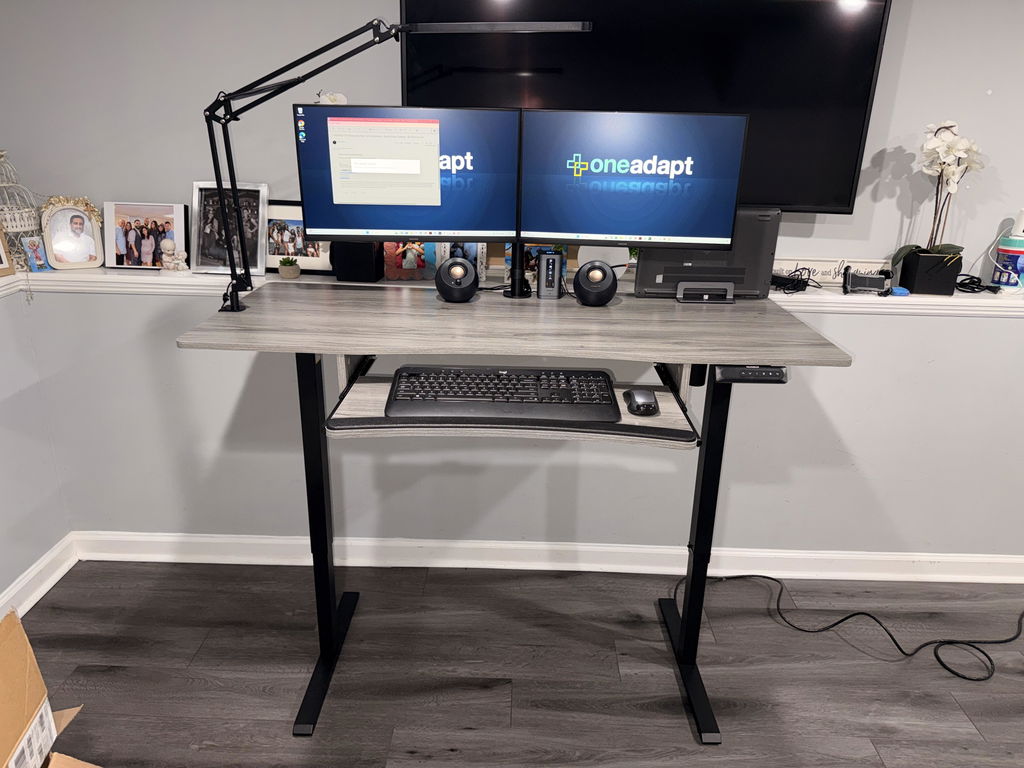
A monitor mount is more than a place to hang screens. It provides micro-adjustments for tilt, swivel, and height, so your eyes align with the tops of the screens without craning or bending your neck. A dual monitor setup can significantly improve workflow when both screens are at eye level and the distance is optimized. When configured correctly, you reduce neck and shoulder strain and keep your posture steady during long sessions.
Key features to consider include:
- Compatibility: Look for VESA mounting patterns such as 75x75 mm or 100x100 mm to fit a broad range of displays.
- Weight capacity: Ensure the arm can support the size and weight of your monitors (typical ranges for 30" displays are within 22 lbs per arm as a practical upper limit).
- Reach and adjustment: A flexible arm that can extend and retract helps you create a comfortable viewing distance and desk clearances.
Pairing a robust monitor mount with a stable desk frame supports long-term usability. A high-quality stand reduces the need to hunch forward or twist to see both screens, allowing you to alternate between tasks without losing your posture.
Choosing the right footrest and peripherals
The footrest is a simple tool with outsized impact. A good footrest elevates your feet to a position where your legs are gently supported, which can lighten pressure points, improve blood flow, and stabilize your hips.
Over an eight-hour workday, that steady base makes a difference—from fewer fidgeting breaks to deeper focus during complex tasks. The right footrest adapts to your seating height and provides enough surface area to relax your ankles, not just your feet.
In addition to a footrest, the overall system benefits from a durable monitor arm and an ergonomic chair with versatile features. The chair features like reclining function, headrest, and armrest height adjustability complement the desk setup by enabling you to align your spine and neck without sacrificing comfort. When you combine a well-designed seat, a stable footrest, and an adjustable monitor mount, you create a workspace that can support productive work sessions and healthier posture across the day.
How to configure your workspace: a practical checklist
- Measure your chair height and seat depth to determine the correct desk and monitor positions. The general goal is to have your forearms parallel to the floor with elbows at about 90 degrees when typing.
- Position your primary monitor so that the top edge sits at or slightly below eye level. If you’re using a dual monitor setup, align the screens so they are comfortably within your central field of view, with little need to turn your head excessively.
- Adjust the monitor arms for a slight downward tilt if screens sit higher than eye level; this reduces glare and keeps your neck muscles relaxed.
- Use a footrest to support your feet and legs. Adjust its height so your feet rest flat while your knees remain at roughly a 90-degree angle.
- Configure your chair: ensure lumbar support is engaged, set the seat height so your thighs are supported, and adjust the armrests to align with your desk and keyboard so your shoulders stay relaxed.
- Test for comfort in short blocks: work for 20–30 minutes and then evaluate whether you feel any strain in your neck, shoulders, back, or legs. Fine-tune as needed.
Experimenting with the configuration is part of the process. Your goal is a posture that you can maintain with minimal effort for several hours at a time.
In many setups, a monitor mount is the anchor that keeps the screens at a comfortable height while freeing up desk space for a footrest and other essentials. The collaboration between these components supports a healthier distribution of weight and reduces the tendency to slump forward when attention is focused on the screen.
Here is what matters most when you upgrade your workspace:
- Stability and build quality of the monitor mount and desk frame
- Appropriate weight capacity and reach for your monitors
- Availability of micro-adjustments for height, tilt, and rotation
- Ease of installation and compatibility with your desk and wall space
These factors directly influence how sustained your comfort can be during an ordinary workday, and they are often more important than the initial cost of equipment.
Note: The placeholder is intended to be replaced with a dynamic product card that highlights price, features, and a direct link to purchase. The card is designed to communicate value without pressuring the reader, and it serves as a practical reference point as you weigh your options.
Maintaining ergonomic discipline
Even with a well-designed setup, the human body benefits from periodic movement. Consider short movement breaks every 30–60 minutes, stand-up stretches, and occasional walks around the office. If you have the option to alternate between sitting and standing, you can further reduce fatigue and maintain alertness. An ergonomic day isn’t only about the right equipment; it’s also about mindful habits that support your body over time.
Establish a routine that reminds you to adjust your posture, take micro-breaks, and check in with your neck and shoulders. Over weeks and months, these small adjustments accumulate into more sustainable, pain-free workdays.
Conclusion: investing in comfort pays dividends
A well-considered workspace is an investment in yourself. The combination of a sturdy dual-monitor mount and a supportive footrest helps align your posture, reduce tension, and improve focus. It’s not just about avoiding discomfort; it’s about enabling longer, more productive work sessions with less fatigue. As you experiment with height, reach, and support, you’ll discover a configuration that feels natural to you and supports your unique workflow. Whether you’re coding, designing, or analyzing, an ergonomic setup makes the difference between a transient good day and a consistently efficient one.


Share:
Designing an Ergonomic Dual-Monitor Workspace with the DS7 High-Performance Dual Monitor Arm
Designing a Sit-Stand Powerhouse: How the 70" Premium Opal Standing Desk Redefines a Modern Workspace